You may be reading this because a doctor mentioned the thymus gland after a chest scan, before surgery, or during a discussion about muscle weakness, immunity, or cancer treatment. For many people, that's the first time they've ever heard the word.
That reaction is completely understandable. The thymus gland doesn't get the attention that the heart, lungs, or liver do, but it plays a quiet and important role in how your body learns to defend itself. And while it's often taught as a childhood organ, newer research has pushed clinicians to think more carefully about what thymus health may still mean in adulthood.
The Thymus Gland Explained
The thymus gland is a small organ in the upper chest, behind the breastbone and in front of the heart. It sits in the same general neighborhood as the lungs and airways, which is one reason it sometimes shows up on imaging done for other reasons, such as a chest CT. If you've ever needed a better picture of how the lung's tiny air sacs work, this overview of the alveoli and gas exchange helps show how closely packed the structures of the chest really are.
The thymus is typically not felt working. You can't palpate it like a sore muscle, and in normal health it doesn't call attention to itself. But biologically, it helps shape one of the most important systems in your body: your immune system.
A useful way to think about it is this. The thymus gland is not your immune system's front-line battlefield. It's more like a command school. It helps prepare certain immune cells so they can recognize threats and respond appropriately without attacking your own tissues.
The thymus matters because immune protection isn't only about fighting germs. It's also about learning restraint.
That balance is the key idea. A healthy immune system has to do two jobs at once. It must respond to infections and abnormal cells, and it must avoid turning against the body it's supposed to protect.
For years, many people learned a simplified version of the story: the thymus is important in childhood, then fades into the background. That's still partly true. But it's not the whole story anymore. Recent adult research has raised an important question for patients and clinicians alike. Even after the thymus shrinks, could its remaining health still reflect something meaningful about resilience, recovery, and long-term health?
Your Immune System's Training Academy
The thymus gland earns its reputation because it helps mature T-lymphocytes, often called T-cells. These are white blood cells that play a central role in immune defense.
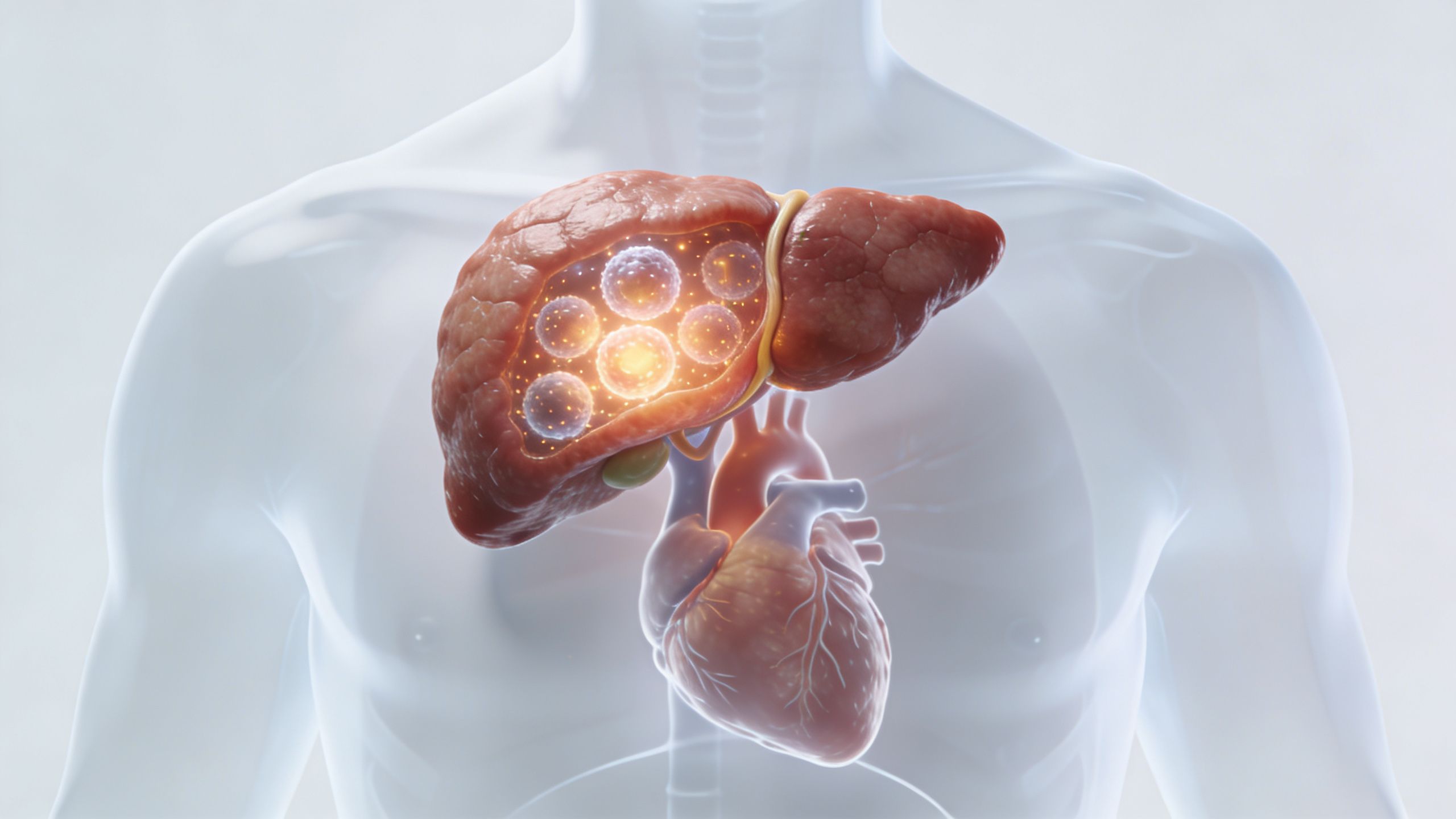
Where the thymus sits and what it does
The thymus sits behind the sternum in the front part of the chest. In children, it is relatively large and active. According to Cleveland Clinic's overview of the thymus, it is a primary lymphoid organ that is largest during childhood, helps mature T-cells, and then gradually shrinks after puberty with fibrofatty replacement and reduced immune function. The same source notes that by puberty, your thymus has produced most of the T-cells you'll need for life.
That sentence can be confusing, so let's translate it into plain language. The thymus gland doesn't just make immune cells. It helps train them.
Why people call it immune boot camp
A “boot camp” analogy works well here.
Immature cells begin their journey elsewhere, but inside the thymus they go through a kind of screening process. The body is deciding which cells are safe and useful enough to keep. Some cells learn to recognize dangerous targets. Others are removed because they react too strongly to the body's own tissues.
It's like a school with two graduation requirements:
- Recognize the problem: A T-cell needs to respond when something harmful appears.
- Don't attack the wrong target: A T-cell also needs to avoid treating your own body like an enemy.
If that training goes wrong, the consequences can go in two different directions. The immune system may become weaker than it should be, or it may become misdirected and contribute to autoimmune disease.
Practical way to think about it: The thymus gland helps your immune system learn judgment, not just strength.
Why this matters beyond infection
When patients hear “immune system,” they often think only about colds, flu, or pneumonia. T-cells matter much more broadly than that. They are involved in immune surveillance, inflammatory responses, and how the body responds to abnormal cells.
That's one reason the thymus comes up in cancer care. Treatments that rely on the immune system can work better when immune function is better organized and more capable. If you want a patient-friendly explanation of how doctors approach training your immune system to fight tumors, that resource gives helpful background on immunotherapy and why T-cell biology matters.
Here's the big takeaway. The thymus gland is small, but it influences the quality control system for some of your body's most important immune cells. That's why a gland many people have never heard of can matter so much in discussions about infection, autoimmunity, cancer, and recovery after illness.
How the Thymus Changes Through Your Lifespan
The thymus gland has one of the more unusual life stories in the body. It starts out highly active, then changes shape and function as you get older.
The old view
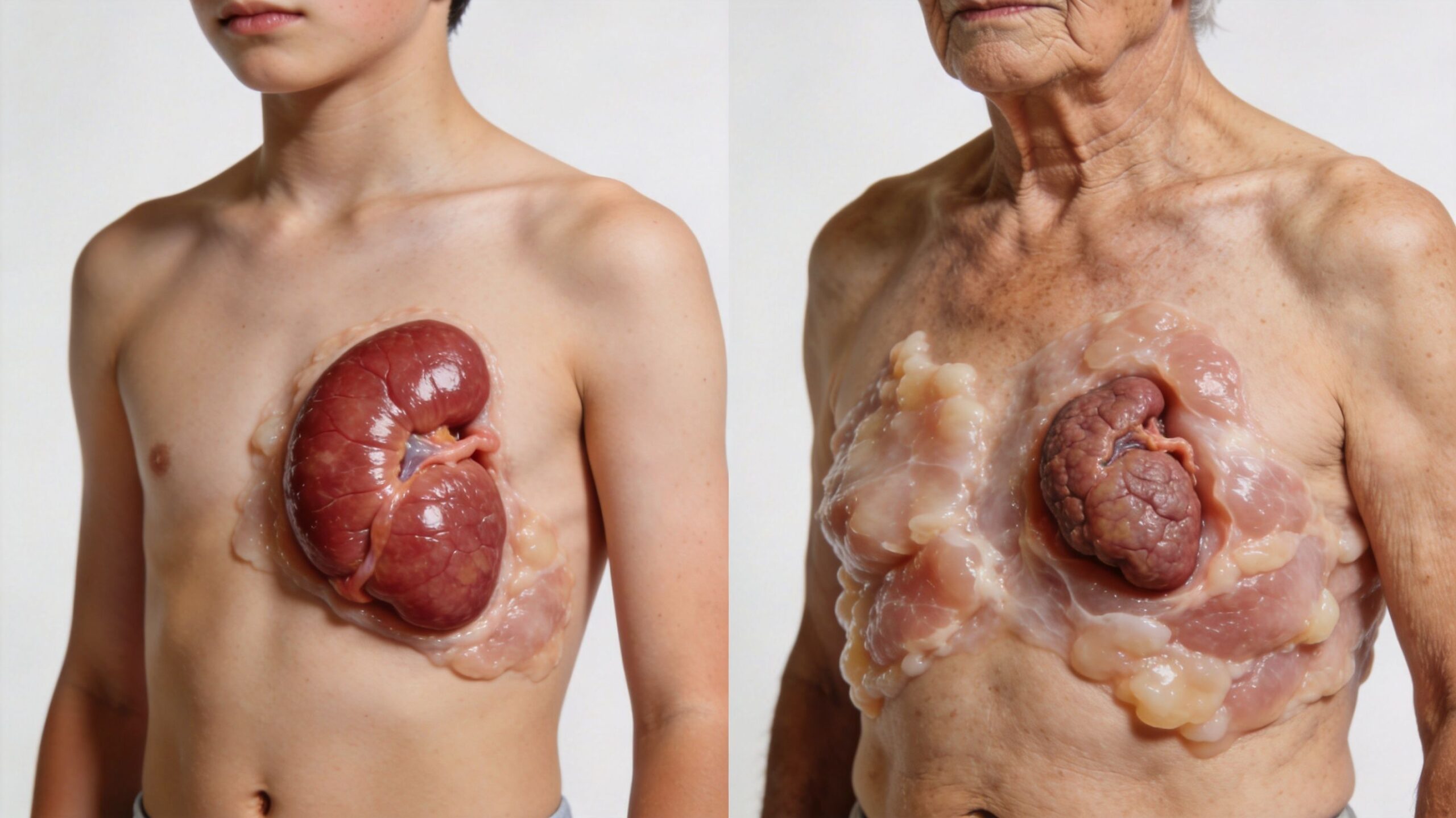
For a long time, the standard teaching was straightforward. The thymus plays a major role early in life, then shrinks after puberty and becomes much less important. That shrinking process is often called involution.
In practical terms, involution means active thymus tissue is gradually replaced by fatty tissue. On scans, the gland may look much smaller and less distinct than it did earlier in life. That helped create the common assumption that the thymus becomes largely irrelevant in adults.
That older view wasn't unreasonable. It matched what clinicians could see anatomically. But anatomy doesn't always tell the whole story.
The newer adult perspective
A Harvard-led analysis reported in 2026 challenged that old assumption in a major way. In that report, adults with high thymic health scores on CT scans had about a 50% lower risk of death and a 36% lower risk of developing lung cancer than adults with low thymic health scores, according to the Harvard Gazette summary of the study.
That doesn't mean the thymus gland works in adulthood exactly the way it does in childhood. It also doesn't prove that changing the thymus directly will improve anyone's health. But it does suggest something important. A healthier-looking thymus in adulthood may be a meaningful marker of overall resilience.
What patients should take from this
Patients often hear two confusing messages at once. One is that the thymus shrinks and becomes less active. The other is that adult thymic health may still matter. Both can be true.
A simple way to reconcile them is this table:
| Stage of life | What the thymus gland is generally doing |
|---|---|
| Childhood | Highly active in T-cell maturation |
| After puberty | Gradually shrinks and is replaced in part by fat |
| Adulthood | Less prominent, but its health on imaging may still carry important information |
A shrinking organ is not automatically an irrelevant organ.
For patients, this updated understanding can be reassuring. If your doctor mentions the thymus gland on a scan, it isn't necessarily a meaningless incidental finding. It may be part of a bigger conversation about immune reserve, aging, treatment response, or recovery potential.
Common Thymus Gland Disorders
The thymus gland is often overlooked until something abnormal appears on imaging or symptoms push the evaluation further. When problems do arise, they usually fall into a few broad categories.
Thymic hyperplasia and enlargement
Thymic hyperplasia means the thymus is enlarged or more active than expected. Sometimes this shows up after illness, during evaluation for autoimmune disease, or as an imaging finding that needs clarification.
An enlarged thymus doesn't automatically mean cancer. That's an important point, because people often see “mass” or “enlargement” on a report and assume the worst. In some cases, the gland is more prominent or reactive than usual.
Thymoma and thymic carcinoma
Two tumor-related terms often create confusion.
- Thymoma is a tumor arising from the thymus. It may behave more slowly, but it still needs careful evaluation and follow-up.
- Thymic carcinoma is a more aggressive cancer of the thymus region.
Doctors usually sort these conditions out with imaging, clinical history, and sometimes biopsy or surgical pathology. A scan can suggest the diagnosis, but it often can't answer every question on its own.
The strong link with myasthenia gravis
The thymus gland is especially important in discussions about myasthenia gravis, often shortened to MG. MG is an autoimmune condition that interferes with communication between nerves and muscles, leading to muscle weakness that can fluctuate during the day.
Patients are often surprised by the connection. Why would a gland in the chest affect the eyes, face, swallowing muscles, or limb strength? The answer comes back to immune training. If immune regulation is abnormal, the body can produce antibodies that interfere with normal neuromuscular function.
Common features that may raise concern for MG include:
- Drooping eyelids: One or both eyelids may sag, especially later in the day.
- Double vision: Eye muscles fatigue easily.
- Difficulty chewing or swallowing: Meals may become more tiring than expected.
- Arm, leg, or neck weakness: Strength may fade with repeated use.
When muscle weakness fluctuates, gets worse with effort, and improves with rest, clinicians often think about a neuromuscular cause, not just deconditioning.
Many patients with thymic disease don't have MG, and many patients with MG don't have a thymic tumor. But the overlap is clinically important enough that neurologists and thoracic surgeons often evaluate the thymus carefully when MG is diagnosed.
Why thymectomy is sometimes recommended
A thymectomy is surgery to remove the thymus gland. Doctors may recommend it for a thymoma, for some cases of myasthenia gravis, or for other thymic abnormalities depending on the clinical picture.
That recommendation can feel counterintuitive. If the thymus helps train the immune system, why remove it? The answer is that in some disorders, the gland may be contributing to abnormal immune activity or harboring a tumor. In those settings, removing it can be part of controlling disease rather than harming health.
Symptoms Diagnosis and Medical Treatment
Thymus gland conditions often come to attention in one of two ways. Some people develop symptoms. Others learn about the issue after imaging ordered for another reason.
Symptoms that may lead to evaluation
A thymus gland problem can press on nearby structures in the chest or contribute to autoimmune symptoms. That means the signs can vary quite a bit from person to person.
Symptoms that may prompt testing include:
- Chest discomfort or pressure: Especially if there's a mass in the front of the chest
- Persistent cough: Not every cough is lung-related
- Shortness of breath: This can come from chest involvement or muscle weakness
- Trouble swallowing or speaking clearly: More suggestive of neuromuscular involvement
- Drooping eyelids or unusual fatigue in the muscles: Often part of the myasthenia gravis picture
Some people feel completely well and still end up needing an evaluation because a scan picked up an unexpected finding.
How doctors usually diagnose it
The workup often starts with imaging such as a CT scan or MRI of the chest. These tests help clinicians look at the size, shape, and location of the thymus gland and see whether there's a suspicious mass.
Bloodwork may be added if doctors are concerned about autoimmune disease, especially myasthenia gravis. Depending on the situation, you may also see a neurologist, thoracic surgeon, oncologist, or pulmonologist.
A diagnosis sometimes requires tissue confirmation, but not always right away. In many cases, the team first looks at the imaging pattern, symptoms, and overall risk before deciding whether biopsy or surgery is the next step.
If your report mentions the thymus gland, ask three questions: what was seen, what does it most likely represent, and what test comes next.
Treatment options you may hear about
Treatment depends on the diagnosis, your symptoms, and whether the concern is inflammatory, autoimmune, or cancer-related.
A doctor may recommend:
- Observation: If the finding appears low risk and stable
- Medication: Often used when autoimmune disease is driving symptoms
- Thymectomy: Surgical removal of the gland
- Radiation or chemotherapy: Considered in some cancer cases
After surgery, patients often ask about healing around the incision and tight tissues through the chest and shoulder region. Scar management is individualized, and some clinicians may discuss options such as ultrasound for scar tissue when stiffness and tissue restriction are affecting movement.
Surgery itself may be performed through different approaches. Some patients have a more traditional chest incision, while others may have minimally invasive techniques. The specific method affects the early recovery experience, especially pain, breathing comfort, shoulder mobility, and lifting restrictions.
Physical Therapy After Thymus Gland Surgery
For many patients, the hardest part of a thymus gland diagnosis isn't the scan or the operation. It's the stretch afterward, when the procedure is over but normal movement still feels awkward, tiring, or painful.
Why rehab matters after thymectomy
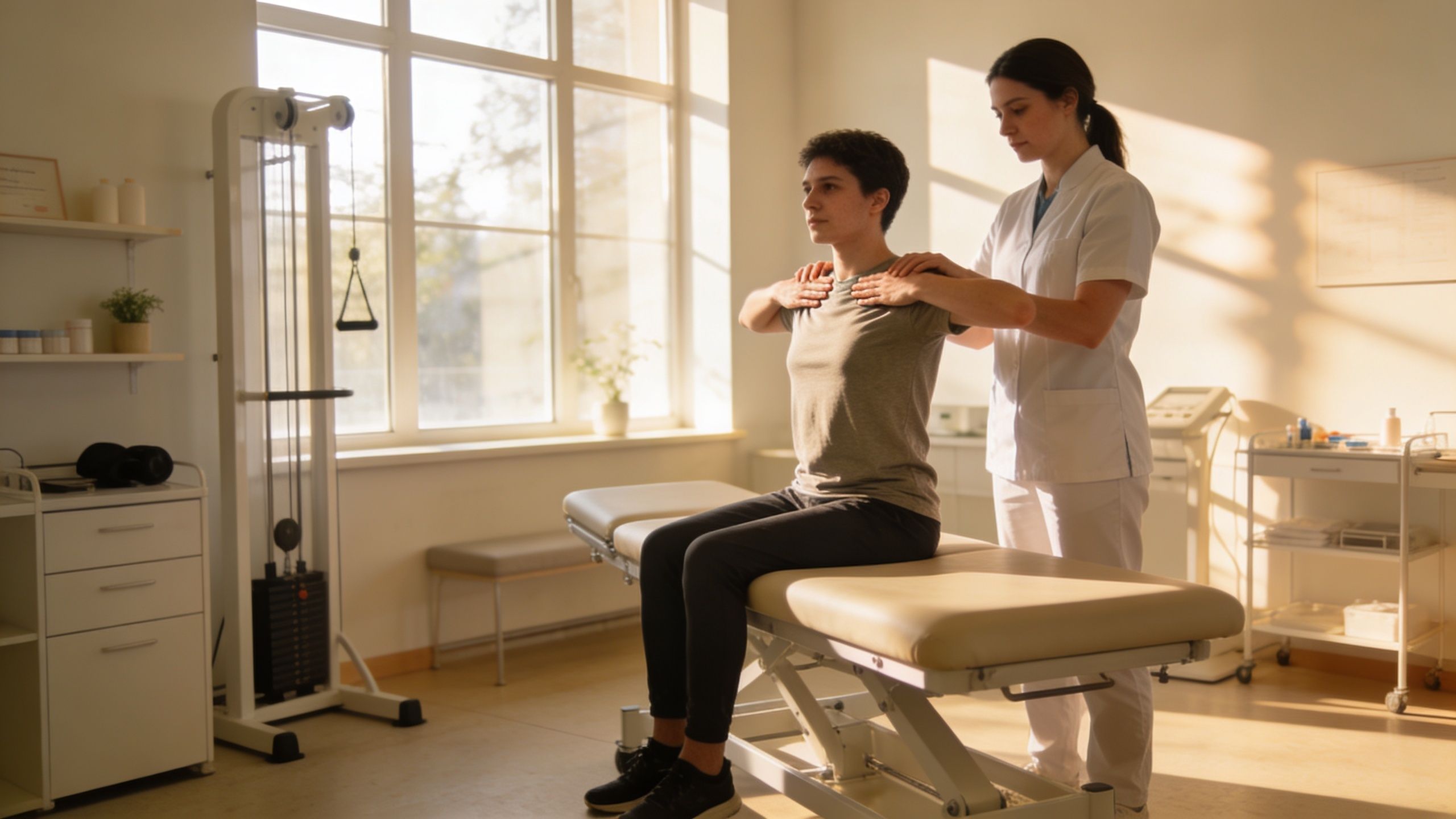
Recovery after thymectomy depends partly on how the surgery was performed. A patient who had a sternotomy, where the breastbone is divided, usually has different restrictions and discomfort than someone who had a less invasive procedure.
Even when healing is going well, several issues are common:
| Early recovery issue | Why it happens |
|---|---|
| Shallow breathing | Pain and guarding limit chest expansion |
| Postural stiffness | Patients protect the chest and round forward |
| Shoulder tightness | Arm movement often feels threatening at first |
| Fatigue with activity | Surgery, deconditioning, and illness all contribute |
That's where physical therapy can help. The goal isn't to push hard. The goal is to restore efficient breathing, safe movement, confidence, and endurance without overloading healing tissues.
What physical therapy often focuses on
Early rehab is usually gentle and specific. Patients often need coaching to move in ways that feel safe again.
Common PT priorities include:
- Breathing retraining: Diaphragmatic breathing and supported deep breathing help improve chest expansion.
- Airway support and lung recovery: Incentive spirometry is often prescribed by the surgical team, and PT may reinforce how to use it effectively.
- Posture work: After chest surgery, many people round their shoulders and guard the incision. Therapists work to reduce that pattern.
- Shoulder and upper chest mobility: Gentle range of motion helps prevent the arms and chest wall from getting stiff.
- Walking progression: A structured walking program often rebuilds stamina better than long periods of bed rest.
Recovery after chest surgery is not only about the incision. It's also about breathing mechanics, trunk mobility, and rebuilding tolerance for daily activity.
Sternal precautions and movement confidence
If your surgery involved the sternum, your surgeon may give you sternal precautions. These are guidelines about lifting, pushing, pulling, and certain arm movements while the breastbone heals.
Patients often misinterpret these instructions and become afraid to move at all. That can create new problems such as stiffness, poor posture, and reduced endurance. A physical therapist helps you stay within your restrictions while still moving enough to recover.
Examples of coached movement may include:
- Getting out of bed without straining the chest
- Using the arms during daily tasks safely
- Progressing walking without exhausting yourself
- Reintroducing reaching and light household activity
Scar mobility and upper-body function
As healing progresses, the incision area may feel tight, numb, sensitive, or tethered. Those sensations can affect how you breathe and how you move your shoulders and trunk. Guided scar care can become part of rehab once the surgical team confirms the incision is ready.
If you want a clearer overview of how tissue healing can affect motion and comfort, this article on surgical scar tissue is a useful companion read.
Recent adult research has made this topic even more interesting. A 2025 study described by Mass General Brigham found that, in cancer patients, stronger thymic health on CT scans was associated with a 37% lower risk of cancer progression and a 44% lower risk of death. For rehab patients, that doesn't create a direct exercise prescription for the thymus gland. But it does reinforce a broader point. Recovery and resilience are connected, and the thymus may be part of that larger physiologic picture.
What patients can expect over time
Patients don't need extreme exercise right away. They need consistency. Good rehab after thymus surgery usually looks steady rather than dramatic.
A strong plan often includes regular walking, breathing practice, gradual shoulder mobility, posture correction, and a careful return to lifting and normal routines. If myasthenia gravis is part of the picture, therapists also watch closely for fatigue patterns and adjust the pace accordingly.
Frequently Asked Questions About the Thymus
Can you live without your thymus gland
Yes. Adults can live without the thymus gland, and some people need a thymectomy because of a tumor or autoimmune disease. The bigger question isn't whether life is possible afterward. It's how recovery, immune health, and the underlying diagnosis affect long-term wellness.
Does thymectomy cure myasthenia gravis
Not always. A thymectomy may help some patients with myasthenia gravis, but it isn't a guaranteed cure. Some people improve significantly, some improve gradually over time, and some still need ongoing medication and neurological care.
Does a thymus problem always mean cancer
No. An enlarged or abnormal-appearing thymus gland can reflect several things, including hyperplasia, benign-appearing changes, autoimmune associations, or a tumor that still needs characterization. Imaging findings need clinical context.
If the thymus shrinks with age, why would doctors still care about it
Because structure and significance are not the same thing. Even though the thymus changes over time, adult imaging research suggests its appearance may still carry useful information about resilience and health status. That doesn't mean every abnormal scan is dangerous. It means the gland deserves thoughtful interpretation.
When should I ask about physical therapy
Ask early if you've had chest surgery, breathing feels limited, posture has changed, shoulder motion is restricted, or daily activities still feel harder than they should. Physical therapy is often most helpful before stiffness, guarding, and deconditioning become ingrained.
If you're recovering from chest surgery, dealing with post-operative stiffness, or trying to regain strength and endurance after a thymus-related condition, Highbar Physical Therapy can help you move more comfortably and confidently. A licensed physical therapist can guide breathing exercises, mobility work, scar-related movement strategies, and a safe return to daily activity.