The fall season is upon us, and for many young athletes, that means hanging up the swimsuits, lacing up the cleats, and packing the gym bag for a schedule full of practices and games once again. In the midst of the back-to-school excitement and gearing up for the fall sports season, it’s important not to forget a key step in the preparation: training for injury prevention.
After a summer of reduced or different activity, jumping straight into full-intensity training can increase the risk of injuries. Injury prevention can include simple steps such as gradually increasing activity level, warming up properly, building strength, prioritizing recovery, and addressing pain early.
Whether you or your child are sprinting down the soccer field, spiking a volleyball over the net, or kicking the winning field goal under the Friday night lights, all athletes can benefit from a few key, but simple, steps to return to sport safely and stay active throughout the season.
What Injuries Are Common Among Young Athletes?
During periods of rapid growth, young athletes can experience changes in coordination, strength, flexibility, and more, and they must learn to adapt to these changes while meeting the physical demands of their sport. Not every injury occurs because of one specific movement or accident — overuse injuries can develop gradually when an athlete’s training load increases faster than their body can adapt.
Common sports injuries in young athletes include:
- Muscle strains
- Ankle sprains
- Knee pain and ACL injuries
- Shin pain/“shin splints”
- Back pain
- Shoulder and elbow injuries and tendonitis
- Concussions or other contact-related injuries
“The most common injury I will see in pediatric athletes is an ankle sprain. I treat a lot of dancers and their hypermobility lends itself to sprains. It’s important for all athletes, even dancers, to warm up before the start of activity so that your brain is more connected to your body and you can prevent silly missteps that can take you out of your competition.”
– Dr. Sarah Goldstein PT, DPT, Board – Certified Clinical Specialist in Pediatric Physical Therapy
How Can Young Athletes Prevent Sports Injuries?
While there is no way to eliminate injury risk completely, the steps below can help reduce the risk:
1. Return to Sports Gradually
Avoid a sudden jump from low activity levels to high-intensity demands and competition. Gradually increase activities such as running, sprinting, jumping, throwing, and sport-specific drills, and pay close attention to training volume, intensity, and recovery time. Increasing everything at once can place unnecessary stress on muscles, tendons, joints, and bones.
2. Warm Up Before Practice and Competition
A proper warm-up prepares the body for the movements required during sports. Spending even 10–15 minutes gradually increasing your heart rate and moving through sport-specific patterns can help.
“The advice I give most of my kids returning to sport is to not skip the warm up! Make sure that you actually feel warm afterwards so your muscles are ready to perform at their best.”
-Dr. Sarah Goldstein PT, DPT, Board-Certified Clinical Specialist in Pediatric Physical Therapy
A warm-up might include:
- Light jogging or skipping
- High knees
- Butt kicks
- Walking lunges
- Leg swings
- Dynamic mobility exercises
- Gradually faster running exercises
- Sport-specific drills
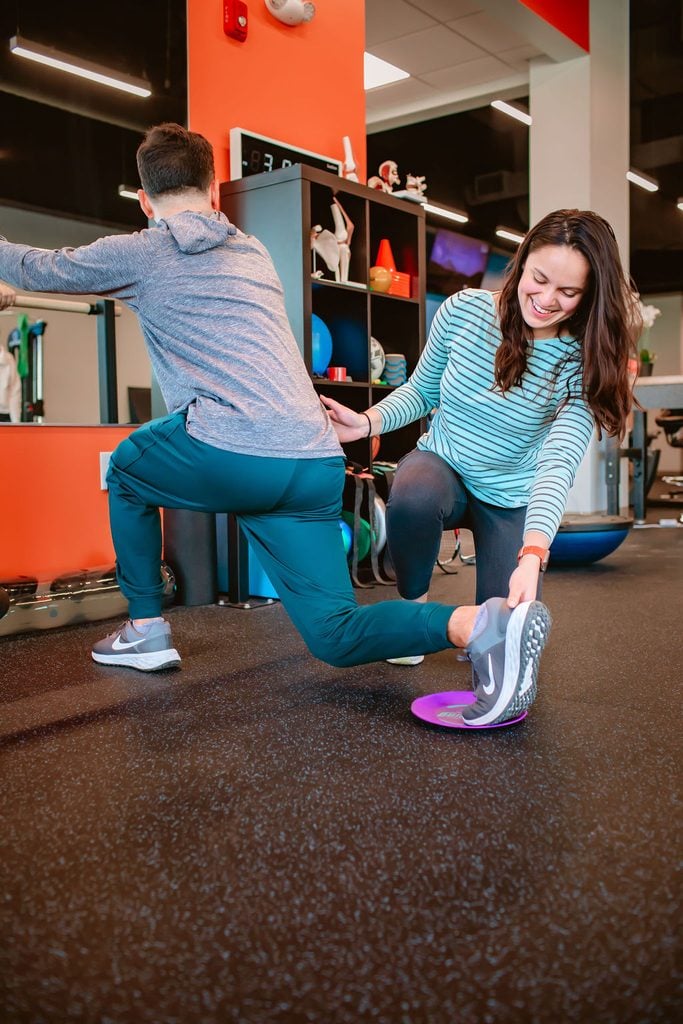
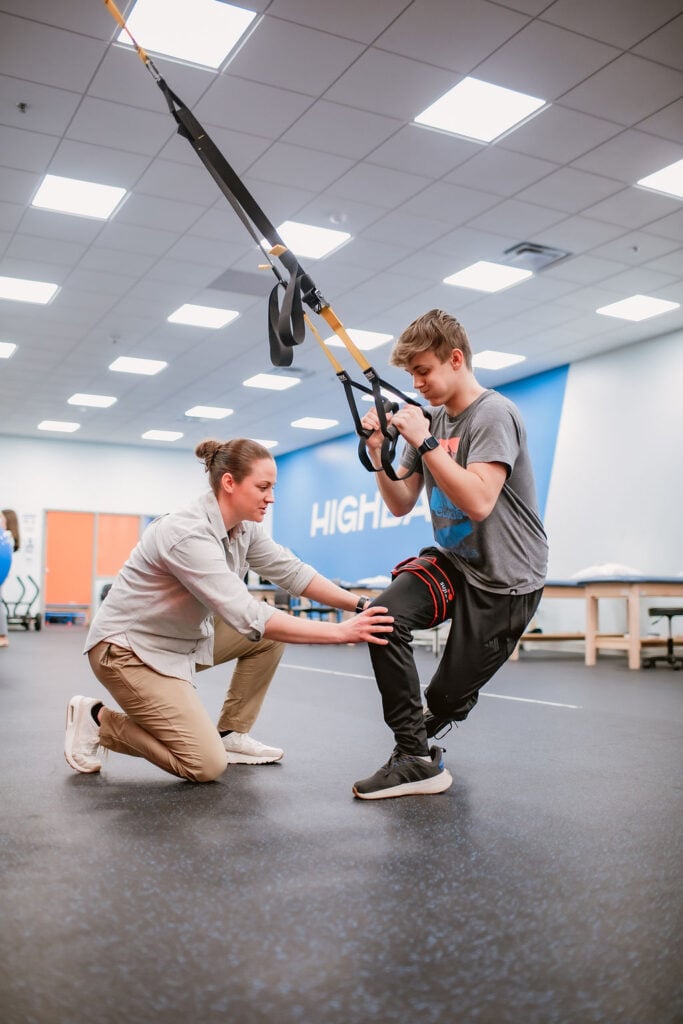
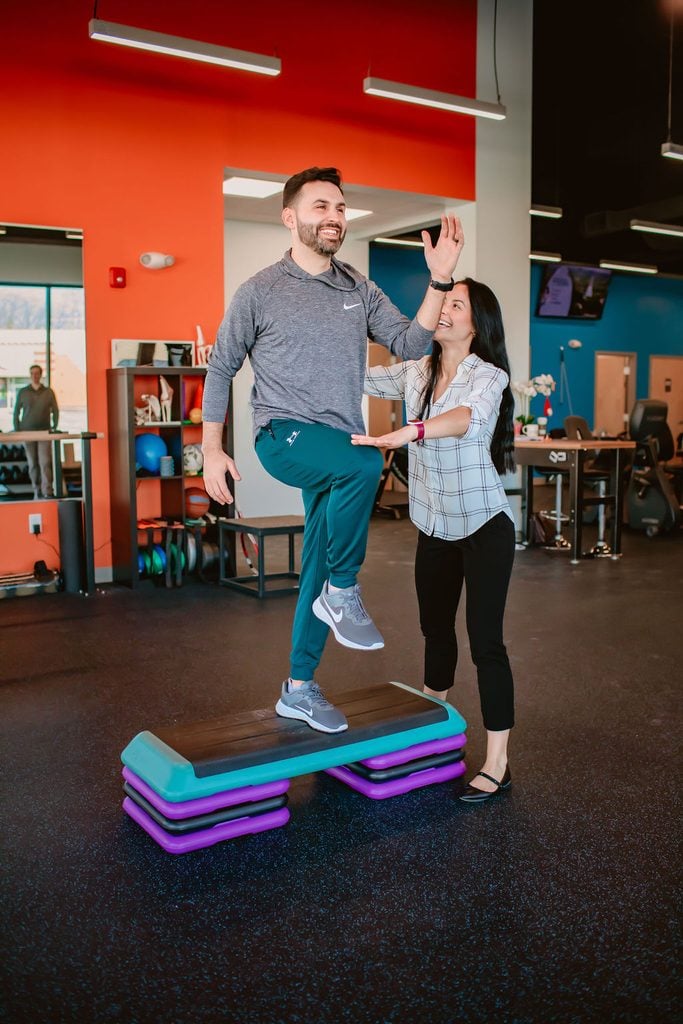
Dynamic movement is generally more appropriate before activity than spending an extended period holding static stretches.
3. Build Strength Before and During the Season
Injury prevention doesn’t stop with pre-season prep. Continue with sport-specific exercises but also consider cross-training exercises throughout the season to strengthen muscles that support good joint mechanics, posture, and endurance required for a long season of success.
Such exercises may include:
- Squats
- Lunges
- Calf raises
- Glute bridges
- Planks
- Single-leg exercises
- Jumping and landing drills
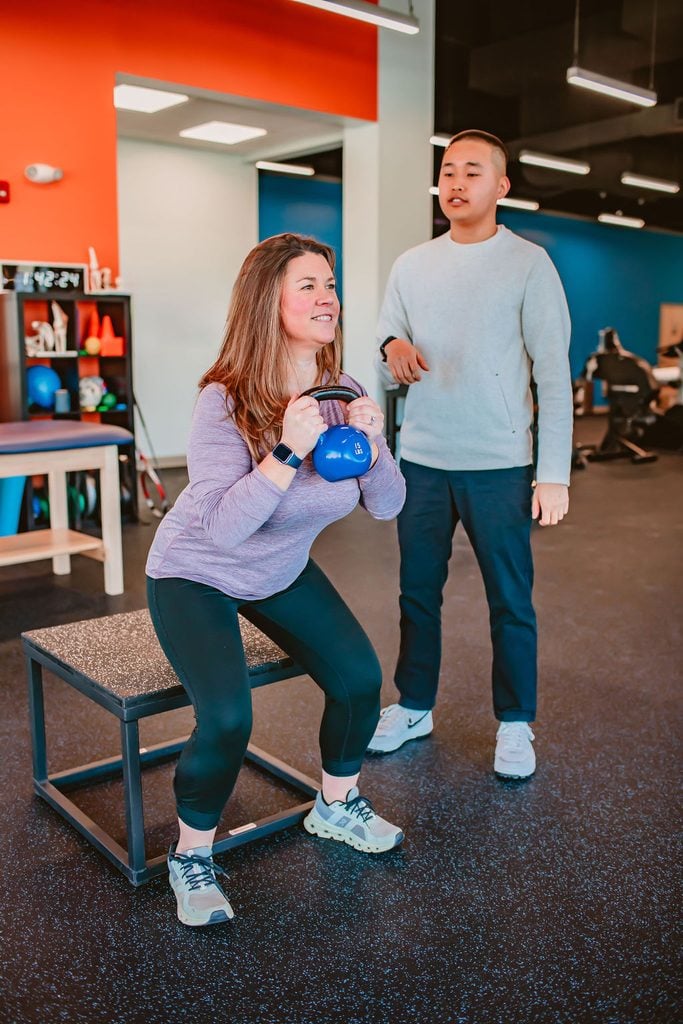
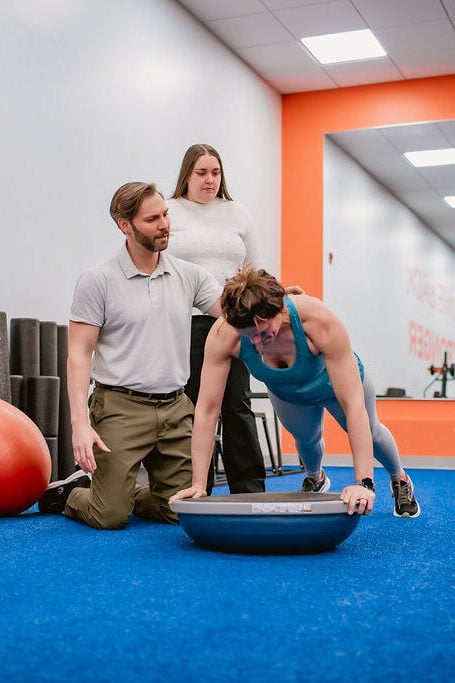
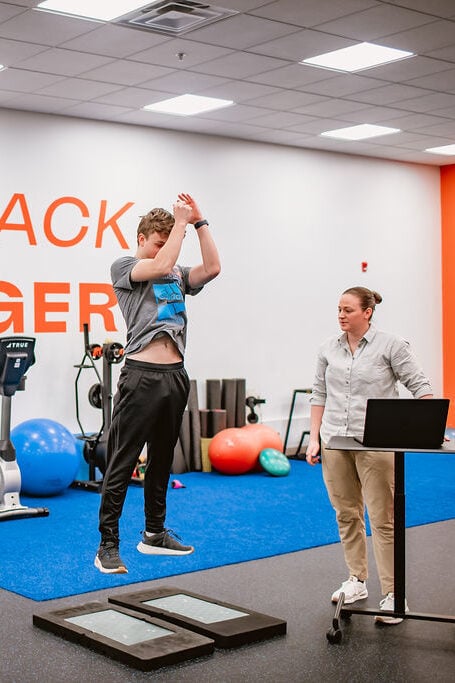
Young athletes do not necessarily need to lift heavy weights to benefit from strength training. Proper technique, progressive resistance, and appropriate supervision are more important than simply lifting more weight.
4. Prioritize Recovery
Recovery is crucial! Prioritizing rest and recovery helps elevate an athlete’s play and directly contributes to a season of success. Young athletes need proper and adequate sleep, hydration, nutritious food, and rest intervals to adapt to training. During a busy sports season, the calendar fills up quickly with school, sport, and social responsibilities; planning for and building recovery into the schedule can help reduce fatigue and allow the body to recover between demanding sessions.
5. Don’t Ignore Pain — Address it Early
It’s crucial for the young athlete to know that pain is not necessarily something to push through. “No pain no gain” is not always the name of the game. Some muscle soreness after a new activity can be normal and expected. However, persistent or worsening pain deserves attention—particularly when it affects how an athlete participates in their sport.
Early evaluation from the school’s athletic trainer or a local physical therapist may help identify contributing factors before a problem becomes more significant.
What Are the Signs an Athlete Should See a Physical Therapist?
A physical therapy evaluation may be appropriate if a young athlete experiences:
- Recurring pain during or after sports
- Pain that changes the way they run, jump, or play
- Persistent swelling
- Loss of strength or range of motion
- Repeated ankle sprains or other injuries
- Difficulty keeping up with teammates
- Pain that does not improve after modifying activity
- Difficulty returning to sports after an injury
- Concern about whether they are ready to return to competition
A physical therapist can create an individualized training or return-to-sport program based on the athlete’s needs and sport. The goal is not simply to eliminate pain, but to return athletes safely to the activities they enjoy and feel confident in their ability to perform.
Physical therapy isn’t only for athletes who are already injured.
A physical therapist can work with healthy athletes to identify areas of weakness or deficits that may affect sports performance and injury risk.
Keep Young Athletes Healthy This Fall
Fall sports provide an opportunity to stay active, develop new skills, build confidence, and enjoy being part of a team. While injuries cannot always be prevented, athletes can take meaningful steps to reduce their risk. Before returning to full participation, young athletes should focus on gradually preparing their bodies for the demands of their sport:
- Increase activity gradually
- Warm up before practices and games
- Build strength and movement control
- Stay hydrated and prioritize nutrition
- Get adequate sleep and recovery
- Use properly fitting sport equipment
- Pay attention to persistent pain
- Ask for help when something doesn’t feel right
If you or your athlete is experiencing pain, recovering from an injury, or has questions about readiness to return to sport, our physical therapy team can help. Contact Highbar Physical Therapy to schedule a sports injury evaluation and help your athlete get ready for a healthy fall season.
Frequently Asked Questions About Youth Sports Injury Prevention
How can young athletes prevent sports injuries?
Young athletes can reduce their risk of sports injuries by gradually increasing activity, warming up before practices and games, developing age-appropriate strength, practicing good movement mechanics, getting enough rest and sleep, staying hydrated, and addressing persistent pain early.
How should a high school athlete return to sports after a break?
A high school athlete should gradually rebuild their activity level rather than immediately returning to full-intensity practices and competition. Training should progress based on the athlete’s sport, fitness level, previous activity, and any history of injury.
Is strength training safe for young athletes?
Yes. Properly designed, age-appropriate strength training can be a valuable part of youth athletic development and injury prevention. Young athletes should focus on proper technique and appropriate progression, with qualified supervision when needed.
Should young athletes play through pain?
Athletes should not routinely be expected to play through persistent or worsening pain. Pain that changes movement or continues despite modifying activity should be evaluated by an appropriate healthcare professional.
When should my child see a physical therapist for a sports injury?
Consider a physical therapy evaluation when pain persists, repeatedly returns, affects athletic performance, changes movement, or makes it difficult to participate in sports. Physical therapy can also help athletes safely progress through rehabilitation and return to competition.
What is the best way to prepare for fall sports?
The best preparation combines gradual increases in activity, dynamic warm-ups, strength and conditioning, sport-specific movement practice, adequate recovery, hydration, nutrition, and attention to early symptoms.
If your athlete needs help preparing for the season, recovering from an injury, or returning to competition, Highbar Physical Therapy is here to help.