PT For Future Me: An Investment You Make Today for All Your Tomorrows
This October, the American Physical Therapy Association (APTA) turns the spotlight on a simple but powerful idea: PT For Future Me. The message is that physical therapy isn’t just for recovery after an injury. It’s a proactive investment in your life and wellness five, ten, even fifty years from now. The strength, balance, and movement habits you build and protect today are what determine whether “future you” is climbing a ladder to clean the gutters, chasing grandkids around the yard, and navigating an icy driveway with confidence each winter.
And how better to care for “future you” than to take care of your body now to prevent injury later? Preventing an injury is almost always easier, cheaper, and less disruptive than recovering from one. Luckily, physical therapy isn’t just an option post-injury or post-surgery. A physical therapist can proactively identify weak links in how you move (think tight hips, a weak core, or poor balance) and help you correct them before they cause a problem. Future you is in good hands!
If we’re honest, most of us probably treat our bodies like we treat our cars: we ignore the weird noise until the car won’t start.
What can that look like in real life? Perhaps it’s a mild but nagging tightness in your shoulder, knees that ache on stairs, or a low back that “just gets stiff” after a long day of deskwork. These mild inconveniences can be easy to brush off, but minor movement problems often grow into bigger ones, and by the time pain stops you in your tracks, recovery can take weeks or months.
It’s a “wait and see” trap. And there’s a better way: fix it before it becomes a problem.
What Does “Treatment vs Prevention” Really Mean?
After the factTreatment
Treatment is what happens to address something that went wrong (e.g., pain, injury, or loss of function). Treatment (for example, from a qualified physical therapist!) helps you heal, restore movement, and get back to what you love.
Before that pointPrevention
Prevention is what you do before that point. Prevention involves building strength, mobility, and balance so your body can handle the demands of daily life, including what you need to do for work, maintaining a home, and exercising.
Both treatment and prevention matter, and a PT can help with either. But the earlier you act to take care of your body’s overall health, proactive attention to wellness rather than just reactive treatment or recovery, the more options you have.
Signs You Shouldn’t Wait for Pain to Get Worse
You don’t need a diagnosis to see a physical therapist. Consider a visit if you notice:
- Recurring aches in a certain spot (e.g., neck, back, knee, shoulder)
- Stiffness, especially when it doesn’t loosen up with movement
- Feeling unsteady or losing your balance more often
- Favoring one side when you walk, lift, or exercise
- Pain that limits activity, even mildly
- A new workout, sport, or job that changes how you use your body
- A past injury that never quite felt “100%” again
In Rhode Island, Massachusetts, and many other states, you can see a PT without a physician’s referral. That means you can call in and schedule yourself for an evaluation whenever you feel you may need one. (Our team can provide you with more information regarding this “direct access” to PT and how many visits your insurance may cover.)
Physical therapists are trained to identify and address impairments in your posture and alignment, movement patterns, flexibility, strength, and agility, and interpret them in the context of your work, home, and lifestyle factors, all of which influence the likelihood of developing pain or an injury down the line. Identifying which areas need attention early helps to prevent them from becoming bigger problems requiring bigger solutions later.
“Pain is usually the last signal, not the first. By the time something hurts, the movement problem behind it has often been building for months. We’d much rather meet you while it’s still an easy fix.”
5 Exercises to Help Prevent Injury
While no advice or exercise regimen can be guaranteed to ward off pain or injury forever, regular movement, a nutritious diet, and quality sleep can help.
Here, we explore some common exercises that target areas where many common injuries begin. They’re a general starting point, not personalized medical advice. Move slowly, stay in a pain-free range, and stop if something hurts.
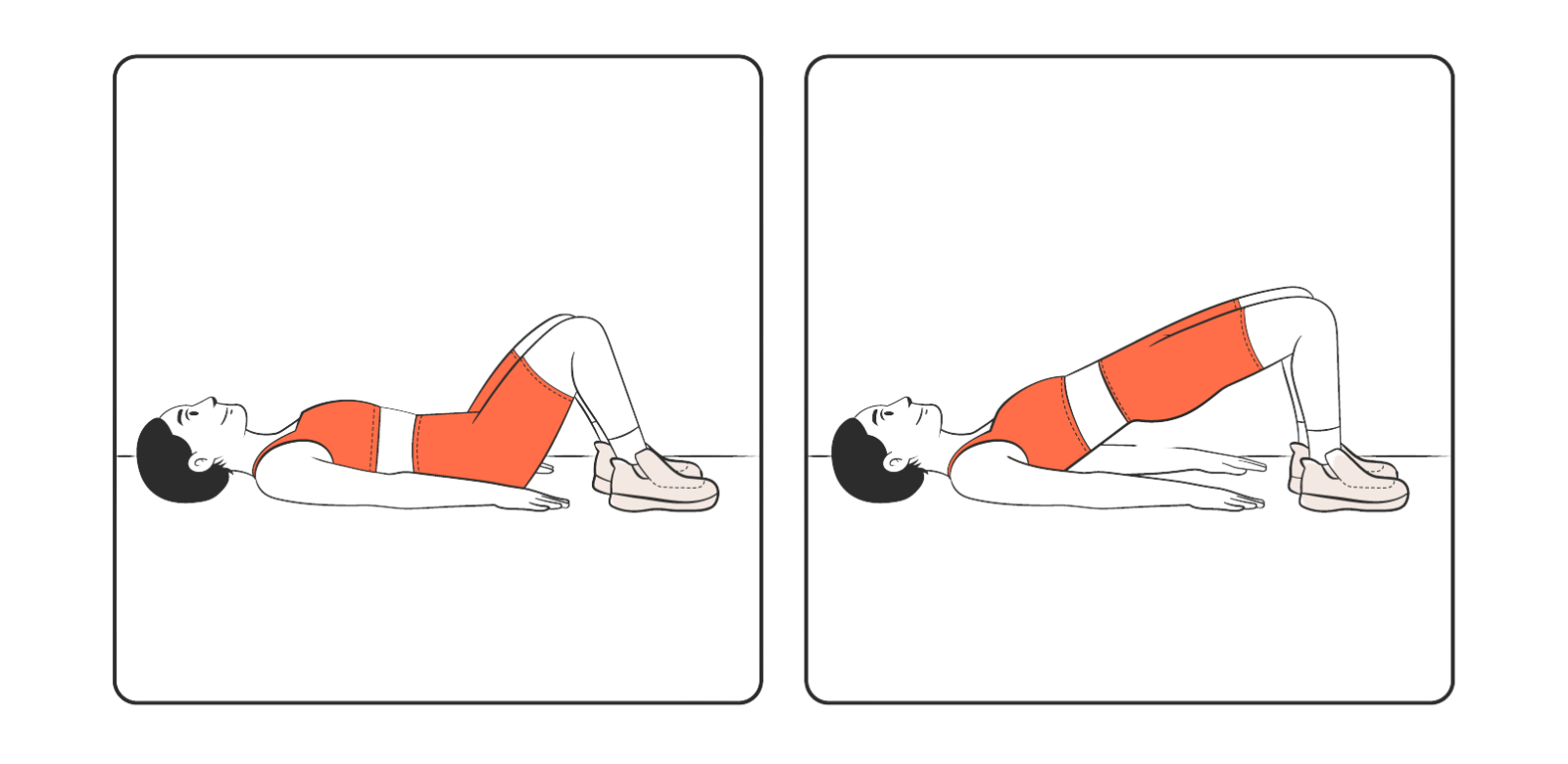
Glute Bridge (hips and low back)
Lie on your back with knees bent and feet flat. Squeeze your glutes (your buttock muscles) and lift your hips until your body forms a straight line from shoulders to knees. Hold 2 seconds, then lower with control.
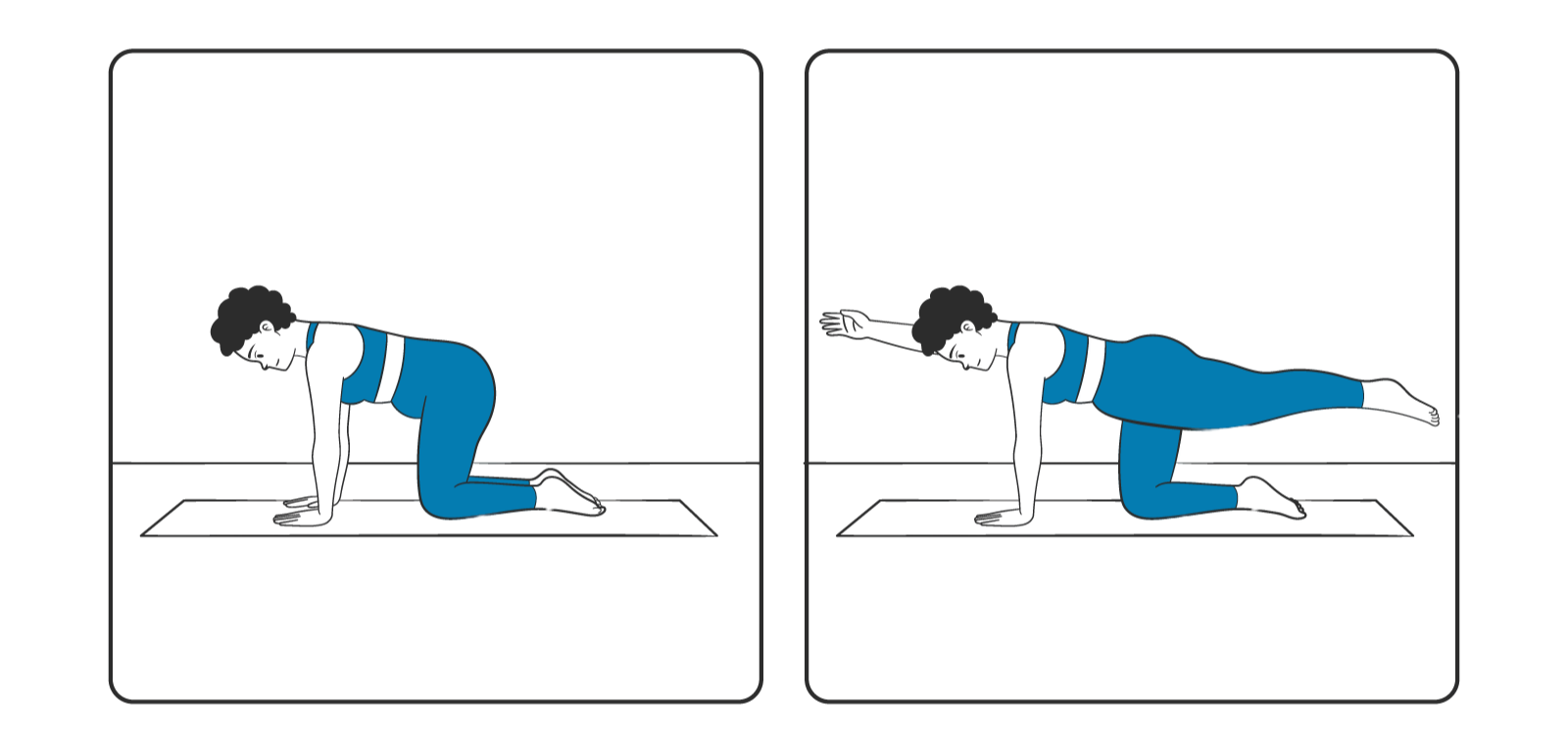
Bird Dog (core and spine stability)
Get into position on hands and knees. Extend one arm forward and the opposite leg back, keeping your hips level and back steady. Hold 3 to 5 seconds, then switch sides.
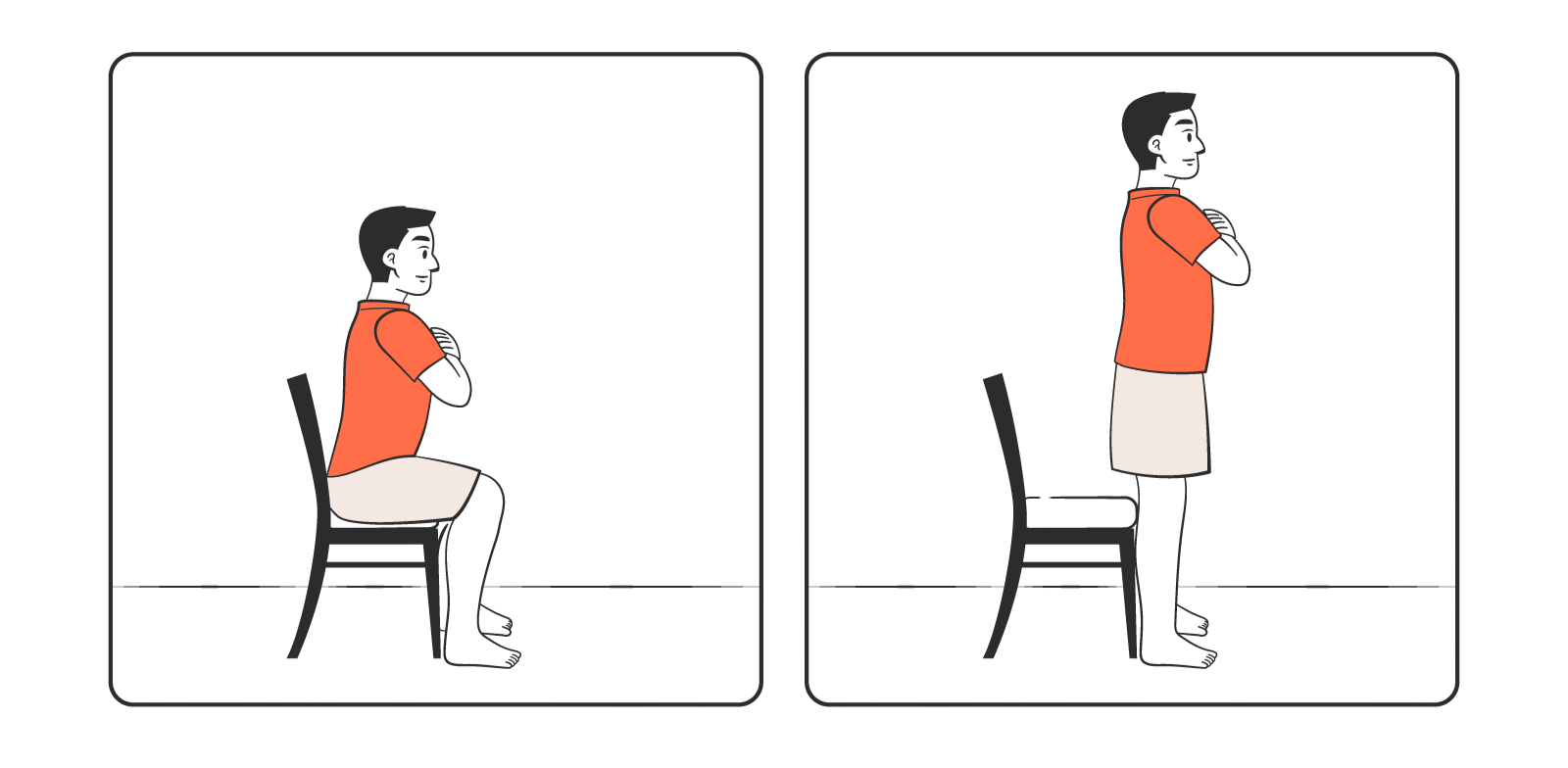
Sit-to-Stand (leg strength)
Sit in a sturdy chair, then stand up without using your hands if you can. Lower back down slowly with control.
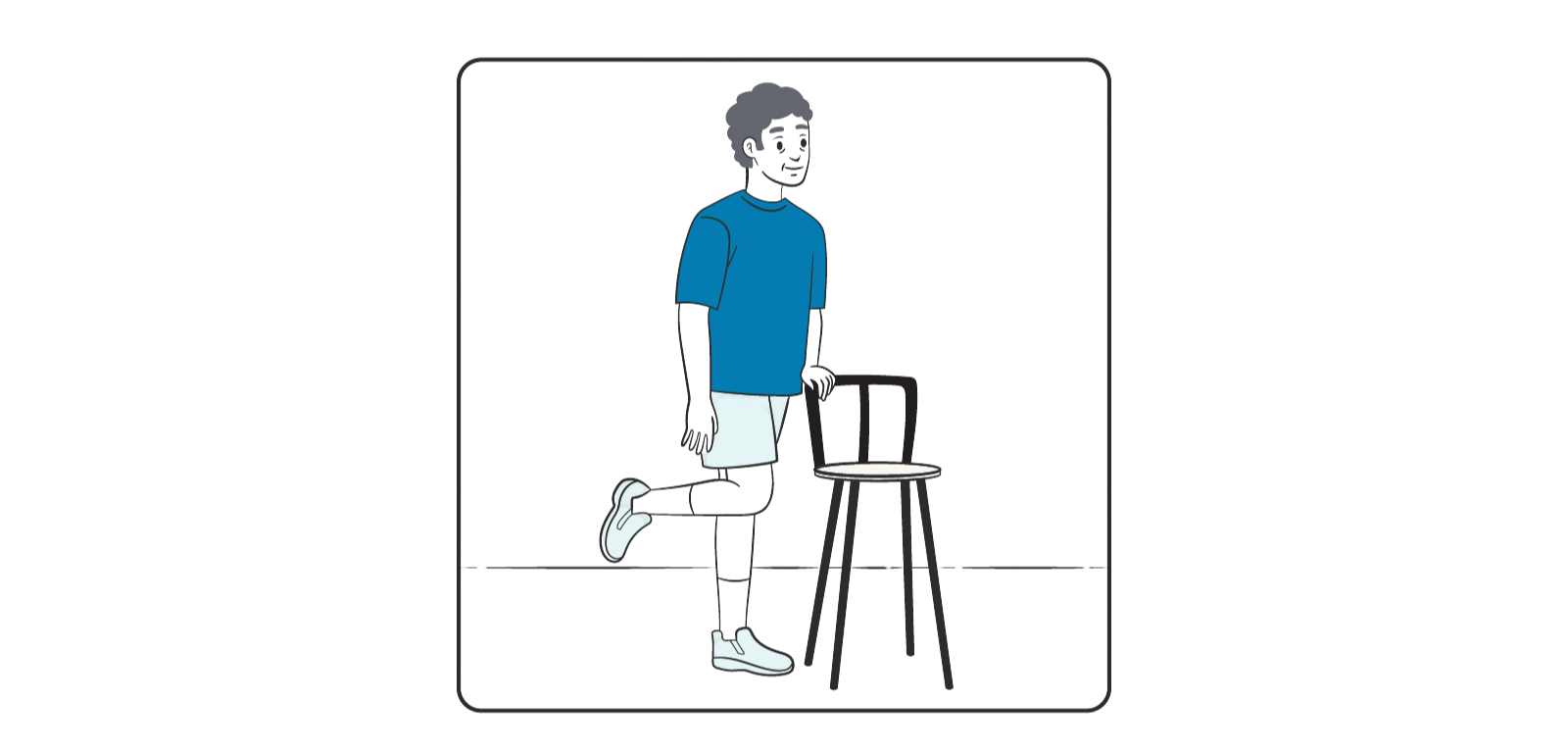
Single-Leg Balance (ankles and fall prevention)
Stand near a counter for support, with a light hand touch on the surface. Lift one foot and hold, balancing on your standing leg for up to 30 seconds. Progress by reducing hand support.
Do not remove hand support if you have any balance or fall concerns, or until you feel safe to do so.
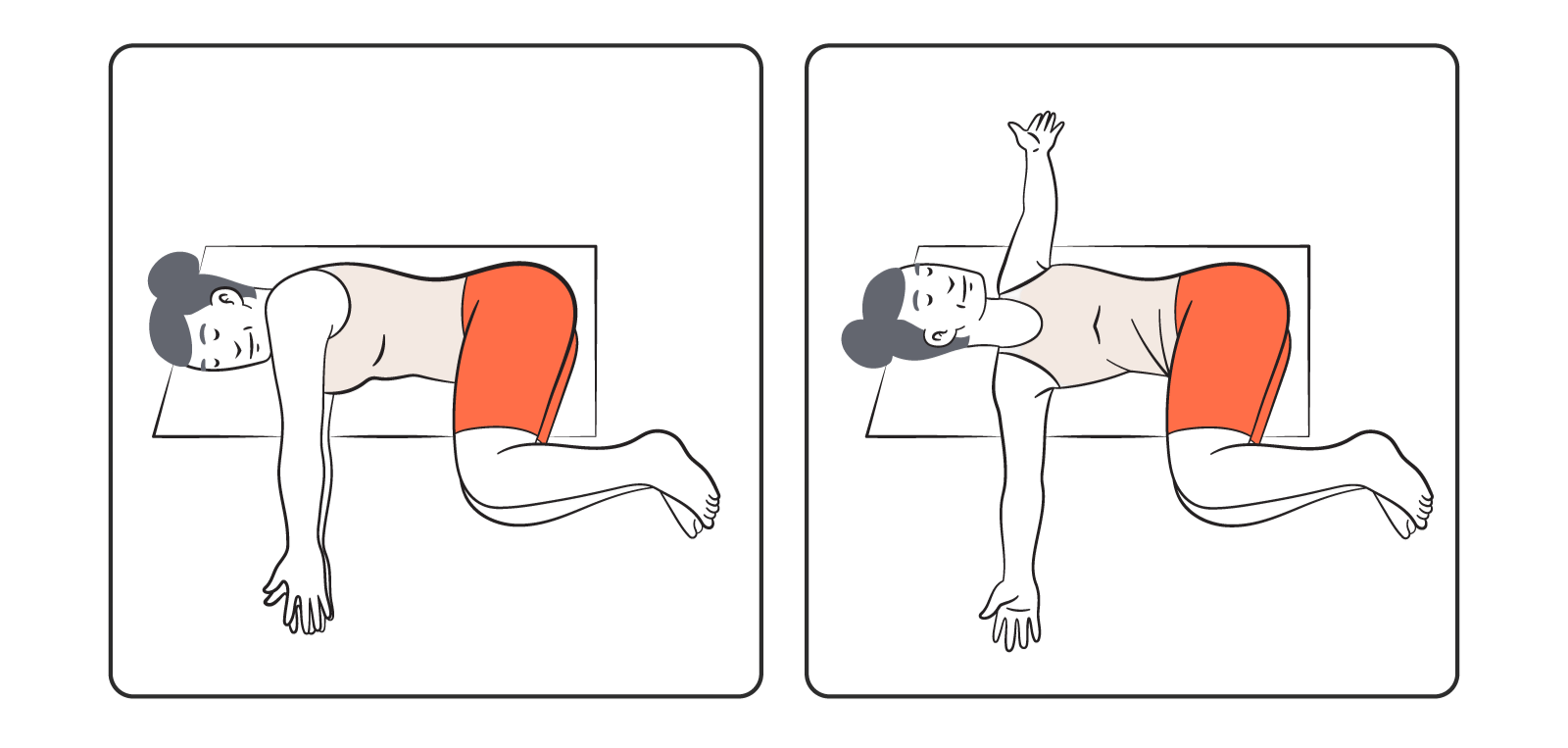
Thoracic Rotation / “Open Book” (upper back mobility)
Lie on your side, with knees bent, and arms resting out straight in front of you, palms together. Slowly open the top arm up and over, across your body, rotating your upper back so the chest faces upwards, then return to starting position.
Build a Prevention Routine You’ll Actually Stick To
- Move most daysThe CDC recommends at least 150 minutes of moderate aerobic activity per week, plus muscle-strengthening activities on 2 or more days.
- Warm up firstFive minutes of easy movement prepares your joints and muscles.
- Increase graduallyDoing too much too soon is one of the most common causes of overuse injuries.
- Break up sittingStand, stretch, or walk for at least a couple of minutes for every 30 to 60 minutes of static sitting.
- Listen to early warning signsPain that lingers or keeps coming back is information, not weakness.
- Get a movement screenA PT can spot imbalances you can’t see or feel yet.
What Happens at a Physical Therapy Visit?
Convinced that you should listen to that aching in your knee or stiffness in your back that you were otherwise ignoring? We can help! A PT visit isn’t scary or complicated. Typically, your physical therapist will:
- Listen to your goals, lifestyle, and any aches or past injuries
- Assess your strength, flexibility, balance, posture, and how you move
- Identify the risk factors most likely to contribute to or cause problems for you
- Build a personalized plan with exercises and habits you can do at home
Whether you’re a weekend runner, a desk worker, a new parent, a golfer, or simply someone who wants to stay active for decades, the plan is tailored to you.
Your Future Self Will Thank You
You don’t have to wait for pain to take your health seriously. A few simple habits and one conversation with a physical therapist can keep you doing what you love, today and for years to come.
Ready to invest in your future self? Book a consultation with our team today.
Request an appointmentFrequently Asked Questions
Can physical therapy prevent injuries?
Yes. A physical therapist can identify movement problems, strength deficits, and mobility limits that raise your injury risk, then give you targeted exercises and strategies to fix them before pain develops.
When should I see a physical therapist: before or after an injury?
Either, but earlier is better. See a PT if you have recurring pain, stiffness, balance concerns, or are starting a new activity. You don’t have to wait until pain is severe.
Do I need a doctor’s referral to see a physical therapist?
Often you don’t, but requirements vary by state and insurance plan. Call our office and we’ll help you sort it out.
How often should I do exercises to prevent injury?
Most prevention routines work best done 2 to 3 times per week for strength and mobility, with balance work and general movement most days. Your PT can adjust this for you.
Is physical therapy worth it if I’m not in pain?
Yes. Building strength, balance, and mobility now helps you stay active and independent longer and may spare you a more intensive recovery down the road.
This article is for general educational purposes and is not a substitute for personalized medical advice. If you have pain, a health condition, or concerns about exercising safely, talk with a licensed physical therapist or your health care provider.