Stop Working Around Your Shoulder. Start Fixing It.
Reaching overhead shouldn't make you wince. Sleeping on your side shouldn't wake you up. If your shoulder is dictating what you can and can't do, physical therapy at Highbar Health can change that.
Book Your Evaluation Today
25+ Clinics Across New England • No Referral Needed • Most Insurance Accepted
Understanding Shoulder Pain
The shoulder is the most mobile joint in your body — and that freedom of movement comes at a cost. With less bony stability than your hip or knee, the shoulder relies heavily on muscles, tendons, and ligaments to stay in place and function properly.
That’s why rotator cuff tears, frozen shoulder, impingement, labral tears, and bursitis are so common, especially as we age or push our bodies through overhead work and sport.
Physical therapy is the first-line treatment for the vast majority of shoulder conditions, and research consistently shows that patients who start with PT recover faster, spend less, and avoid unnecessary surgeries.
Video Gallery

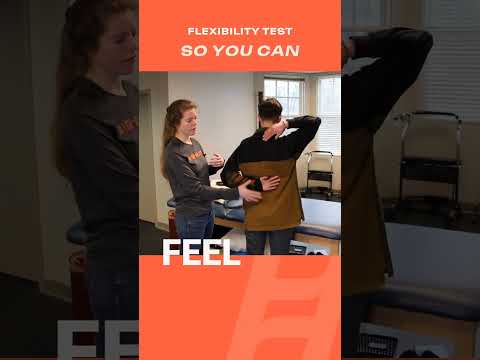

What Your Body Is Telling You
Pain when you reach overhead or behind your back — grabbing something off a high shelf, putting on a jacket, fastening a seatbelt — is the signature of rotator cuff dysfunction or subacromial impingement. The rotator cuff is a group of four small muscles that keep your shoulder centered in its socket, and when one is strained, torn, or pinched, everyday movements become painful ones.
A shoulder that’s gradually losing range of motion, getting stiffer week by week until you can barely lift your arm to shoulder height, is the classic progression of adhesive capsulitis — better known as frozen shoulder. It tends to hit between ages 40 and 60 and is more common in women and people with diabetes. Without intervention, it can take 18 months or longer to resolve on its own.
Night pain that keeps you from sleeping on the affected side is one of the most disruptive shoulder symptoms, and it usually indicates inflammation — bursitis, a rotator cuff tear, or impingement that compresses when you lie on it. If your sleep is suffering, your recovery will too.
How Physical Therapy Helps
Shoulder rehab at Highbar Health is built around your specific diagnosis, your goals, and where you are in your recovery — not a generic protocol.
- Rotator cuff and scapular strengthening to rebuild the muscular stability your shoulder depends on, using a progressive approach matched to where you are today
- Manual therapy and joint mobilization to break through stiffness, restore capsular flexibility, and reduce the inflammatory cycle
- Activity-specific rehab for athletes returning to throwing, lifting, or overhead sport — and for workers performing manual tasks safely
- Post-surgical rehabilitation with evidence-based protocols for rotator cuff repairs, labral repairs, and total shoulder replacements
Common Shoulder Conditions We Treat
Rotator Cuff Tears & Strains
- Partial or full tears of the stabilizing muscles around the shoulder — many respond well to progressive strengthening and manual therapy without surgery.
Frozen Shoulder
- Adhesive capsulitis causing progressive stiffness and pain — treated with joint mobilization, stretching protocols, and guided range-of-motion recovery.
Shoulder Impingement
- Compression of tendons and bursa during overhead movement — corrected with scapular retraining, rotator cuff strengthening, and postural work.
Labral Tears & Post-Surgical Rehab
- Tears to the cartilage ring of the shoulder socket — managed conservatively or rehabilitated after surgical repair with evidence-based protocols.
When to See a Physical Therapist
If your shoulder is changing your behavior — you’re avoiding the gym, sleeping differently, relying on your other arm, or taking painkillers to get through the day — you’ve waited long enough. Early intervention leads to significantly better outcomes.
- Pain that limits reaching, lifting, or sleeping
- Stiffness that's getting worse over time
- Weakness or instability in the shoulder
- Post-surgical recovery that needs expert guidance
Your Shoulder Was Built to Move
Let's make sure it can. With 25+ locations across New England, Highbar Health makes it easy to see a specialist who understands shoulder pain inside and out.

Common reasons shoulders hurt
Shoulder pain is usually caused by a mix of load, strength, mobility, and how your body moves. Common examples include:
- Rotator cuff irritation (often hurts with reaching overhead or behind your back)
- Pinching at the top of the shoulder (often hurts with lifting your arm out to the side)
- A shoulder that feels loose or slips (often after a dislocation or in throwing athletes)
- A stiff shoulder that won’t move freely in any direction (sometimes called frozen shoulder)
- Post-injury or post-surgery recovery (after a fall, tear, or repair)
- Arthritis or joint changes
Want a plan that fits your shoulder and your goals? Find a PT →
Quick answers about shoulder pain
FAQS
When should I see a PT for shoulder pain?
If your shoulder pain has lasted more than a week, is waking you up at night, or is limiting reaching, dressing, or workouts, it’s time. Earlier care usually means a faster recovery.
Should I rest or exercise with shoulder pain?
Some short-term rest from the painful movement can help, but full rest usually backfires. A PT can show you which motions to keep doing and which to back off from for now.
Do I need an MRI before I start PT?
Usually no. Most shoulder issues improve with the right exercises and hands-on care. Imaging often shows changes that aren’t actually causing your pain. If you need it, your PT will say so.
I think I have a rotator cuff tear. Do I need surgery?
Not always. Many rotator cuff problems get strong and pain-free with PT alone. Even some tears do well without surgery. A PT can help you figure out what’s right for you.
Why does my shoulder hurt at night?
Lying on it loads the joint differently and can flare up irritated tissues. Try sleeping on your other side with a pillow hugged in front of you, and let a PT help calm it down.
What is frozen shoulder?
It’s when the shoulder gets gradually stiffer and more painful, often for no clear reason. It can take time, but PT helps you keep motion, manage pain, and get back to normal faster.
I just had shoulder surgery. When can I start PT?
Usually within the first week or two, depending on your surgeon’s plan. Early, guided movement protects the repair and sets you up for the best long-term outcome.