You notice it when a scar feels tight weeks after surgery. Or when a blister changes the way you walk, and suddenly your knee or hip starts to ache too. Skin is often thought of as a passive covering until it starts affecting movement, comfort, or healing.
That’s where the integumentary system matters. In physical therapy, we pay attention to skin, scars, tissue quality, and wound healing because what happens at the surface often changes what the rest of the body can do. If skin is irritated, fragile, stuck down, poorly perfused, or slow to heal, movement gets harder. Sometimes pain does too.
Your Body’s Largest Organ An Introduction
The integumentary system includes your skin, hair, nails, and glands. It’s not a wrapper around the body. It’s an active organ system involved in protection, temperature control, sensation, healing, and recovery.
Its scale alone changes how you think about it. The integumentary system is the human body’s largest organ, covering approximately 2 square meters in adults and weighing about 6 pounds (2.7 kilograms) or more according to Kenhub’s overview of the integumentary system.
That matters in rehab because a system this large influences nearly every stage of recovery. If you’ve had surgery, your skin is part of the healing story. If you’re an athlete, it helps regulate heat and gives you sensory feedback. If you’re dealing with aging, diabetes, swelling, or limited mobility, skin integrity can affect your exercise tolerance and your risk of complications.
Practical rule: If a scar, rash, wound, pressure spot, or patch of fragile skin is changing how you move, it’s no longer “just skin.”
Physical therapists see this often. A patient protects a tender incision and starts moving stiffly. Another avoids loading a foot because of skin breakdown, then develops calf tightness and balance problems. Someone with a mature-looking scar still can’t fully raise an arm because the tissue underneath doesn’t glide well.
The integumentary system is your first line of defense, but in rehab it’s also part of the movement system. When it’s healthy, it supports motion. When it’s irritated or restricted, the body compensates.
Anatomy of Your Body's First Defense
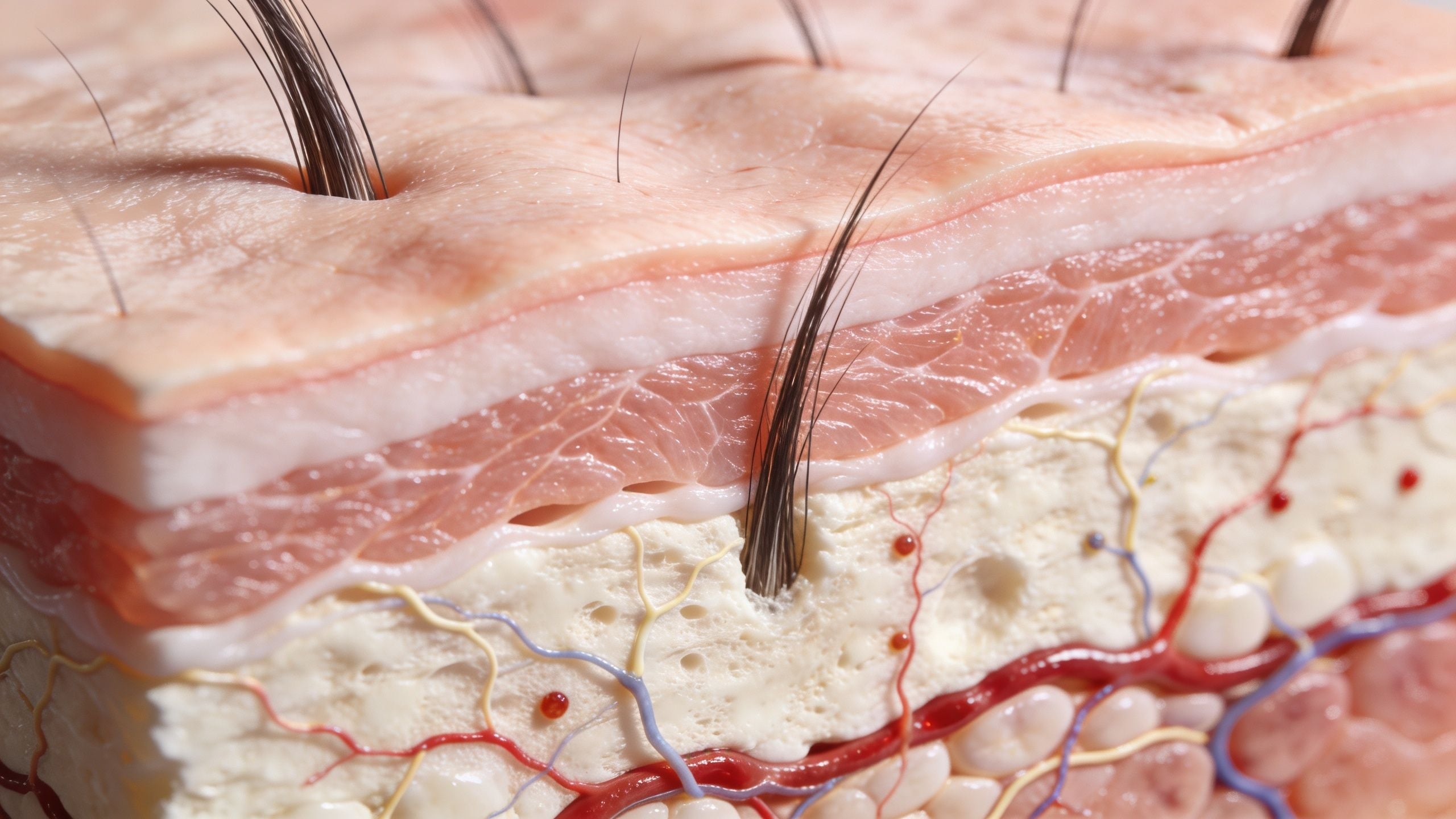
Think of skin as a high-function protective suit with layers that do different jobs. Those layers don’t just sit there. They absorb force, sense touch, manage moisture, and help tissue heal after stress or injury.
The epidermis
The epidermis is the outer layer. It’s the barrier you interact with every day. It helps keep pathogens out and moisture in.
In practical terms, this is the layer that takes the hit from friction, pressure, weather, athletic tape, and repetitive contact. When it gets disrupted, even a small crack or blister can change gait, grip, or exercise tolerance.
The dermis and hypodermis
Below that sits the dermis, a stronger and more active layer that contains connective tissue, nerves, blood vessels, and glands. Within it reside a lot of the skin’s flexibility and sensory function. When patients describe skin feeling hypersensitive, tight, or oddly numb around a scar, the dermis is often part of that story.
Under the dermis is the hypodermis, sometimes called the subcutaneous layer. It cushions the body, helps with insulation, and contributes to how tissues tolerate pressure and movement. In older adults, changes here can make the skin less resilient and more vulnerable during daily activity or prolonged sitting.
Thick skin and thin skin aren't the same problem
Skin structure changes depending on location. Thick skin can reach up to 6 mm on the palms and soles and lacks oil glands but has dense sensory receptors, while thin skin has a higher concentration of sebaceous glands, as described in this integumentary handout from Science Olympiad.
That distinction shows up in clinic all the time.
| Skin type | Where you see it | What matters in rehab |
|---|---|---|
| Thick skin | Palms, soles | Better built for load and grip, but still vulnerable to pressure, callus problems, and friction |
| Thin skin | Most other body regions | More prone to irritation, dryness, and shear-related injury |
Accessory structures matter too:
- Hair helps with protection and sensation.
- Nails protect the tips of fingers and toes and can reflect local trauma or systemic issues.
- Glands help regulate moisture, lubrication, and temperature.
Skin anatomy explains why a heel blister, a hand callus, and an abdominal scar don’t behave the same way under load.
That’s why PT recommendations have to be specific. Tissue on the sole of the foot can tolerate different forces than tissue near a healing incision. Good rehab respects those differences.
The Key Functions of the Integumentary System
When patients hear “integumentary system,” they usually think protection. That’s true, but it’s incomplete. This system also helps you sense the world, regulate heat, support metabolic health, and tolerate activity.
Protection and sensation
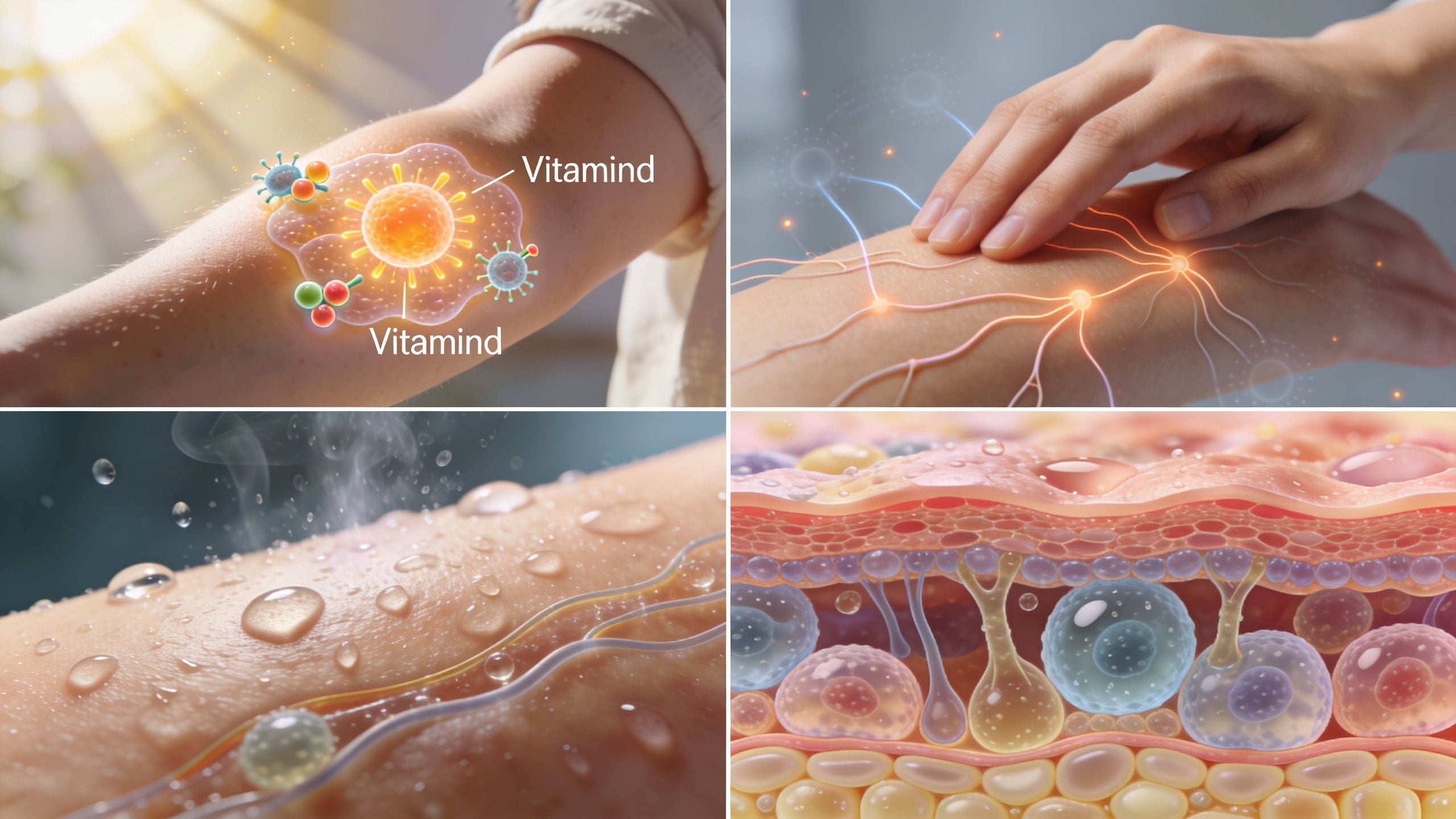
The first job is barrier protection. Skin reduces water loss and helps defend against outside irritants and microbes. In rehab, this becomes very real when someone has a surgical incision, repeated brace friction, or skin that’s breaking down from swelling or immobility.
It also gives you sensation. Skin helps detect pressure, temperature, and pain. If that feedback is altered, people may misjudge how much force they’re using or fail to notice harmful pressure points. That’s one reason patients with sensory changes need closer monitoring during return to activity.
Thermoregulation during exercise
The integumentary system also helps control body temperature. This isn’t a side note. It directly affects exercise performance and safety. Cutaneous blood flow can increase up to 50-fold during heat stress, and dysfunction from scar tissue or nerve damage can impair homeostasis during rehabilitation exercise, according to Physio-Pedia’s integumentary system review.
For a PT patient, that can mean heat intolerance, early fatigue, or slower recovery during sessions. I see this most often in people with large scars, altered sensation, or tissue that doesn’t sweat or perfuse normally.
If your skin can’t help manage heat well, your whole exercise program may need to be adjusted.
Excretion and vitamin D
Sweat glands also contribute to excretion, helping release water and other substances through sweat. That doesn’t replace the kidneys or liver, but it does remind us that skin is metabolically active.
Skin also plays a role in vitamin D synthesis when exposed to UV light. That matters for bone health and general recovery, especially in people who are less mobile or spending most of their time indoors.
For patients dealing with irritation, dryness, or a disrupted outer layer, practical skin care can support comfort while the tissue settles. A consumer guide on how to repair damaged skin barrier can be a useful starting point for general skin-care habits, though medical concerns like persistent wounds, infection, or post-surgical complications need clinical evaluation.
A healthy integumentary system does much, often unnoticed. You mostly notice it when one of these functions stops working well.
How Skin Conditions Affect Movement and Mobility
A runner gets a friction blister on the back of the heel and starts landing differently to avoid pain. Within days, the calf tightens and the knee gets irritated. The original problem is small and superficial. The movement changes aren’t.
That pattern is common. Skin problems don’t have to be dramatic to interfere with function. A tender incision can limit trunk rotation. A hypersensitive scar can make someone guard a shoulder. A pressure area on the foot can change balance and walking speed.
Scars, fragility, and stiffness
Post-surgical scars often look healed before they move well. The surface may close, but the tissue underneath can still feel tethered. When that happens near a joint, range of motion can stall. Patients often describe a pulling sensation rather than sharp pain.
If you’re dealing with that, this guide to managing surgical scar tissue explains why scars can restrict motion long after the incision looks better.
Aging adds another layer. Decreased subcutaneous fat, elastic fiber degeneration, and collagen stiffening contribute to wrinkling and sagging, while diminished wound healing and immunocompetence raise health risks, according to the NCBI review of the integumentary system. In plain terms, older skin often doesn’t tolerate shear, pressure, or adhesive products as well as younger skin.
Real-world movement problems
These are some of the most common ways skin issues alter mobility:
- After surgery the body may avoid stretching across an incision, which can reduce normal joint motion.
- With burns or grafted areas tissue can tighten as it heals, making it harder to extend, rotate, or reach.
- With fragile skin people may tolerate walkers, braces, shoe counters, or compression garments poorly.
- With chronic wounds or pressure injuries activity may need to be modified to protect healing tissue.
A skin problem becomes a movement problem as soon as you start compensating around it.
What doesn’t work is ignoring the compensation and only treating the “stiff joint” or “weak muscle.” What works better is addressing the mechanical restriction, protecting the tissue, and restoring normal movement together.
What a Physical Therapist Looks for in Your Skin
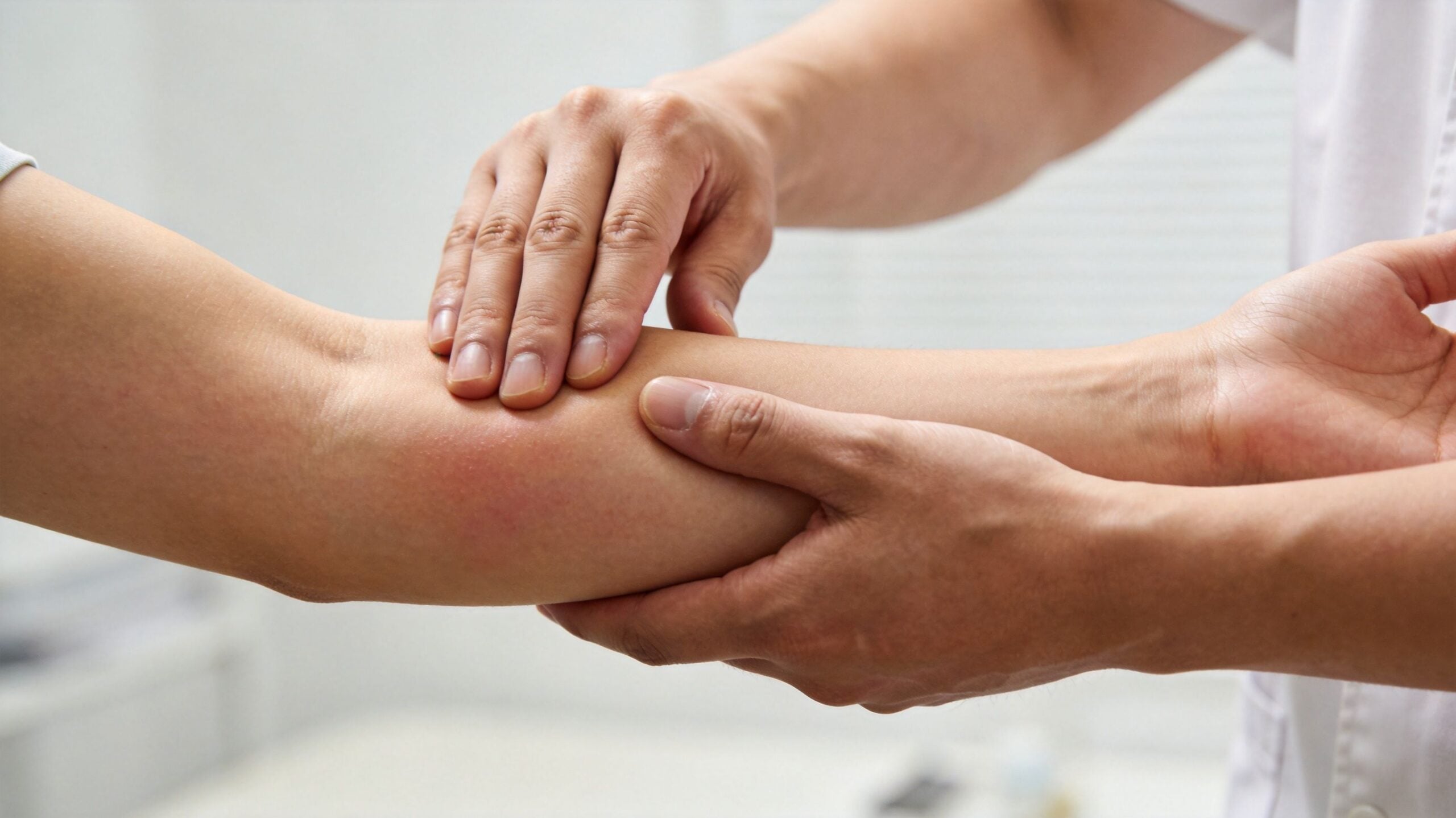
A PT skin assessment isn’t cosmetic. It’s functional. We’re asking whether the tissue can tolerate movement, pressure, sweat, stretching, manual work, and exercise progression.
Basic signs that guide treatment
A therapist usually starts with a close look at integrity, color, temperature, moisture, and texture. Those simple observations tell us a lot.
- Integrity means whether the skin is intact. We look for openings, blisters, pressure spots, peeling, or drainage.
- Color can suggest irritation, bruising, poor perfusion, or inflammation.
- Temperature helps identify areas that may be inflamed or not getting enough circulation.
- Texture and turgor offer clues about hydration, tissue health, and how resilient the skin is under stress.
These findings change treatment choices. If tissue is hot and reactive, aggressive manual work usually isn’t the move. If skin is fragile, we may change taping strategy, brace fit, exercise dosage, or the way pressure is applied during hands-on care.
Scar mobility matters more than appearance
Scar assessment goes beyond looking at the line itself. We check whether the scar moves over the tissue underneath, whether it feels thick or bound down, and whether touching it produces pain, numbness, or unusual sensitivity.
That matters because scar-related restrictions can influence pain in ways patients don’t always expect. A 2023 study in Physical Therapy found that 68% of chronic low back pain cases involved integumentary-related fascial dysfunction, which can stem from scar tissue adhesions after prior injuries or surgeries, as summarized in this interactive anatomy resource.
Here’s the practical takeaway:
| What a PT notices | Why it matters |
|---|---|
| Scar doesn’t glide | Movement may pull on surrounding fascia and limit range |
| Area is hypersensitive | Patients may guard and avoid normal loading |
| Skin is fragile or dry | Tape, braces, or manual work may need modification |
| Redness or drainage is present | Exercise or hands-on treatment may need to pause and a referral may be necessary |
Good rehab doesn’t start with, “Where does it hurt?” It also asks, “What is the tissue doing when you move?”
A referral is appropriate when the skin suggests infection, poor healing, unexplained color changes, rapidly worsening irritation, or a wound outside the therapist’s scope to manage independently. PT works best when skin findings are treated as useful clinical data, not background noise.
Physical Therapy Treatments for Skin and Scars
Treatment works best when it respects both biology and timing. Skin that is still healing needs protection. Scar tissue that has matured enough to tolerate load often needs movement. Mixing those up can slow recovery.
Hands-on treatment and loading strategies
For scars and adhered tissue, PT may use scar mobilization, myofascial release, soft tissue mobilization, or instrument-assisted techniques when appropriate. The goal isn’t to “break up” tissue by force. The goal is to improve glide, reduce sensitivity, and help the area tolerate normal movement again.
Exercise matters just as much as hands-on care. If a scar crosses the knee, shoulder, abdomen, or ankle, we often combine mobility work with gradual loading so the tissue learns to move under real demand. Doing only massage and skipping functional movement rarely holds. Doing only stretching on an irritable scar usually backfires.
Some clinics also use modalities selectively. Ultrasound for scar tissue is one example of a tool that may be used as part of a broader plan, not as a stand-alone fix. Highbar Physical Therapy provides scar-focused rehabilitation within general orthopedic and post-surgical care when skin and soft-tissue restrictions are limiting function.
What helps and what usually doesn't
A practical comparison makes this clearer:
Helpful approach
Gentle scar loading, graded mobility, desensitization, pressure management, and exercise matched to healing stage.Usually unhelpful
Aggressive stretching over reactive tissue, deep manual pressure too early, or ignoring the scar while chasing symptoms somewhere else.Useful adjuncts
Compression, silicone-based scar management, dressing considerations, and activity modification when tissue tolerance is low.Less relevant in PT
Cosmetic procedures aimed at surface appearance alone. If you’re curious about aesthetic options, a general consumer overview of effective TCA peels for radiant skin can explain what that category of treatment involves, but those approaches don’t replace rehab for restricted motion, pain, or functional scar adhesions.
What works is integration. Skin, fascia, muscle, and joint mechanics all influence one another. The treatment plan should reflect that.
Proactive Tips for Skin Health and Injury Prevention
Healthy skin supports healthy movement. That’s true for athletes, older adults, and anyone recovering from surgery or injury.
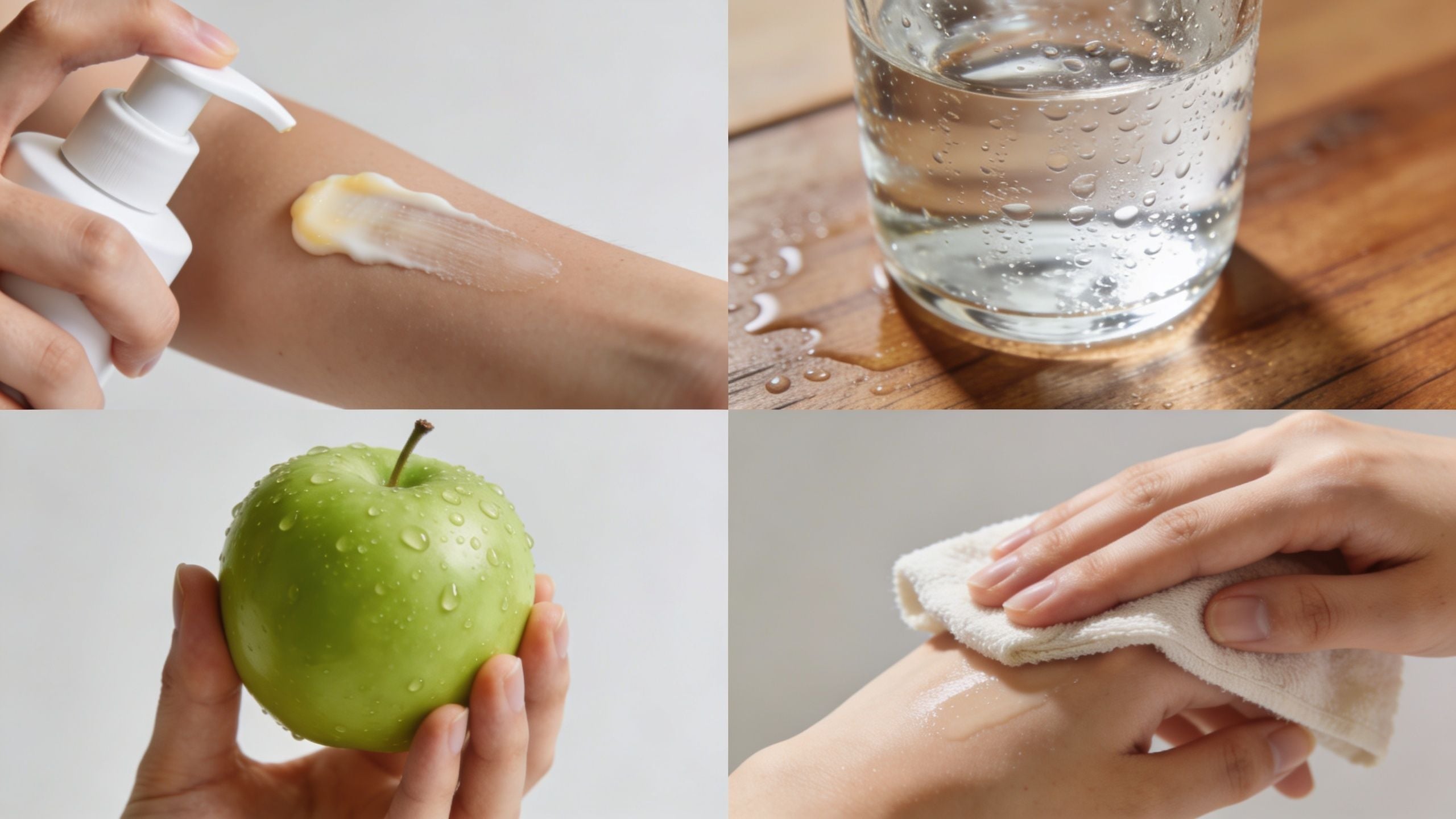
A few habits make a real difference:
- Protect high-friction areas before long walks, runs, or new footwear.
- Moisturize dry skin so small cracks don’t become painful movement problems.
- Check your skin regularly if you have altered sensation, swelling, diabetes, or a recent surgery.
- Respect scar timing and follow guidance on progressive mobility. This article on how to prevent scar tissue after surgery is a useful starting point.
- Use sun protection consistently when you’re outdoors. For a plain-language explanation of common sunscreen questions, Mesoderm RX on SPF and tanning is a practical read.
The goal of skin care in rehab isn’t appearance. It’s tissue that can tolerate life, exercise, and recovery.
If your skin feels tight, fragile, numb, hypersensitive, or stuck after an injury or surgery, don’t wait for it to “work itself out.” Surface issues often become movement issues long before people realize the connection.
If skin, scars, or wound-related stiffness are affecting how you move, a physical therapist can help you figure out what’s driving the problem and what to do next. Find a clinician at Highbar Physical Therapy to get a movement-based plan that addresses the tissue, not just the symptom.