A sports injury can change your week in a second. One awkward landing, one sharp pivot, one sprint that ends with a grab at the back of the thigh, and suddenly your routine is gone. Training stops. Games are on hold. Even stairs, sleep, and sitting through work can feel different.
That’s usually the moment people start looking for answers. Not abstract advice. Real guidance on what sport rehab physical therapy does, how recovery progresses, what a return to sport should look like, and how to choose care that matches the demands of the activity you want to get back to.
What is Sport Rehab Physical Therapy
Sport rehab physical therapy is specialized rehabilitation for athletes and active people who want more than basic healing. The target isn’t just to feel less pain walking around the house. The target is to return to the movements your sport demands, whether that’s cutting, sprinting, throwing, jumping, rotating, or absorbing contact.
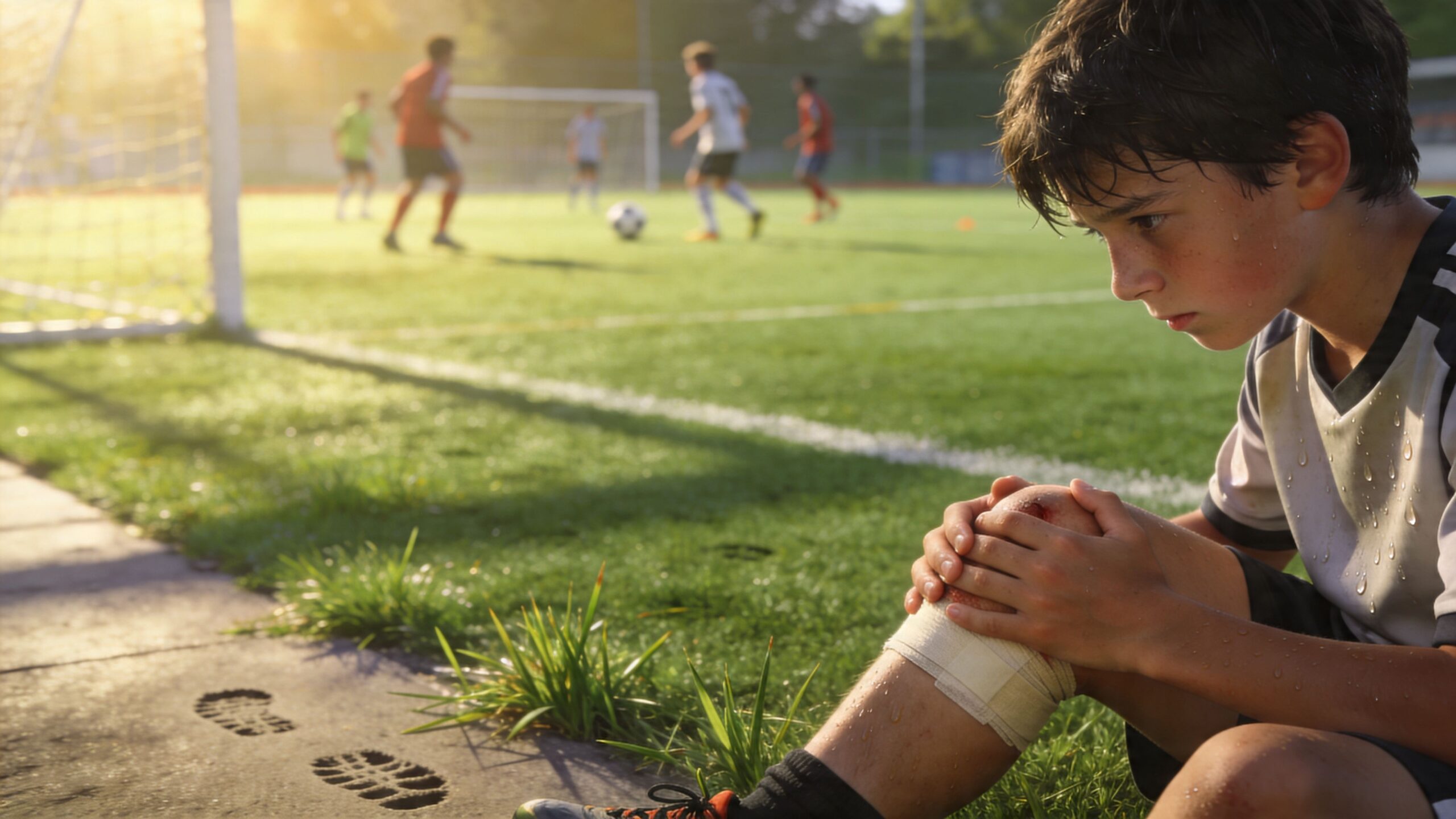
Sports injuries are common enough that they affect far more than competitive athletes. In the United States, sports and recreational injuries led to 3.2 million emergency department visits in 2021, and orthopedic care makes up 59% of all physical therapy services. Among patients ages 18 to 34, 91% reported physical therapy as helpful, according to Twin Boro Physical Therapy’s review of sports injury and PT utilization data.
More than pain relief
General rehabilitation and sport rehab physical therapy overlap, but they don’t finish in the same place. A person recovering from a back flare-up may want to sit, walk, and work comfortably. An athlete with that same back issue may need to deadlift, rotate, sprint, or tolerate repeated training loads without symptoms returning.
That difference matters because sport rehab asks harder questions:
- What does your sport require: acceleration, deceleration, overhead force, contact tolerance, or endurance?
- What does your body need to do again: produce force, control force, or repeat movement under fatigue?
- What still breaks down under stress: mobility, strength, balance, coordination, confidence, or pacing?
An active process
Good rehab isn’t something done to you. It’s a structured partnership between you and your physical therapist. Hands-on treatment can help, but exercise progressions, movement retraining, recovery planning, and return-to-sport testing drive most of the long-term result.
Sport rehab works best when treatment matches the actual demands of your sport, not just the name of your injury.
If you’re dealing with a sprain, strain, tendon pain, surgery recovery, or a nagging issue that keeps returning every season, sport rehab physical therapy is the process of rebuilding capacity so your body can handle your sport again.
The Core Goals of Sports Rehabilitation
A lot of injured athletes think rehab has one purpose. Get rid of pain. That matters, but it’s only the first checkpoint. If pain improves while strength, timing, landing mechanics, and workload tolerance stay poor, the injury often returns as soon as practice gets hard again.
A better way to think about sports rehab is to compare it to rebuilding a performance engine. You don’t just patch the damaged part and hope the machine holds together under race conditions. You inspect the whole system, fix what failed, and tune the parts around it so the same stress doesn’t create the same breakdown.
Goal one is calm the injury without losing the athlete
Early rehab protects healing tissue and settles the body down. Swelling, pain, loss of motion, and guarding all need attention. But stopping there is where many recoveries stall.
If the first phase lasts too long, athletes lose more than comfort. They lose rhythm, confidence, tissue tolerance, and sport identity. Good rehab respects healing, but it also keeps you moving in ways that are safe and useful.
Goal two is restore sport-specific function
An ankle may feel fine during daily walking and still fail during a hard cut. A shoulder may tolerate light lifting and still break down during repeated serves or throws. Sport rehab physical therapy builds toward the specific actions your sport requires.
That usually means restoring several layers of function:
- Mobility where you need it: enough joint motion to move efficiently
- Strength where you need it: not just bigger muscles, but usable force
- Control under speed: the ability to absorb and redirect load
- Repeatability under fatigue: because many injuries show up late, not early
Goal three is reduce the chance of doing this again
Rehab transforms into an investment rather than a repair bill. The strongest plans address the reason the injury happened, or at least the factors that made it more likely. Sometimes that’s obvious, like a rushed return after surgery. Sometimes it’s more subtle, like poor trunk control changing knee mechanics or calf weakness overloading the Achilles.
Practical rule: Being pain-free is not the same as being ready.
A complete rehab process usually includes:
- Tissue healing support through load management, mobility work, and symptom control
- Capacity rebuilding with progressive strength and conditioning
- Movement retraining so your mechanics hold up under faster, more chaotic demands
- Return-to-sport preparation that matches your position, level, and schedule
What doesn’t work well is the passive-only model. Heat, ice, stimulation, massage, and rest can all have a place, but none of them prepare a knee to cut, a hamstring to sprint, or a shoulder to throw repeatedly. Sports rehabilitation succeeds when it turns healing into performance-ready function.
Common Sports Injuries and How PT Helps
Sports rehab becomes easier to understand when you see how it applies to real injury patterns. The diagnosis matters, but so does the movement problem underneath it. Two people with the same label can need different plans if one lacks mobility and the other lacks force control.
Ligament sprains
A basketball player lands on another athlete’s foot and rolls an ankle. A soccer player plants and pivots, and the knee gives way. Ligament injuries often happen during sudden changes in direction, awkward contact, or fast deceleration.
Physical therapy focuses on restoring joint motion, reducing protective stiffness, rebuilding strength around the joint, and retraining proprioception, which is your body’s sense of position and control. That’s especially important after ankle sprains and ACL injuries, where athletes often feel unstable even after pain improves.
For these injuries, rehab usually includes:
- Balance retraining: single-leg work, unstable surface progressions, and landing control
- Strength rebuilding: calf, glute, quad, and hamstring loading based on the joint involved
- Movement correction: cutting, decelerating, and changing direction without compensating
Muscle strains
A sprinter reaches top speed and feels a sudden pull in the hamstring. A softball player notices a sharp quad pain while accelerating out of the batter’s box. Muscle strains often happen when tissue is asked to produce force quickly, especially at long muscle lengths or under fatigue.
The mistake many athletes make is resting until the pain fades and then jumping straight back into full speed work. That usually leaves the muscle underprepared for the exact demand that caused the problem.
PT helps by progressing load in stages. Early work may include range of motion, gentle activation, and pain-limited strength. Later stages build toward heavier resistance, eccentric control, and finally speed exposure. For runners, field athletes, and court athletes, this is also the point to look at training habits and mechanics. Articles on how to prevent running injuries can be helpful when repeated overload is part of the bigger picture.
Tendinopathies
A runner develops stubborn Achilles pain that’s worst at the start of a run. A tennis player gets lateral elbow pain during gripping and backhands. Tendon problems usually build gradually rather than appearing in one dramatic moment.
What works here is rarely complete rest. Tendons respond better to a plan that uses progressive loading. That means giving the tissue enough challenge to adapt without repeatedly flaring it up.
Common PT strategies include:
- Load dosing: adjusting intensity, volume, and frequency instead of stopping all activity
- Heavy slow strengthening: often the foundation of tendon remodeling
- Energy storage training: preparing the tendon for hopping, sprinting, or repetitive arm use
Tendon rehab rewards patience. Quick symptom relief matters less than consistent loading over time.
Post-surgical rehabilitation
Some athletes start rehab after surgery rather than before it. Meniscus procedures, rotator cuff repairs, and ligament reconstructions all need structured progression. Early care protects the repair and restores motion. Mid-stage rehab rebuilds muscle and control. Late-stage rehab reconnects the athlete to the sport.
This stage is where the gap between “surgical success” and “sport success” becomes obvious. A repaired structure isn’t automatically a prepared structure. Physical therapy bridges that gap by rebuilding strength, coordination, confidence, and workload tolerance in the order the body can handle.
Your Evidence-Based Treatment Plan
A good rehab plan answers a practical question right away. What is the main barrier keeping you from tolerating the next step of recovery?
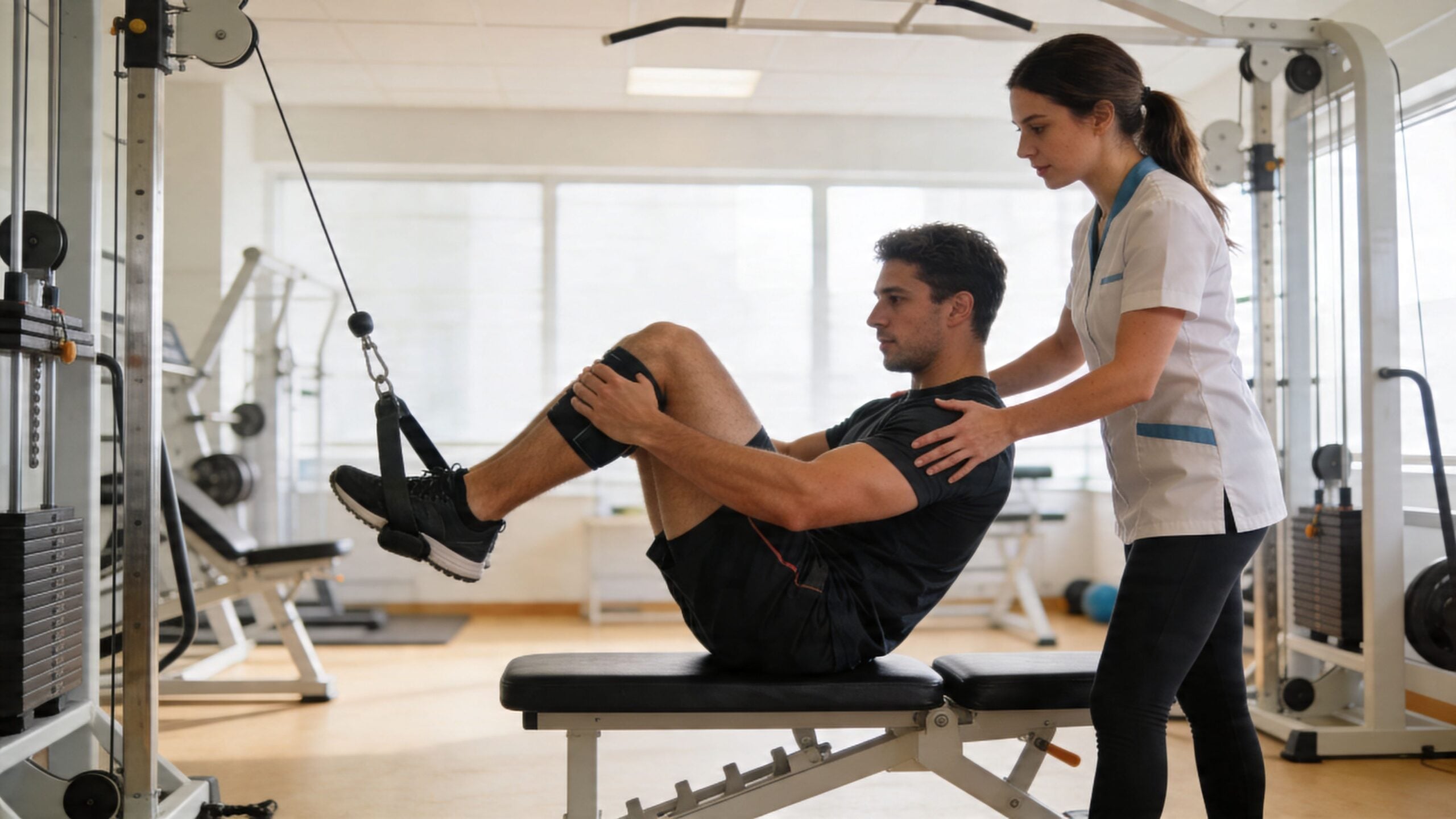
The first visit sets the direction
The first session should sort out the problem before it chases performance. That means identifying what tissue is involved, how irritable it is, what movements are limited, and what your sport will eventually demand from the area. A basketball player with ankle pain, a swimmer with shoulder pain, and a lifter with shoulder pain may share a diagnosis on paper, but the treatment plan should still look different.
A useful evaluation usually clarifies four things:
| Assessment focus | What the therapist is looking for |
|---|---|
| Symptom behavior | What brings symptoms on, what settles them, and how easily the area flares up |
| Mobility | Whether joint motion, muscle length, or tissue stiffness is limiting mechanics |
| Force production | Strength deficits, side-to-side differences, and poor load tolerance |
| Functional breakdown | What changes during squatting, landing, pushing, pulling, rotating, or sport-specific movement |
Those findings shape the early plan. Some athletes need swelling and pain under better control first. Others need motion before strength work becomes useful. Others need to stop avoiding load and start rebuilding capacity in a measured way.
What treatment usually includes
Exercise is the center of sports rehab. The exact mix changes by injury, healing stage, and sport, but the goal stays the same. Restore the physical qualities you need without irritating the tissue faster than it can adapt.
That often includes several pieces working together:
- Symptom management: reducing pain, swelling, guarding, or stiffness enough to let you move well
- Mobility work: restoring joint and soft tissue motion where restrictions are altering mechanics
- Strength training: rebuilding tissue tolerance and force production
- Motor control training: improving timing, coordination, balance, and positional awareness
- Conditioning: bringing your work capacity back so practice and competition are not a shock to the system
Hands-on treatment can help in the right situation. If pain, muscle guarding, or joint stiffness is blocking movement, manual therapy may create a short-term window where exercise feels better and looks better. The trade-off is that passive care does not build lasting capacity by itself. It supports the plan. It should not replace the plan.
Why the plan changes over time
A sound program is not a fixed sheet of exercises. It should change as your body changes.
Early on, the main target may be irritability. Midway through rehab, the target is often strength, control, and confidence under load. Later, the focus shifts to speed, repeated effort, and tasks that look more like the way you move in your sport. If your symptoms spike after every session, the dose is too high or the progression is poorly timed. If nothing is challenging anymore, the dose is too low.
That adjustment process matters just as much as the exercise selection. Good rehab is not about doing more. It is about doing the right amount at the right time.
Where technology and logistics fit
Advanced tools can improve decision-making when they answer a specific question. Dynamometry can help measure side-to-side strength. Force plates can show how you produce and absorb force. Biofeedback can make movement errors easier to see and correct. Blood flow restriction can be useful when an athlete needs a strength stimulus but cannot yet tolerate heavy loading.
According to Florida Sports Injury’s review of advanced PT methods, blood flow restriction, virtual reality rehab, and biofeedback may improve strength and functional progress in selected cases. Those tools are most helpful when the clinic can explain why they fit your stage of healing and how the results will change the plan.
The practical side matters too. Athletes miss progress when the program only works inside the clinic. A strong treatment plan accounts for your schedule, access to equipment, practice calendar, travel, and whether some visits should happen by telehealth for exercise review, load adjustments, or check-ins between in-person sessions. The best plan is one you can follow consistently, with enough support to keep it progressing from the clinic to the gym, the field, and home.
The Road Back to Your Sport
The hardest phase of rehab is often the one athletes rush. Pain is down. Daily life feels normal. Strength is better. That creates a false sense of readiness, especially if the sport involves high speed, contact, or repeated jumping and landing.
Return to sport should be a progression, not a clearance based on a calendar date or a gut feeling.
What the final phase actually looks like
Late-stage rehab connects clinic gains to sport demands. That means building from controlled tasks toward reactive, chaotic, and fatigue-sensitive tasks. A soccer player may move from double-leg strength work to single-leg power, then to linear running, then to cutting and deceleration, then to drills that combine scanning, decision-making, and contact.
A thrower follows a different path. Shoulder strength alone isn’t enough. The athlete needs sequencing through the trunk and hips, tolerance for repeated effort, and confidence at game speed.
Common late-stage progressions include:
- Jump and land drills: first controlled, then repeated, then directional
- Agility work: accelerating, stopping, cutting, and changing direction
- Sport simulations: position-specific drills that recreate game demands
- Practice re-entry: limited participation before full competition
Why objective testing matters
The return-to-play decision should rely on data. According to Net Health’s guide to sports rehab return-to-play testing, athletes who score above 90% on measures such as the single-leg hop test Limb Symmetry Index have a 50% to 70% lower re-injury rate. The same source notes that deficits greater than 10% in agility drills or strength tests are associated with higher risk of secondary injury.
That’s why good rehab uses measurable criteria instead of broad impressions. Therapists may use strength testing, range of motion comparisons, hop testing, agility drills, movement analysis, and patient-reported readiness measures.
Being cleared to play should mean you’ve met objective standards, not just that enough time has passed.
Sample sports injury recovery timelines
Recovery never follows a perfect script. The injury, the person, the sport, the surgery status, and the consistency of rehab all change the timeline. Still, phase-based planning helps athletes understand what usually has to happen before the next step.
| Injury Type | Initial Healing & ROM (Phase 1) | Strength Building (Phase 2) | Sport-Specific Training (Phase 3) | Return to Full Sport (Phase 4) |
|---|---|---|---|---|
| Ankle sprain | Restore swelling control, motion, and walking mechanics | Rebuild calf and lower leg strength, balance, and single-leg control | Add cutting, hopping, landing, and deceleration | Return after passing functional testing and tolerating practice demands |
| Hamstring strain | Settle pain, restore comfortable motion, reintroduce light loading | Progress eccentric strength and sprint preparation | Rebuild acceleration, top-speed exposure, and repeated efforts | Return when speed work and sport drills are symptom-free and controlled |
| Patellar or Achilles tendinopathy | Adjust painful load, manage irritability, maintain general activity | Build tendon capacity with progressive strength loading | Add jumping, bounding, and sport-specific elastic demands | Return when tendon tolerates training volume without persistent flare-up |
| ACL reconstruction | Protect graft, restore extension and flexion, normalize walking | Rebuild quad, hamstring, hip, and trunk strength with symmetry goals | Advance to running, hopping, agility, and cutting progressions | Return after meeting objective strength, hop, agility, and readiness benchmarks |
The safest comeback is usually gradual. Modified practice, monitored workload, and honest feedback beat the all-or-nothing return every time.
Managing Your Recovery and Expectations
The athletes who do well in rehab usually aren’t the ones with perfect motivation every day. They’re the ones who stay engaged when progress feels uneven. Recovery is rarely linear, and expecting it to be linear is one of the fastest ways to get frustrated.
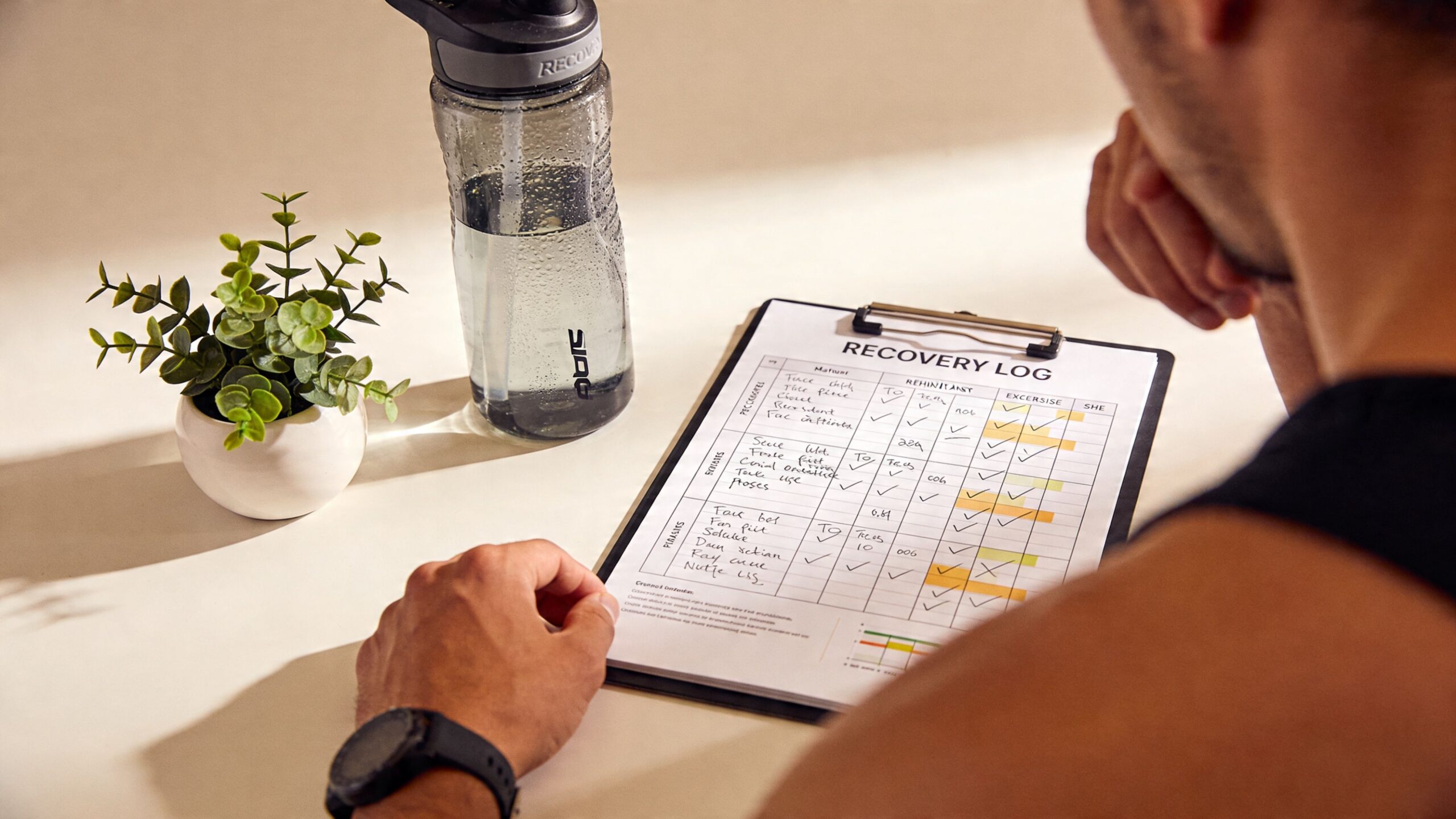
Consistency beats intensity
A home program doesn’t need to be dramatic to be effective. It needs to be done. Short, targeted sessions done on schedule usually outperform random bursts of effort followed by days of nothing.
Open communication matters just as much. If an exercise spikes symptoms, if life stress is affecting sleep, or if training volume changed outside the plan, your therapist needs that information. Rehab decisions are only as good as the feedback behind them.
A few habits make a big difference:
- Track your response: note soreness, swelling, confidence, and what activities changed
- Follow the dose: more isn’t always better, especially with tendon pain or post-surgical rehab
- Protect recovery basics: sleep, hydration, and nutrition influence how well you adapt to the work
If you’re trying to tighten up the nutrition side, a practical guide to foods that help muscle recovery can help you think beyond protein alone and support the overall rehab process.
The mental side is not separate from the physical side
Many injured athletes feel some mix of anxiety, irritability, loss of confidence, or fear of re-injury. That response is normal. It also affects movement. Athletes who don’t trust the injured area often move stiffly, hesitate, or avoid full effort long after tissue healing has progressed.
Structured rehab can support mental recovery too. A review summarized by this discussion of psychological gains in integrated rehab approaches notes that programs combining physical and psychological strategies have been associated with improved self-confidence and reduced anxiety. That matters because confidence isn’t a bonus outcome. It changes how an athlete loads, reacts, and returns.
You don’t need to feel fearless before every session. You do need a plan that rebuilds trust step by step.
For symptom-management choices outside the clinic, it also helps to understand what recovery tools can and can’t do. This overview of ice baths for sore muscles is useful if you’re trying to decide whether cold exposure belongs in your routine or is just adding discomfort without enough upside for your situation.
How to Choose the Right Physical Therapy Clinic
Not every clinic is built for sports rehab, even if it treats orthopedic injuries. If your goal is to get back to a sport, ask questions that go beyond convenience and insurance.
What to look for
Start with the therapist’s approach. You want someone who can explain why you’re doing what you’re doing, how they’ll measure progress, and how they’ll decide when to advance or hold back.
A strong clinic usually has several of these features:
- Relevant expertise: therapists with experience in sports injuries, post-surgical rehab, and return-to-play decision-making
- Objective testing: tools and processes that measure strength, symmetry, movement quality, and function
- Progressive exercise space: enough equipment and room to train beyond table-based treatment
- Individualized visits: care that adjusts to your sport, position, schedule, and response to load
A clinic should also be able to say what it won’t do. If the answer to every problem is rest, stretching, massage, or the same band exercises for every athlete, that’s a warning sign.
In-person care versus telehealth
Most athletes do best with in-person treatment during the early evaluation and the stages that require manual assessment, hands-on cueing, or equipment-based progressions. But telehealth can be very useful in the right circumstances.
Telehealth often works well for:
| Good fit for telehealth | Usually better in person |
|---|---|
| Exercise progress checks | First evaluation after an acute injury |
| Home program updates | Manual therapy needs |
| Load management discussions | Return-to-sport testing |
| Travel or weather disruptions | Complex movement retraining |
A blended model can work especially well for athletes balancing school, work, travel, and family obligations.
Questions worth asking before you book
You don’t need a perfect script. You do need clear answers. Ask:
- How do you measure progress during sports rehab?
- What does return-to-sport testing look like here?
- Will my program include sport-specific drills later in rehab?
- Can you coordinate in-person and virtual follow-up if needed?
- How much of each visit is one-on-one with a physical therapist?
If you’re comparing clinics and want a broader look at how modern Physical Therapy Clinics operate, that overview can help you understand the systems, tools, and care models different organizations may use.
The right clinic should make you feel challenged, informed, and involved. If you leave visits unsure what you’re working toward, that’s a clinic problem, not a patient problem.
Highbar's Approach to Sports Rehab in Your Community
When athletes look for care, the practical details matter as much as the treatment philosophy. You need a clinic that can evaluate the injury well, progress the work logically, and fit into real life. That includes location, scheduling, communication, and the ability to keep treatment moving when weather, work, or travel get in the way.
Highbar serves patients across Rhode Island and nearby Massachusetts with licensed physical therapists who evaluate, diagnose, and treat pain, injuries, and movement limitations through individualized care. Patients can book appointments without a physician referral, choose from clinic locations including Warwick, Westerly, South Kingstown, Smithfield, Tiverton, Warren, Worcester, and Sudbury, and use telehealth when travel is a challenge.
What that means for an injured athlete
The most useful part of a community-based sports rehab model is continuity. The same provider can help with the early injury phase, strength rebuilding, and the later transition back to sport. That makes it easier to connect day-to-day symptoms with bigger recovery decisions, especially when your sport schedule changes or a setback pops up.
Highbar also emphasizes measurable outcomes and patient education rather than passive treatment alone. That aligns with what athletes generally need most. A plan that explains the injury, gives clear next steps, and adjusts based on function instead of guesswork.
Structured sport rehab physical therapy has a strong track record when it’s done well. In a study summarized by O'Brien Physical Therapy’s review of sports rehab outcomes, over 73% of patients achieved functional recovery, 86% experienced significant pain reduction, and return to athletic activity occurred with re-injury rates as low as 8.8% in the program described.
When convenience supports better care
Access isn’t a minor issue in rehab. If appointments are hard to schedule, locations are too far away, or missed visits turn into long treatment gaps, progress usually slows. For many athletes and active adults, flexible scheduling and telehealth options aren’t perks. They’re what make consistency possible.
If you’re looking for a provider that offers sports-focused rehabilitation, post-surgical recovery, and performance-oriented progression, Highbar’s sports physical therapy page outlines how that care is structured.
A good clinic should help you understand where you are, what comes next, and what it means to be “ready”. That’s the standard injured athletes should expect.
If you’re ready to start moving forward, Highbar Physical Therapy can help you take the next step with individualized sport rehab physical therapy, clear recovery planning, and care options that fit real life.