The whole region has soccer on the brain. The World Cup is being played on home soil – Gillette Stadium is even hosting matches – Rhode Island FC has the Ocean State buzzing at Centreville Bank Stadium, and the Tartan Army made themselves at home in Providence and Boston long after Scotland bowed out, because that is what those fans do. It is a great summer to love this game.
It is also a great summer to pull a hamstring at a backyard barbecue. Between the pickup games, the garden, and the long drives to see family, New England summers find three reliable ways to leave you sore. Here is how to enjoy all of it and stay in the game.
The short version
Warm up before you sprint, garden, or road-trip. Playing soccer for the first time in years? Ease in and respect a ‘pop.’ In the yard, lift with your legs and switch tasks often. On the road, support your back and move every hour. If an ache lingers past a week or a joint feels unstable, a physical therapist can help – no referral needed in RI or MA.
So you want to be the Weekend Messi
Most summer soccer injuries do not come from bad luck – they come from a body that has not sprinted, cut, or kicked in months suddenly doing all three. A quick warm-up and an honest pace prevent the majority of them.
If the World Cup has you lacing up at a cookout or a pickup game, a few minutes of preparation goes a long way:
- Warm up for real. Five to ten minutes of jogging, leg swings, and a few build-up sprints wakes up the muscles you are about to ask for a lot.
- Start at 80 percent. Your skills may remember 2005; your hamstrings do not. Ease into full speed.
- Hydrate and sub out when you are gassed – most tweaks happen when you are tired.
Ache, or something more? Know the difference.
Normal: general soreness and stiffness for a day or two after playing. Keep moving gently and it settles.
Get it checked: a sudden ‘pop’ with swelling, a knee or ankle that feels unstable or gives way, sharp calf or back-of-heel pain, or not being able to put weight on it. Those can signal a muscle tear, a ligament injury such as an ACL, or an Achilles problem – worth a prompt evaluation rather than toughing out.
For the high school and college players
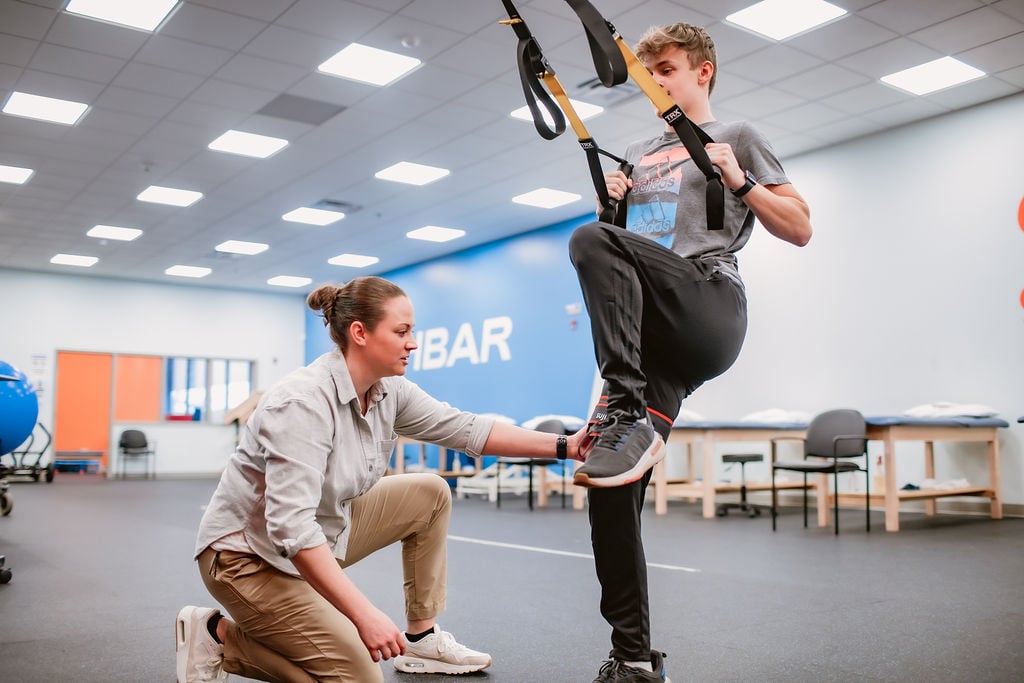
If you have a season starting soon, the prep you do now decides how the first two weeks feel. Build up gradually and warm up the same way every time.
- Ramp, don’t leap. Add running and touches over a few weeks instead of going zero-to-double-sessions.
- Use a real warm-up. Programs like the FIFA 11+ are proven to cut soccer injuries meaningfully – run through it before every session.
- Build the hamstrings and single-leg control now (moves like the Nordic hamstring curl lower hamstring-injury risk), and sort out any lingering niggle before preseason, not during it.
Why does my back hurt after gardening?
Gardening is a workout your body may not be warmed up for. Hours of bending, kneeling, and lifting load the lower back in the same positions over and over – the repetition, not one wrong move, is what leaves you sore.
- Warm up first, hinge at the hips and lift with your legs, and switch tasks every 20 minutes.
- Let the gear help: long-handled tools, a kneeler, and a wheelbarrow. Take breaks and hydrate.
How do I prevent aches while traveling?
Travel pain comes from staying still. Long stretches in a seat stiffen your joints, and hoisting luggage adds a sudden load.
- Support your lower back with a rolled towel, recline slightly, and move every 60-90 minutes.
- Lift bags in stages, ask for help overhead, hydrate, and use a neck pillow.
When should I see a physical therapist?
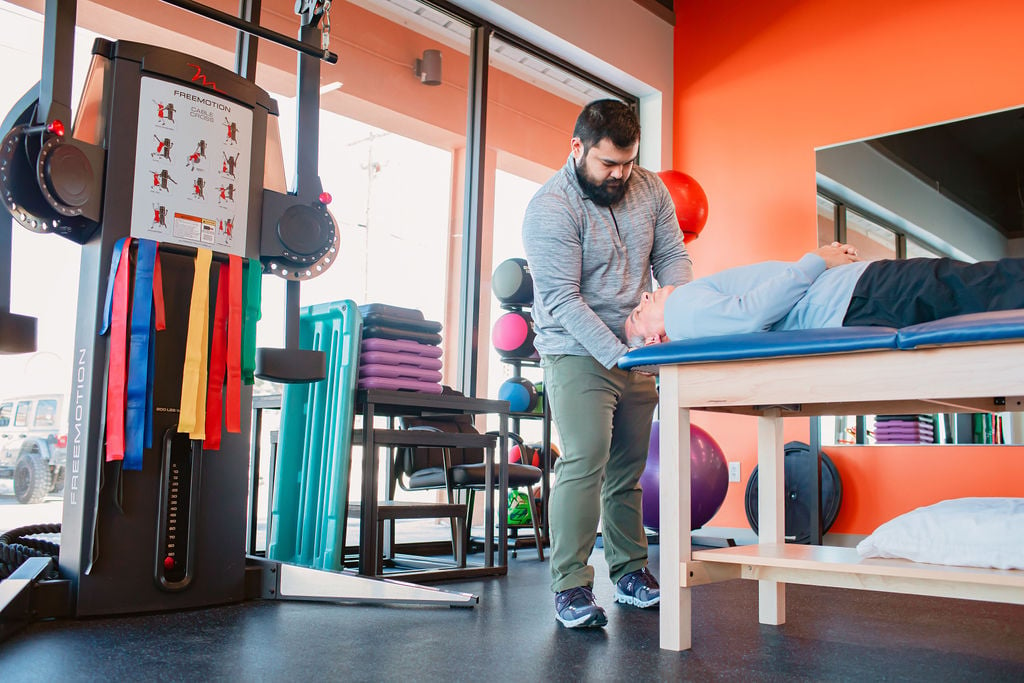
When pain lasts more than a week or two, keeps returning, or limits what you enjoy – and promptly for any ‘pop,’ swelling, or joint that gives way.
A physical therapist finds why it keeps happening and gets you moving again. In Rhode Island and Massachusetts, you can start without a physician referral, so help is faster than most people expect.
Stay in the game this summer. Find your nearest Highbar clinic and book online.
This article is for general educational purposes and is not a substitute for personalized medical advice, diagnosis, or treatment. Seek prompt care for a ‘pop’ with swelling, a joint that gives way, or inability to bear weight.
Frequently Asked Questions
How do I avoid getting hurt playing pickup soccer?
Warm up for 5-10 minutes with jogging and build-up sprints, start around 80 percent speed, hydrate, and sub out when tired. Most tweaks happen cold or fatigued.
Is it a pulled muscle or something worse?
Everyday soreness settles in a day or two. A sudden ‘pop’ with swelling, a joint that gives way, or not being able to bear weight can mean a tear or ligament injury like an ACL – get it evaluated.
How should a high school soccer player prepare for preseason?
Ramp running and touches gradually over a few weeks, use a proven warm-up like the FIFA 11+ every session, and build hamstring and single-leg strength beforehand.
Do I need a referral to see a physical therapist?
No. In Rhode Island and Massachusetts, direct access lets you start without a physician referral.