When a doctor first mentions a laminectomy, the primary concern is often the daily activities that have become difficult rather than anatomical details. Navigating a grocery store turns into a series of necessary pauses. Remaining upright long enough to prepare a meal causes significant discomfort. Rest is frequently interrupted by leg pain, numbness, or a sharp sensation extending through the buttock or calf.
That's usually the moment people start searching. They want one clear answer to a messy question. Is surgery really necessary, and if it is, what happens next?
A laminectomy can be a very effective operation for the right problem. It can also disappoint people who expect it to fix every kind of back pain. The difference often comes down to diagnosis, expectations, and the quality of the plan on both sides of surgery. Physical therapy matters before surgery because it helps confirm whether symptoms might still respond to conservative care. It matters after surgery because decompression alone doesn't automatically restore strength, movement control, or confidence.
What Is a Laminectomy and Who Is It For
A common story goes like this. Someone starts with back pain, then notices the pain is no longer staying in the back. It travels into the leg. Maybe the foot feels numb. Maybe walking gets easier if they lean forward over a shopping cart. They've already tried rest, medication, and being “careful,” but life keeps getting smaller.
A laminectomy is a surgery that creates more room for irritated spinal nerves. The surgeon removes part of the lamina, which is a piece of bone on the back of the spine. In simple terms, it's like removing part of a roof over a crowded hallway so the nerves underneath have more space.
That matters because nerve compression behaves differently from simple muscular soreness. The tissues that support your spine, including the back muscles, can become tight and guarded when nerves are irritated, but the primary problem in a true surgical case is often that the nerve doesn't have enough room.
A laminectomy is meant to decompress nerves. It is not a reset button for every source of back pain.
People who are usually considering this procedure have symptoms that suggest pressure on the nerves, not just local stiffness. That can include:
- Radiating pain into the leg or arm
- Numbness or tingling that follows a nerve pattern
- Weakness in part of the limb
- Walking intolerance because symptoms build with standing or walking
- Loss of function in daily activities that used to be manageable
The key point is fit. A laminectomy is for people whose symptoms and imaging line up with nerve compression, and whose day-to-day function has dropped enough that a decompression procedure starts to make sense.
Why Your Doctor Might Recommend a Laminectomy
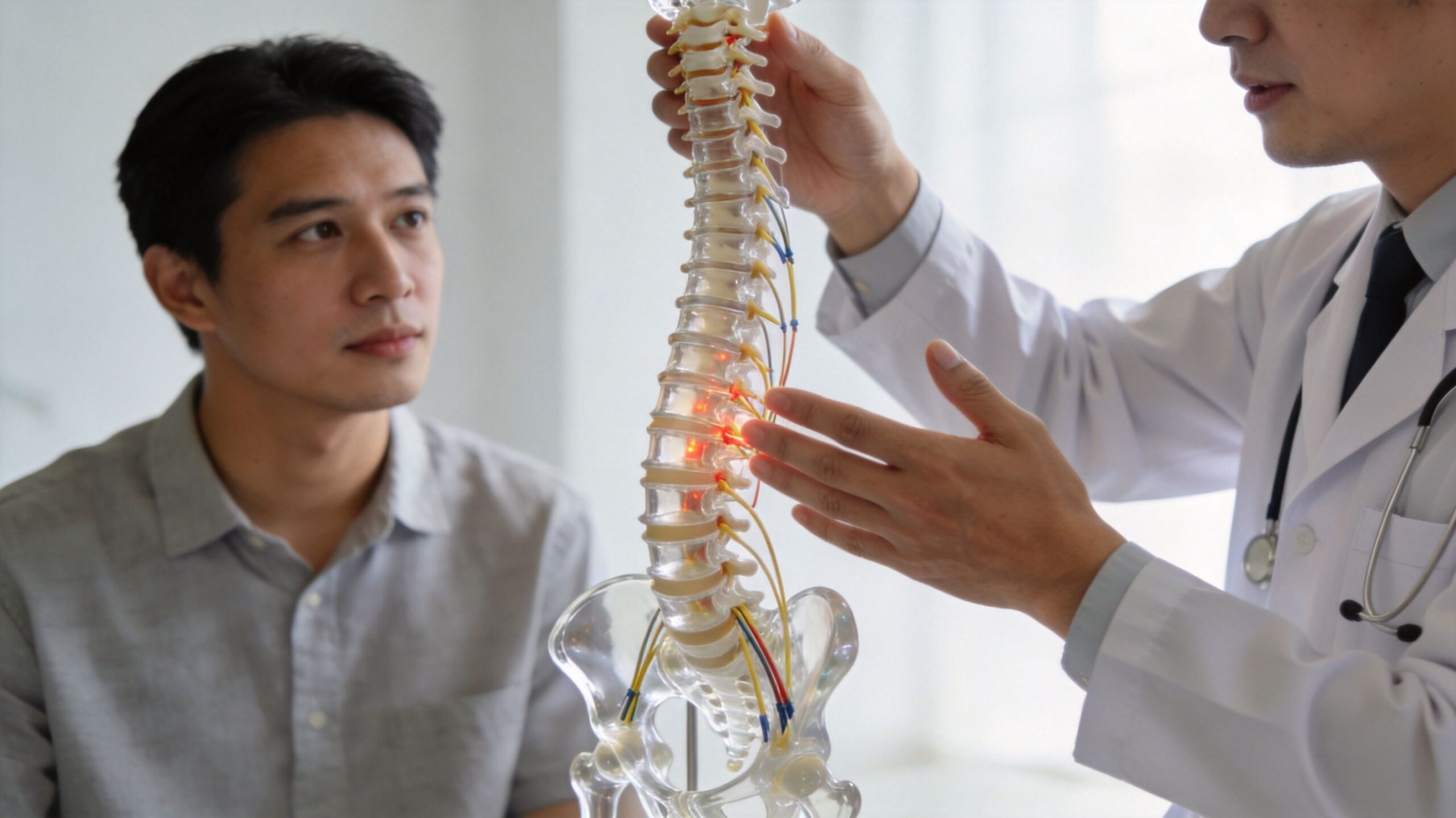
A laminectomy usually enters the conversation after a clear pattern shows up. The scan shows narrowing around a nerve, the symptoms match that level, and daily function keeps slipping despite appropriate nonsurgical care. In practice, I see this discussion most often with lumbar spinal stenosis, but it can also come up with certain disc problems, cysts, overgrowth of arthritic tissue, or injuries that reduce space for the nerve.
The decision is rarely based on imaging alone. Many adults have MRI findings that look dramatic and still function reasonably well. What matters more is whether the person in front of you says, “I cannot stand long enough to make dinner,” or “I have to sit after five minutes of walking because my leg goes numb.” That combination of symptom behavior and lost function is what makes surgery a serious option.
Patterns that make decompression more reasonable
Surgeons and physical therapists pay close attention to symptoms that suggest the nerve is being crowded, not just irritated tissue in the back. Common patterns include:
- Neurogenic claudication, which causes leg pain, heaviness, weakness, or fatigue with standing and walking, then eases with sitting or bending forward
- Radiculopathy, which sends pain along a nerve path into the buttock, thigh, calf, or foot
- Sensory changes, including numbness, tingling, or altered feeling in a specific distribution
- Motor changes, such as foot weakness, trouble lifting the toes, or a noticeable drop in walking tolerance
Those findings matter because decompression surgery is meant to improve the space around the nerve. It tends to make the most sense when the limitations are mechanical and predictable, not vague or constantly shifting.
Why physical therapy often comes first
A laminectomy is usually considered after a structured trial of conservative care. Healthgrades' discussion of who is a good candidate for laminectomy makes that point directly, and it is an important one.
Physical therapy does more than document that someone “tried PT.” Done well, it helps sort out whether symptoms are likely to improve without surgery, whether walking tolerance can be built back up, and whether the exam keeps pointing to nerve compression even after targeted treatment. That matters because surgery has trade-offs. It may reduce leg symptoms and improve function, but it does not guarantee a pain-free back, and it does not replace the work of recovery afterward.
Before surgery, PT can help answer several practical questions:
- Do symptoms improve with position changes, walking modifications, or movement-based treatment?
- Is weakness stable, or is it getting worse?
- Does the pain pattern fit a compressed nerve, or is it acting more like referred or mechanical back pain?
- Is function still declining even with appropriate exercise, pacing, and medical management?
That pre-surgical phase is one of the most overlooked parts of good decision-making. It can confirm that surgery is premature, or it can strengthen the case that decompression is reasonable because the right conservative care has already been tried and the problem remains limiting.
At that stage, the diagnosis usually gets sharper. lower back pinched nerve symptoms can overlap with stenosis, disc irritation, or pain referred from nearby structures. Careful PT testing helps separate those patterns before a surgeon commits to operating.
Clinical reality: The best surgical candidates are the ones whose symptoms, physical exam, imaging, and response to conservative treatment all line up.
For families comparing spinal conditions, it also helps to understand whether spinal alignment is part of the picture. In some adults, degenerative scoliosis contributes to narrowing and changes the treatment discussion. PosturaZen's insights on adult scoliosis offer useful background for those conversations with your surgeon and physical therapist.
The Laminectomy Procedure What to Expect

Most patients feel less anxious once they understand the sequence. A laminectomy is a planned, precise decompression procedure. The focus is to give the nerves space while protecting the structures around them.
Before and during surgery
On the day of surgery, the team reviews your history, imaging, medications, and the exact spinal level being treated. You'll receive anesthesia, and the surgeon will position you to safely access the spine.
In a classical laminectomy, the surgeon works through the back of the spine and removes the lamina to decompress three spaces: the central canal, lateral recesses, and neural foramina, as described in the StatPearls review of laminectomy. Think of it as clearing a crowded hallway, then making sure the side doorways and exits are open too.
That broader decompression matters because symptoms may come from narrowing in more than one location. If one area is opened but another remains tight, the patient may still have nerve irritation.
Open and minimally invasive approaches
Not every laminectomy looks the same. Some are done through a more traditional open approach. Others use minimally invasive tubular techniques. For a single-level classical case, the same StatPearls review notes that the posterior midline incision is typically 3 to 4 cm.
The trade-offs are practical:
- Open surgery gives the surgeon a wider direct view of the anatomy.
- Minimally invasive surgery can reduce tissue disruption and operative trauma.
- Technique selection depends on the level being treated, anatomy, surgeon experience, and whether there are other issues that also need to be addressed.
For patients trying to understand how spinal alignment or multi-level changes can affect planning, PosturaZen's insights on adult scoliosis are a useful companion read because they explain how spinal structure can shape symptom patterns and treatment choices.
What patients usually notice right after
After surgery, the immediate goal is safe mobility. Nurses and therapists typically help you get up, walk, and begin basic movement as soon as your surgeon allows. Some people notice leg symptoms improve quickly. Others feel sore from the procedure itself and need time to separate incision discomfort from the original nerve symptoms.
Early after surgery, “surgical pain” and “nerve relief” can overlap. That doesn't mean the operation failed. It means healing has phases.
What helps most in this stage is calm, consistent movement. What doesn't help is staying rigid in bed, testing the spine repeatedly, or assuming every sensation means something is wrong.
Success Rates Risks and Long-Term Outcomes
A common scenario looks like this. A patient wakes up after surgery and asks, “Did it work?” The honest answer is that the early signs matter, but the full answer takes time. Relief of leg pain, better walking tolerance, and less nerve irritation are good signs. A laminectomy tends to help most when the problem being treated is true nerve compression, not every form of back pain.
That distinction matters in clinic. Patients with pain shooting down the leg, numbness in a clear nerve pattern, weakness, or symptoms that worsen with standing and walking usually fit this surgery better than patients whose pain stays centered only in the low back. If the main issue is mechanical back pain without a strong compression picture, results are often less predictable.
What “success” usually means
Success after laminectomy is usually measured by function, not by a perfectly pain-free spine. I look for practical changes. Can you walk farther? Stand longer? Sleep with fewer nerve symptoms? Get through the day without the same level of leg pain, heaviness, or burning?
Some improvement can happen quickly. Long-term success depends on more than the operation itself. It also depends on whether the diagnosis was correct before surgery, whether nerve tissue had been compressed for a long time, and whether rehabilitation is handled with enough structure after surgery.
This is one reason I often talk about physical therapy as a bookend to surgery. Before an operation, good PT helps clarify whether symptoms are coming from stenosis and whether conservative care has been tried in a meaningful way. After an operation, PT helps patients rebuild walking tolerance, trunk control, confidence with movement, and daily capacity. That is one of the clearest ways to reduce the risk of the frustrating “surgery went fine, but I still never got back to living well” outcome that families often fear.
Risks patients should understand clearly
Every spine surgery carries risk, even when the procedure is appropriate and carefully performed. The main concerns discussed before laminectomy usually include:
- Infection
- Bleeding
- Blood clots
- Nerve irritation or nerve injury
- A tear in the tissue around the nerves, which can lead to spinal fluid leakage
- Ongoing symptoms or symptoms that return later
Most patients do not need to memorize a complication list. They do need a realistic frame. A technically successful surgery can still be followed by soreness, stiffness, temporary symptom fluctuations, and a slower-than-hoped-for recovery. Those findings do not automatically mean something went wrong. They do mean the recovery plan has to be followed closely, especially in the first several weeks.
I also encourage families to separate “improving” from “fully recovered.” The Bell Law guide to medical improvement explains that difference well in plain language. In rehab, that concept matters because patients often feel discouraged when progress is steady but incomplete.
Long-term outcomes and the real trade-offs
The long view is usually favorable when surgery matches the diagnosis. Many patients maintain meaningful relief in leg symptoms and function for years. The trade-off is that surgery removes pressure from nerves. It does not stop the rest of the spine from aging, and it does not automatically restore strength, endurance, balance, or movement habits.
That is why I am careful with the phrase “fixed.” Decompression can create the conditions for improvement. It does not replace the work of recovery.
Some patients do very well for a long time with no major setbacks. Others need later treatment because adjacent levels continue to degenerate, scar tissue contributes to symptoms, or old movement patterns return and limit progress. When people hear the term failed back surgery syndrome, they often assume it means the operation itself was done poorly. In practice, the picture is usually broader. Persistent pain after spine surgery can reflect residual nerve sensitivity, deconditioning, fear of movement, untreated hip or pelvic contributors, or a rehab plan that was too generic or too brief.
Expectations need to be mature and specific. The goal is usually meaningful improvement in pain, walking, sleep, and daily function. The goal is not a guarantee that the spine will feel young again or that no future care will ever be needed. Patients who understand that trade-off, and who commit to a structured rehabilitation plan, usually handle the recovery period with less fear and better follow-through.
The Road to Recovery A Week-by-Week Timeline
The first week after a laminectomy often feels less dramatic than patients expect. Leg pain may ease early, but the back usually feels sore, stiff, and cautious. A family member may look at you walking to the bathroom on day one and assume you are almost back to normal. You are not. You are in the protection phase, and good decisions here make the next month easier.
Recovery is usually gradual. I tell patients to judge progress by what they can do a little more comfortably each week, not by whether every symptom is gone. Your surgeon's instructions take priority, especially if your operation included a fusion, revision surgery, or treatment at more than one level.
A practical week-by-week outline
| Timeframe | What recovery usually focuses on | Common restrictions |
|---|---|---|
| First 24 to 48 hours | Getting out of bed safely, short walks, using the bathroom, incision checks, pain control | Avoid bending, twisting, and lifting unless your surgical team gives different instructions |
| Days 3 to 7 | Walking several times per day, improving transfers, finding comfortable sleep and sitting positions, reducing reliance on help for basic tasks | No heavy lifting, no repeated spinal bending, protect the incision, avoid long sitting bouts |
| Week 2 | More confidence with home movement, steadier walking tolerance, less surgical soreness, basic self-care with fewer flare-ups | Do not rush chores, yard work, or driving unless cleared, and avoid pushing through fatigue |
| Weeks 3 to 6 | Better walking endurance, light household activity, improved stamina, possible start of formal rehab depending on the surgeon's plan | Limit loaded bending, twisting, vacuuming, laundry baskets, and sudden spikes in activity |
| After 6 weeks | Return to more routine daily tasks, progressive strengthening, longer walks, more normal movement patterns with guidance | Restrictions vary based on symptoms, healing, and the details of your procedure |
Some homes need a few temporary changes. If bed height or transfers are a real obstacle, equipment can reduce strain during the first part of recovery. Families sometimes look into Affinity Home Medical hospital beds when a standard setup makes sleep and transfers harder than they need to be.
What usually helps
The goal is regular movement without provoking the surgical area.
- Short, frequent walks build tolerance better than one long effort
- Log rolling reduces twisting when getting in and out of bed
- Position changes every 30 to 45 minutes help with stiffness and nerve irritability
- Simple daily tasks done with good body mechanics rebuild confidence without overloading healing tissue
What commonly slows people down
A few patterns create trouble in this phase.
- Sitting too long, especially in soft chairs or recliners that are hard to get out of
- Using a good day as a test day for cleaning, shopping, or lifting
- Repeated bending to check the incision or pick up small items
- Waiting for pain to disappear before resuming normal walking
Scar tissue is another reason recovery can feel uneven. Some stiffness and pulling are expected as tissues heal, but persistent restriction around the incision and nearby muscles can affect motion and comfort. This overview of how surgical scar tissue can affect movement and recovery helps explain why mobility work and progressive rehab matter after the wound closes.
One more point matters here. A laminectomy can create space for the nerve, but the weeks after surgery determine how well your body uses that change. Patients who walked before surgery, practiced sensible body mechanics, and understood their exercise plan often recover with less fear and fewer setbacks. In clinic, I also see the opposite. Patients who rest too much early on or try to power through too quickly are more likely to have a choppy recovery.
Expect progress in layers. First, safer movement. Then better walking. Then more normal daily function. That is the timeline most families can plan around.
Your Post-Laminectomy Physical Therapy Plan
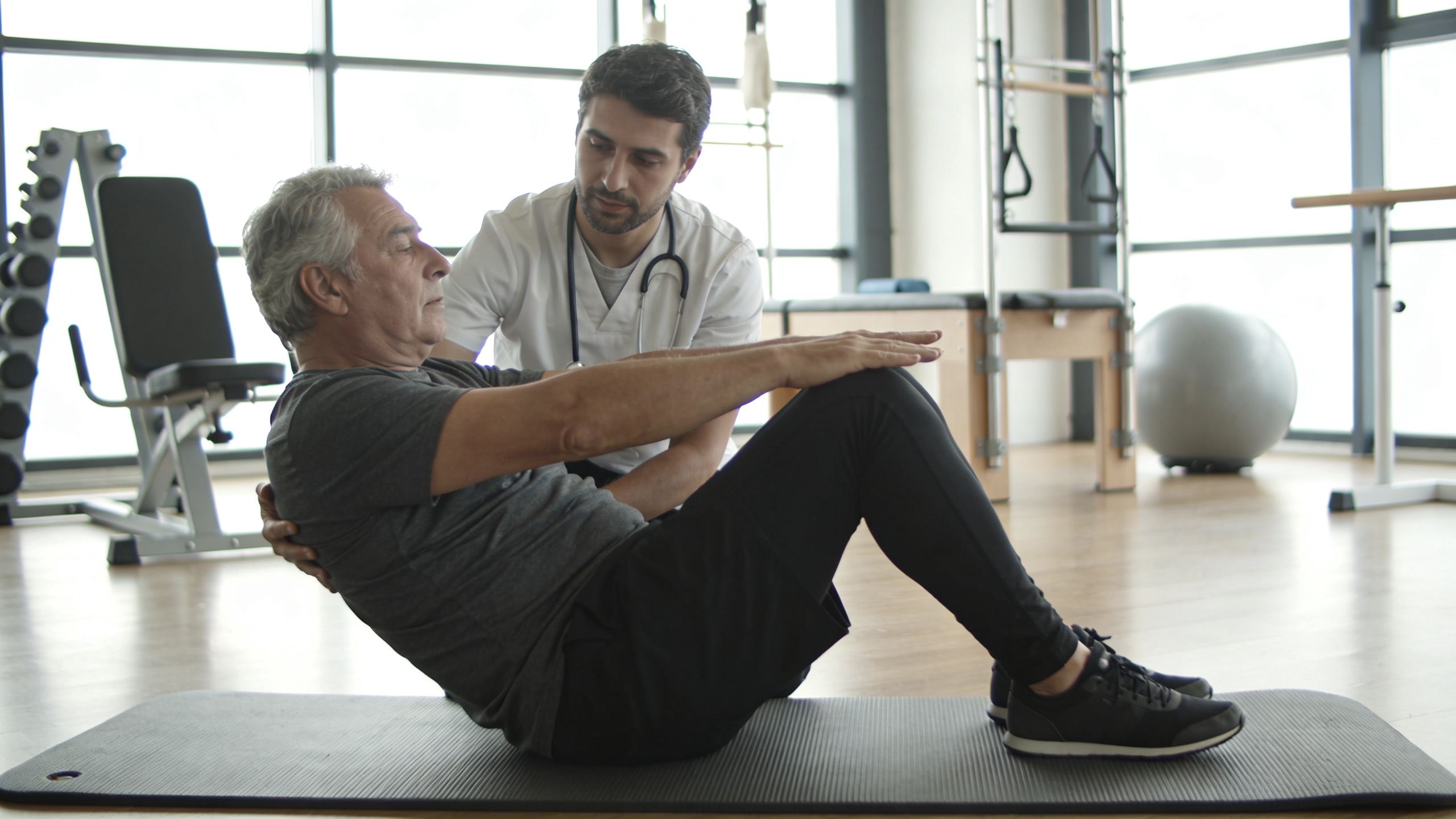
A laminectomy can create room for an irritated nerve. Physical therapy helps you turn that surgical change into better walking, safer movement, and more reliable function at home and at work.
That distinction matters. I have treated patients whose scan looked better after surgery, but their recovery stalled because no one rebuilt strength, movement control, or activity tolerance. I have also seen the opposite. Patients who went into surgery with a clear rehab plan and followed a structured progression usually understood what to expect and had fewer setbacks when symptoms fluctuated.
That is one reason I encourage physical therapy both before and after surgery. Pre-surgical PT often helps confirm that nerve compression is the primary driver of symptoms and shows what has not improved with conservative care. After surgery, PT gives the spine and nervous system a graded path back to normal activity. That is one of the best ways to reduce the risk of the persistent pain patterns often grouped under post-laminectomy syndrome. The Hospital for Special Surgery overview of post-laminectomy syndrome explains why persistent pain after back surgery is rarely just a wound-healing issue.
Early PT goals: protect healing tissue and restore basic movement
The first phase should look simple. Simple is appropriate.
Early visits usually focus on walking, position changes, gentle abdominal and hip muscle activation, and learning how to move without guarding every step. The purpose is to keep you from getting stuck in bed, but also to keep you from doing too much too soon. Both mistakes can slow recovery.
Typical early priorities include:
- Walking progression to build tolerance without much spinal load
- Breathing and trunk coordination so you are not over-bracing through the chest, shoulders, and low back
- Glute and abdominal activation to support standing and gait
- Transfer practice for bed mobility, sit-to-stand, car transfers, and stairs when needed
Patients sometimes worry that these exercises seem too easy. Early rehab is supposed to be controlled. The right starting program calms symptoms, restores confidence, and gives the surgical area time to heal while the rest of the body stays active.
Mid-stage rehab: rebuild control, not just motion
Once the incision is healing well and the surgeon clears progressive exercise, therapy should become more functional. At this point, the question is no longer whether you can move at all. The question is whether you can move well enough to handle daily life without repeatedly irritating the area.
This stage often includes:
- Core stabilization in positions you can control well
- Hip strengthening to reduce excess demand on the lumbar region
- Movement retraining for squatting, hinging, reaching, stair climbing, and carrying
- Endurance work so walking, errands, and household tasks stop feeling like major events
This is also the point where people can misread their symptoms. Leg pain may improve faster than numbness or odd sensory changes. Some stiffness around the incision and nearby muscles is expected as tissues heal. If mobility starts to feel limited by pulling or sensitivity, education about how surgical scar tissue can affect movement after surgery can help you understand what is normal and what deserves attention in therapy.
Late-stage rehab: train for your real life
Many patients stop rehab as soon as pain drops and the incision closes. That is often too early.
Daily life places demands on the spine that basic home exercises do not fully prepare you for. Lifting laundry, loading groceries, standing to cook, driving for long periods, returning to a job, or picking up a grandchild all require load tolerance, balance, coordination, and pacing. If therapy ends before those demands are practiced, patients are more likely to flare up when normal life resumes.
A good final phase should include:
- Progressive strength work
- Practice with bending and lifting mechanics
- Rotational control
- Return-to-work or return-to-hobby drills
- A home program you can continue without supervision
The trade-off here is important. Advancing too slowly can leave you weak and fearful of movement. Advancing too quickly can spike pain and make you back away from activity again. Good PT threads the middle. It builds capacity without turning every increase in soreness into a setback.
What a good PT plan should include
A useful post-laminectomy program is individualized. It should match your surgery, your current symptoms, your home demands, and your goals.
What usually helps:
- gradual increases in activity
- clear rules for symptom monitoring
- strengthening that progresses over time
- repeated practice of everyday tasks
- honest education about what recovery feels like
What usually causes problems:
- handouts with no progression or supervision
- waiting until you are deconditioned to start formal rehab
- relying only on passive treatments
- avoiding bending forever
- assuming the spine is ready because the incision looks healed
Highbar Physical Therapy is one outpatient option for post-surgical rehab, including spine-focused and post-operative care. The clinic matters less than the plan. Look for a therapist who can explain why each phase matters, progress activity based on your response, and prepare you for the tasks that make up your day.
The goal at discharge is straightforward. You should not only hurt less. You should know how to walk, sit, lift, exercise, and manage normal flare-ups with a plan that makes sense.
Pain Management and Surgical Red Flags
Pain control after laminectomy should help you move, sleep, and breathe normally. It should not keep you stuck in bed. Most patients do best when they use medication exactly as prescribed, begin tapering narcotic medication under medical guidance when appropriate, and pair that plan with gentle walking, comfortable positioning, and ice if their surgeon approves it.
A few practical strategies help at home:
- Use medication on schedule early on if your surgeon prescribed it that way, rather than waiting for pain to spike.
- Ice the area as directed to reduce post-operative soreness.
- Change positions often because prolonged sitting usually feels worse than short, frequent movement.
- Use pillows strategically to support side lying or reduce strain when resting on your back.
Call your surgical team right away, or seek urgent medical care, if you notice any of the following:
- Fever, redness, warmth, or drainage around the incision
- New or worsening weakness in the leg or foot
- Rapidly increasing numbness
- Loss of bladder or bowel control
- Severe pain that is uncontrolled despite following instructions
- A sudden change in walking ability or balance
Most post-operative discomfort is expected. Progressive neurologic changes are not.
A laminectomy can be a turning point, especially when the problem is true nerve compression and the recovery plan is taken seriously. The operation creates room. Your daily habits and rehabilitation determine how well you use it.
If you're preparing for a laminectomy or recovering from one, working with a physical therapist can help you rebuild strength, restore movement, and reduce the risk of lingering problems. You can find a PT through Highbar Physical Therapy to take the next step toward feeling better, moving freely, and living fully.