Back pain often shows up in the middle of ordinary life. You bend to pull weeds in the garden, lift a toddler into a car seat, or stand up after a long drive home from the Cape, and your lower back reminds you that something isn’t right.
That moment can make everything feel smaller. Walks get shorter. Sleep gets lighter. Even simple jobs like putting on shoes or unloading groceries start to feel like a calculation.
The good news is that movement is often part of the answer. The key is using the right movement at the right time. A smart home program can calm an irritated back, restore motion, and build the strength that keeps pain from returning. A careless program can do the opposite.
This guide takes the same approach a physical therapist would use in clinic. Start with safety. Then restore gentle motion. Then build support through the hips and trunk. If you’re active and want to return to running, golf, tennis, lifting, or weekend projects around the house, progression matters just as much as the first stretch.
That Familiar Ache An Empowering Approach to Back Pain
A lot of people try to “wait out” back pain for a few days. That’s understandable. The ache feels mechanical, so it seems like rest should fix it.
Sometimes a little unloading helps. But full shutdown usually doesn’t.
What back pain looks like in real life
In New England, back pain tends to collide with regular routines. It shows up after a long commute on I-95, after raking leaves in the fall, after shoveling the first heavy storm, or after spending a Saturday walking on uneven coastal paths and standing at youth sports fields.
It also shows up in quieter ways. You sit through a workday and feel stiff when you stand. You roll in bed and catch a sharp pull. You reach into the washing machine and hesitate because you know that motion might trigger it again.
Those details matter because back pain isn’t just about the back. It changes how you move, brace, sleep, work, and trust your body.
What tends to work and what usually doesn’t
Many individuals don’t need a heroic workout. They need a plan that matches the irritability of the problem.
What usually helps:
- Gentle, repeatable movement that reduces guarding
- Short home sessions you’ll consistently do
- Progressive strengthening once pain settles
- Attention to symptoms so you know when to stop and get help
What usually doesn’t help:
- Pushing through sharp pain
- Jumping straight to planks or heavy lifting during a flare
- Doing random stretches from social media
- Resting completely for too long
The best home program is the one your back tolerates today and your body can build on next week.
That’s the core point of back pain relief exercises at home. Not to collect a bigger list of movements, but to choose a few that match your current stage and move you toward fuller function.
Before You Start A Crucial Safety Screen for Your Back
Before trying any exercise, check whether your symptoms fit a home program at all. This step gets skipped in many articles, and it shouldn’t.
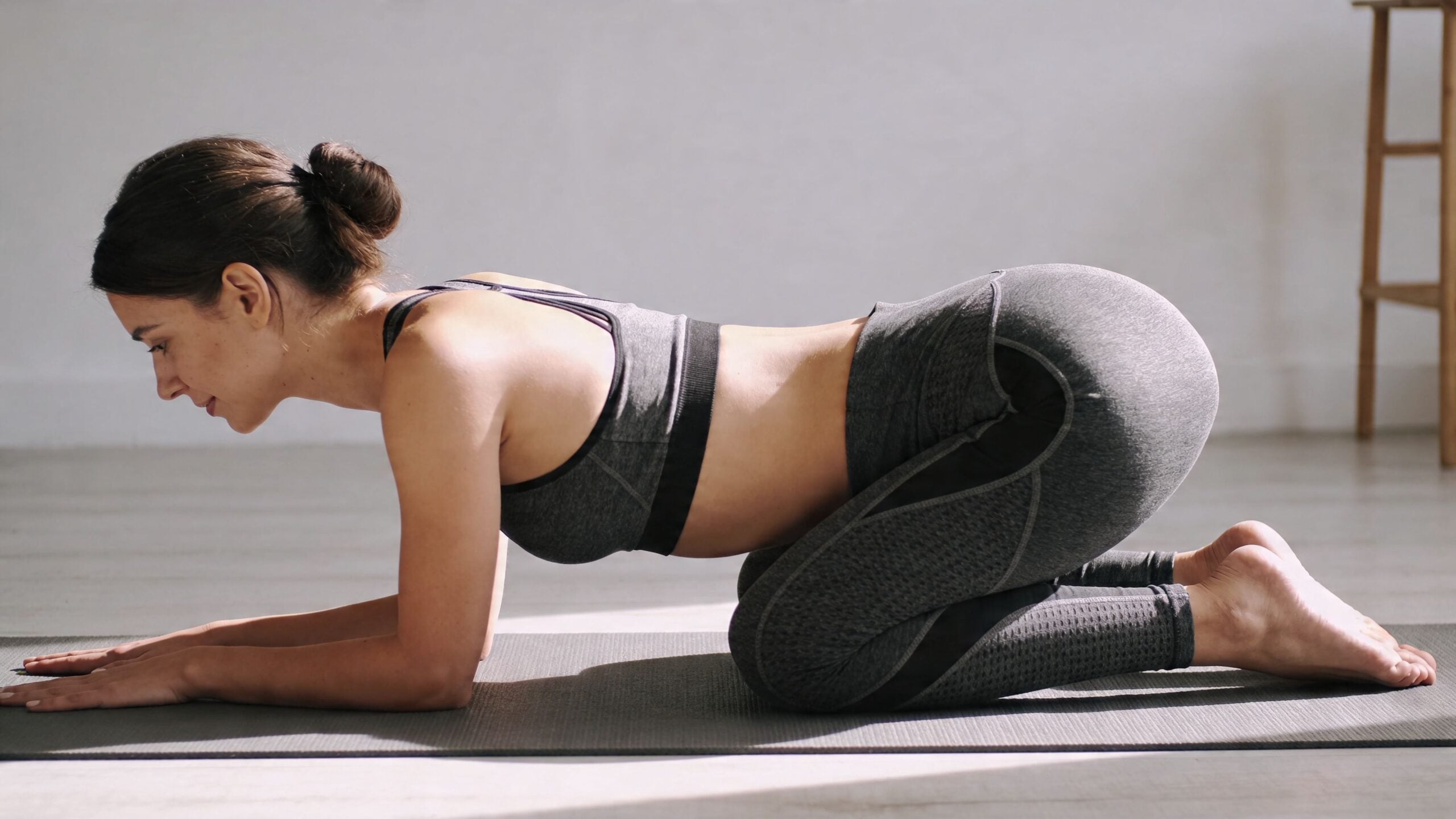
Know the difference between sore and concerning
A typical muscular flare often feels local. The pain may sit across the lower back, feel stiff in the morning, and ease a bit as you start moving.
A more concerning pattern includes symptoms traveling away from the spine, especially down the leg. Up to 80% of acute low back pain resolves within 6 weeks, but improper exercises can prolong recovery or lead to chronicity in 20-30% of cases, according to Mayo Clinic’s guidance on back pain.
That matters because not every back problem responds to the same movement strategy.
Stop and get professional help if you notice these signs
Get evaluated promptly if you have pain radiating below the knee, numbness, or weakness in the leg. Those symptoms can point to sciatica or another condition that needs a more specific plan.
A few patterns deserve extra caution:
- Radiating pain: Pain that shoots or travels into the buttock, thigh, calf, or foot needs more thought than a simple strain. If you’re not sure what this means, this explanation of radiating pain can help you identify the pattern.
- Numbness or tingling: A pins-and-needles feeling in the leg or foot suggests the nervous system may be involved.
- Weakness: Trouble lifting the foot, pushing off, or climbing stairs normally is not something to ignore.
- Loss of bowel or bladder control: This needs immediate medical attention.
- Pain that sharply worsens with movement: If even gentle motion consistently escalates symptoms, stop the program and get assessed.
Acute pain versus chronic pain
Acute pain usually starts after a clear event or after doing more than your body was ready for. Chronic pain hangs around longer, often with cycles of good and bad days.
That distinction changes how you should think about exercise.
For acute pain, the early focus is calming things down. You want motion that reduces stiffness without provoking the area.
For chronic pain, the work often shifts toward rebuilding tolerance. That means restoring confidence in bending, standing, walking, carrying, and rotating, not just stretching the same tight spot over and over.
A quick self-check before you begin
Use this simple screen:
- Can you walk around the house without symptoms rapidly increasing?
- Is your pain mostly local to the back rather than traveling below the knee?
- Do gentle position changes help a little, rather than make things much worse?
- Can you breathe normally and relax while moving, instead of bracing hard the whole time?
If the answer is yes to most of those, a gentle home routine may be appropriate. If the answer is no, especially with leg symptoms or worsening pain, get evaluated first.
Home exercise should make your symptoms feel more organized, not more chaotic.
The Foundation Gentle Mobility and Warm-Up Exercises
When your back is irritated, the first job isn’t building a stronger six-pack. It’s reducing guarding and getting normal movement back.
Research cited in this summary of home stretches for lower back pain relief found that home stretching and strengthening can produce a 52.5% significant reduction in pain intensity. The same source notes Harvard Health recommendations for pelvic tilts held for 5-10 seconds for 5-10 reps and knee-to-chest stretches, with a reminder to start with 2-3 reps if symptoms are still sensitive.
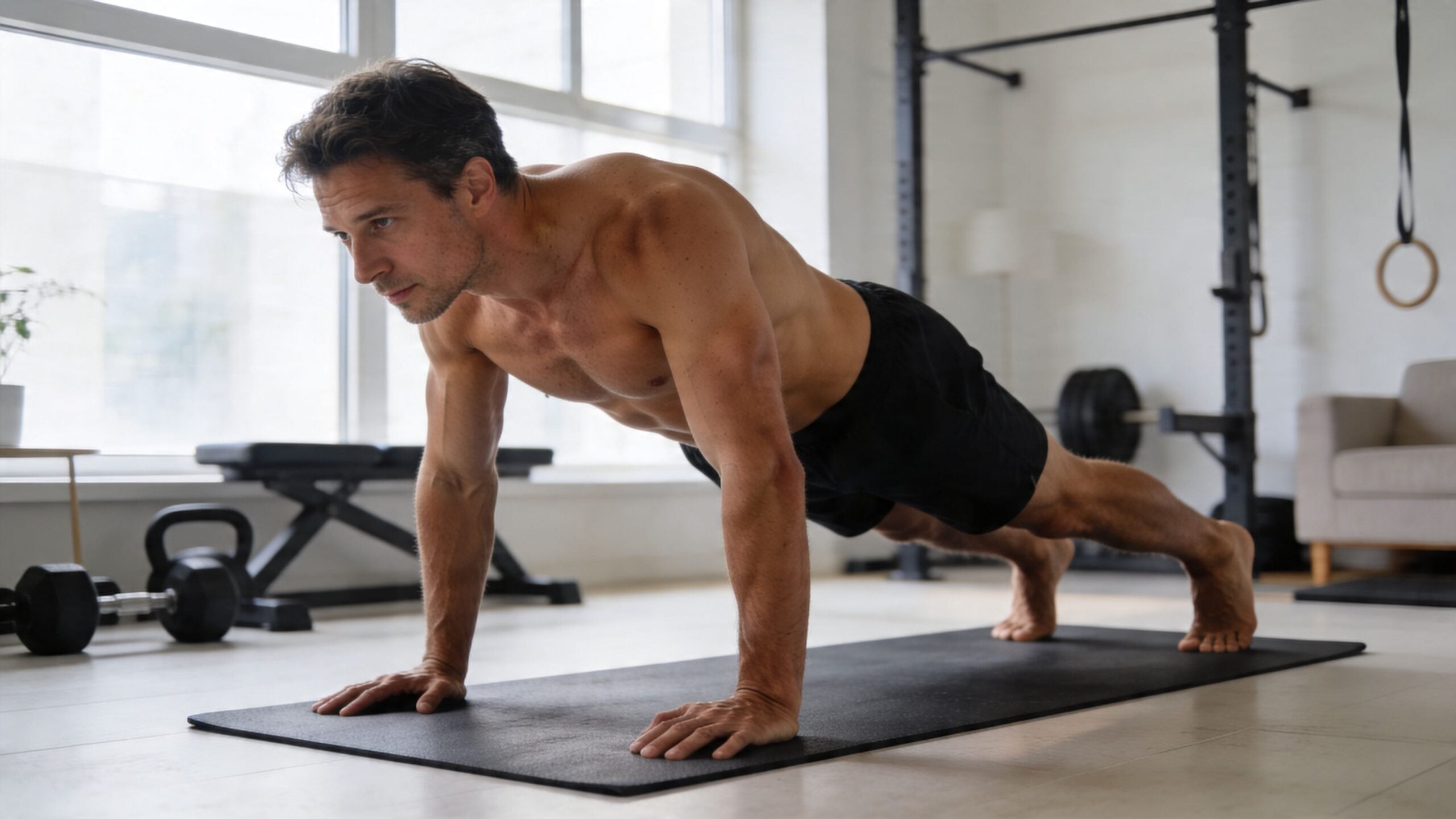
How these should feel
These movements should feel like a release, a mild stretch, or easier motion. They should not feel sharp, electric, or increasingly threatening.
If your back feels a little stiff at first and then loosens, that’s usually a good sign. If pain spikes and lingers after you stop, back off.
If you’re especially stiff from sitting or driving, some people also use self-massage or rolling around the hips and upper glutes before these movements. If that sounds helpful, this guide to foam roller benefits is a useful companion.
Pelvic tilts
This is often the best place to begin because it restores small, controlled movement without asking much from the back.
How to do it
- Lie on your back with knees bent and feet flat.
- Gently flatten your lower back into the surface.
- Hold for 5-10 seconds.
- Relax and return to neutral.
- Repeat for 5-10 reps. If you’re flared up, start with 2-3 reps.
What to feel
You should feel your lower abdominals turn on gently and your lower back move a small amount. This is not a forceful crunch.
Common mistake
Don’t drive through your feet and lift your hips. The motion is subtle.
Single knee-to-chest stretch
This can reduce tension in the low back and hips, especially after long periods of sitting.
How to do it
- Lie on your back with both knees bent.
- Bring one knee toward your chest.
- Hold for 5-10 seconds.
- Lower it slowly.
- Repeat 5-10 reps per leg, or start with 2-3 reps if symptoms are irritable.
What to feel
A gentle stretch in the buttock, low back, or back of the hip. Breathing should stay easy.
Double knee-to-chest stretch
This version gives a broader stretch, but it’s not right for everyone. If bringing both knees up feels too strong, stay with the single-leg version.
How to do it
- Bring both knees toward your chest.
- Hold briefly in a comfortable range.
- Lower one leg at a time.
Use a light pull. If your hips roll up aggressively or you hold your breath, it’s too much.
Lower back rotational stretch
This helps restore trunk motion and can be useful when the back feels locked up.
How to do it
- Lie on your back with knees bent.
- Keep shoulders relaxed on the floor.
- Let both knees move gently to one side.
- Hold for 5-10 seconds.
- Return to center and repeat on the other side.
- Perform 2-3 reps per side.
What to feel
A mild stretch through the lower back or outer hip. The movement should be easy and controlled, not dropped into.
Cat-cow for motion and breathing
If getting up and down from the floor is comfortable, cat-cow can be a nice warm-up.
Move slowly between a rounded back and a gently arched back. Match the movement to your breath. Keep the range small if your symptoms are fresh.
A simple rule for the acute phase
Practical rule: If an exercise makes you feel looser during the session and no worse afterward, keep it. If it leaves you more guarded, modify it or stop it.
For many people, this early phase is enough to turn down pain and make daily movement easier. Once you can walk, sit, and change positions with less apprehension, it’s time to add support.
Building Your Core Key Strengthening Exercises for Long-Term Relief
Mobility helps you move. Strength helps you keep moving.
A resilient back depends on more than the spine itself. The core includes the abdominals, deep trunk stabilizers, glutes, hips, and muscles that coordinate breathing and posture. When these groups work together, they reduce unnecessary strain and help you bend, carry, climb, and rotate with less irritation.
A 2024 meta-analysis on home exercise for low back pain found that home programs were most effective when sessions were 30 minutes or less, performed more than 4 times per week, and used for 4 weeks or less, with the most significant improvements in disability scores. That supports a simple clinical truth. Short, frequent work beats occasional marathon sessions.
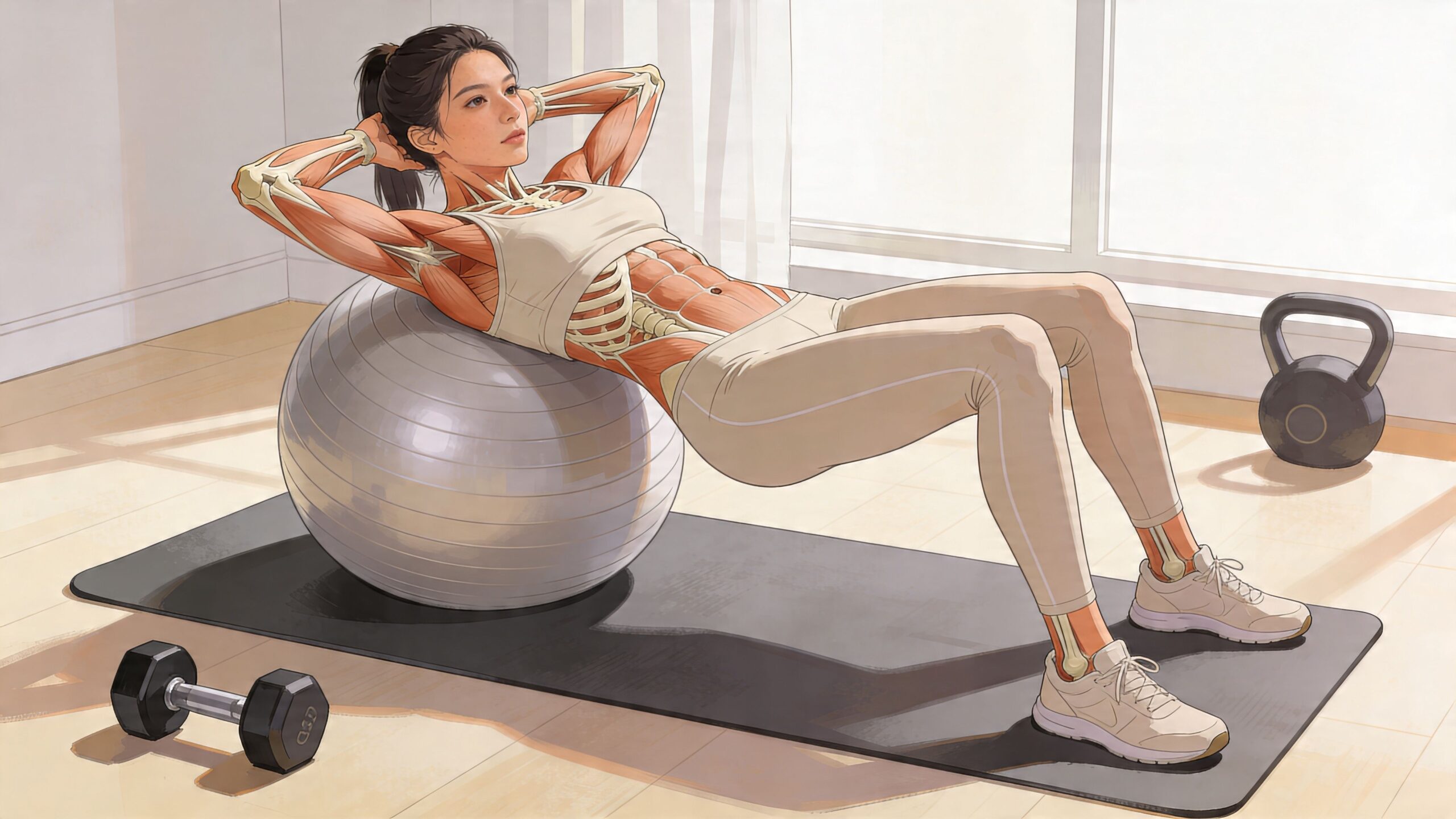
Bird-dog
Bird-dog trains the trunk to stay steady while the arms and legs move. That carries over well to daily life, especially reaching, carrying, and walking on uneven ground.
How to do it
- Start on hands and knees.
- Tighten your midsection gently, as if preparing for a light poke.
- Slide one leg straight back.
- If steady, reach the opposite arm forward.
- Pause briefly, then return with control.
- Alternate sides.
Form matters more than height. A low, level leg is better than a high kick that twists the pelvis.
Common mistakes
- Arching the lower back
- Rotating the hips open
- Reaching too far and losing control
Glute bridge
A lot of low back pain programs undertrain the hips. That’s a mistake. Strong glutes reduce the load that ends up on the low back during stairs, lifting, and longer walks.
How to do it
- Lie on your back with knees bent and feet flat.
- Gently brace the trunk.
- Press through your heels and lift your hips.
- Stop when your body forms a straight line from shoulders through hips to knees.
- Lower slowly.
Focus on squeezing the glutes, not cranking the low back upward.
What people get wrong
Many people overextend at the top and feel the bridge only in the back. If that happens, lower the height and think “hips up, ribs down.”
Modified plank
Planks are useful, but they’re often prescribed too early or done too aggressively. For back pain relief exercises at home, a modified plank is usually a better starting point than a full toe plank.
How to do it
- Begin on forearms and knees.
- Keep shoulders over elbows.
- Draw the ribs slightly in.
- Create a straight line from shoulders to knees.
- Hold with steady breathing.
A good plank feels challenging in the trunk without compressive pain in the lower back.
Side support work
When someone’s back keeps flaring during walking, carrying, or turning, side trunk strength is often part of the gap.
A simple option is a modified side plank from the knees. Keep the spine long and the hips stacked. Don’t chase long holds if the position gets shaky.
When to add resistance
You don’t need weights immediately. Body weight is often enough at first.
Once your symptoms are calm and your movement quality is solid, resistance can be useful. Dumbbells, resistance bands, and loaded carries can build capacity for real life tasks like carrying mulch, lifting luggage, or moving furniture. If you’re ready for that stage, this roundup of powerful back dumbbell exercises offers ideas that can fit into a broader strengthening plan.
What quality looks like
Use these cues during every strength exercise:
- Breathe: Don’t hold your breath unless a clinician has told you to use a bracing strategy.
- Move smoothly: Jerky reps usually mean the exercise is too hard.
- Stop before form breaks down: The last good rep is the right stopping point.
- Keep pain rules clear: Muscle effort is fine. Sharp back pain is not.
Stronger isn’t just heavier. Stronger means you can control your trunk, hips, and breathing while you move.
For long-term relief, consistency wins. A few well-executed exercises done often will do more than a huge routine you abandon after three days.
Putting It All Together Sample Routines and Progressions
The best routine depends on what your back is doing today. Someone in a fresh flare needs a very different session than someone trying to return to golf, tennis, or recreational lifting.
That’s where many home programs fall apart. People either stay at the gentle stage too long or progress too fast.
For active adults, progression matters. Cedars-Sinai’s overview of lower back pain exercises notes that 70% of recreational athletes with back pain experience recurrence, often due to a lack of progressive loading. The same source reports that dynamic neuromuscular training can outperform static routines by 35% in achieving pain-free return-to-play.
Sample Weekly Back Exercise Plan
| Day | Focus | Routine Example (15-20 Minutes) | Goal |
|---|---|---|---|
| Monday | Gentle mobility | Pelvic tilts, single knee-to-chest, lower back rotations, easy walk | Reduce stiffness and calm symptoms |
| Tuesday | Core stability | Bird-dog, glute bridge, modified plank, short walk | Build trunk and hip control |
| Wednesday | Recovery movement | Cat-cow, gentle rotations, easy walking or light household movement | Keep motion without overload |
| Thursday | Core stability | Pelvic tilts, bridge, bird-dog, modified side support | Improve endurance and support |
| Friday | Mobility plus function | Knee-to-chest, bridge, sit-to-stand practice, walking | Connect exercise to daily tasks |
| Saturday | Active progression | Stability work plus light carry, step-up, or controlled rotation if tolerated | Prepare for sport and weekend activity |
| Sunday | Reset day | Gentle stretching, easy walk, breathing and position changes | Recover and stay loose |
Two simple templates
Gentle flare-up routine
Use this when pain is fresh and you’re trying to settle things down.
- Start with pelvic tilts
- Add single knee-to-chest
- Finish with lower back rotations
- Walk for a few minutes if it feels relieving
Keep the whole session easy. If you stand up afterward and feel smoother, you picked the right dose.
Daily maintenance routine
Use this when pain is more manageable and you’re building resilience.
- Pelvic tilts or cat-cow
- Bird-dog
- Glute bridge
- Modified plank
- A short walk or light stair work
This type of session fits well before work, after a commute, or before weekend yardwork.
How to progress safely
Progression doesn’t have to be fancy. It just has to be logical.
Try one change at a time:
- Add reps if the movement feels easy and clean.
- Add hold time for planks or bridge positions.
- Add range only if you can control it.
- Add light resistance when body weight is no longer challenging.
- Add speed last after control is solid.
For active people, the next step is often dynamic control. That means training the body to resist wobble, rotation, and fatigue during movement. Examples include stepping, carrying, lunging, rotating under control, and eventually returning to drills that match your sport.
A golfer may need controlled trunk rotation before a full swing. A runner may need hip control during single-leg loading. A parent who lifts kids all day may need practice with hinging and carrying, not just stretching.
If basic exercises feel easy but your back still complains during real life, you probably don’t need more stretching. You need better progression.
When Home Exercises Are Not Enough Your Path to Expert Care
Home care is useful, but it has limits. If pain keeps returning, spreads into the leg, or changes how you work and sleep, you need more than a generic routine.
A physical therapy evaluation helps sort out what kind of problem you’re dealing with. Sometimes the issue is movement sensitivity. Sometimes it’s load tolerance. Sometimes it’s the way the hips, trunk, and breathing mechanics interact during daily tasks.
That kind of assessment is especially useful when you’ve already tried the basics and still feel stuck. It’s also helpful if your routine, workstation, sleep setup, or training plan keeps irritating the same area. For example, some people also benefit from addressing nighttime posture and support. If sleep is part of the problem, this guide on how to help back pain with the right mattress is a practical place to start.
If you want a clearer picture of what a professional visit involves, what to expect at physical therapy for lower back pain lays out the process.
Highbar Physical Therapy offers in-person care in communities including Warwick, South Kingstown, and Sudbury, along with telehealth when travel or weather gets in the way. For many people, that combination makes it easier to move from trial-and-error to a plan built around the way they live.
Frequently Asked Questions About Home Back Exercises
What if one exercise makes my pain worse
Stop that exercise for now. Don’t force it because it “should” help.
A useful test is what happens during the next several hours. If symptoms spike, spread, or leave you more guarded, that movement isn’t the right fit today. Try a smaller range, fewer reps, or a different exercise from the gentler group.
How long does it take to feel relief
Some people feel looser after the first session. Others need a stretch of consistent work before they notice a meaningful change.
What matters most is the trend. You’re looking for easier movement, less stiffness, and better tolerance for ordinary tasks, not just a temporary drop in pain right after exercise.
Can I do these if I think I have sciatica or spinal stenosis
Maybe, but don’t assume a general program is the right match. Conditions involving nerve irritation often need more specific positioning, loading, and progression choices.
If your pain travels below the knee, includes numbness, or feels clearly different from a local muscle ache, get evaluated before pushing ahead.
Should I use heat or ice
Use the one that helps you move better. Heat often works well before mobility exercise because it helps people relax. Ice can feel useful after activity if the area is irritated.
Neither replaces exercise. Think of them as tools that may make movement easier to tolerate.
Is walking good for back pain
Often, yes. Short walks can reduce stiffness and keep you from becoming more deconditioned.
Keep the distance manageable. If your walk makes you tighten up and limp home, the dose was too high.
If your back pain keeps interrupting work, sleep, exercise, or everyday movement, Highbar Physical Therapy can help you figure out what’s driving it and what to do next. A licensed physical therapist can evaluate your symptoms, build a plan around your goals, and help you return to the activities that matter most, whether that’s gardening, lifting grandkids, getting through a commute, or getting back to sport.