You finish a hard workout, wake up the next morning, and your calves feel like concrete. Or maybe it wasn’t a workout at all. It was a day of lifting boxes, a long drive, a weekend of yard work, or hours at a laptop with your shoulders creeping toward your ears. The result feels the same. Tight muscles, an ache that makes normal movement annoying, and one immediate question: should you use heat?
In many cases, yes. Heat therapy for sore muscles is more than a comfort measure. Used at the right time and in the right form, it can reduce pain, loosen stiff tissue, and make movement easier. It’s also one of the most common self-care tools people reach for when muscles are tight or overworked.
The catch is that most advice stops at “use heat for 15 to 20 minutes.” That’s incomplete. Timing matters. The type of heat matters. The reason your muscles hurt matters. Pairing heat with movement, stretching, or recovery work like foam rolling matters too.
Your Guide to Soothing Sore Muscles with Heat
A heating pad on a sore back often feels helpful within minutes. A warm shower can make stiff hips move better. A moist hot pack can calm down the ache that shows up a day after leg day. Those are familiar experiences, and they’re not just placebo.
Heat changes the environment inside muscle and connective tissue. It helps tissue relax, makes movement feel less guarded, and creates a better setup for gentle activity. For people dealing with post-exercise soreness, desk-related tension, or chronic tightness, that can make the difference between moving normally and spending the day bracing.
When heat helps most
Heat tends to be useful when the main problem is stiffness, soreness, guarding, or chronic muscle tension. That includes common situations like these:
- Post-workout soreness: The dull, heavy ache that appears after an unfamiliar or intense session.
- Everyday overuse: Tight neck, upper back, forearms, or low back after repetitive work or long sitting.
- Chronic muscle guarding: Muscles that stay tense because a nearby joint is irritated or movement feels threatening.
- Pre-movement stiffness: Feeling locked up in the morning or before exercise.
Heat is often most helpful when a muscle feels resistant, tight, or sore to move, not when a body part looks freshly swollen and irritated.
A lot of people think of heat as the “easy” option and ice as the “serious” one. Clinically, that’s too simplistic. The right question isn’t which one feels tougher. It’s which one matches the tissue state in front of you.
How Heat Therapy Works on a Biological Level
Heat changes more than comfort. It changes how muscle and connective tissue behave for a short, useful window.
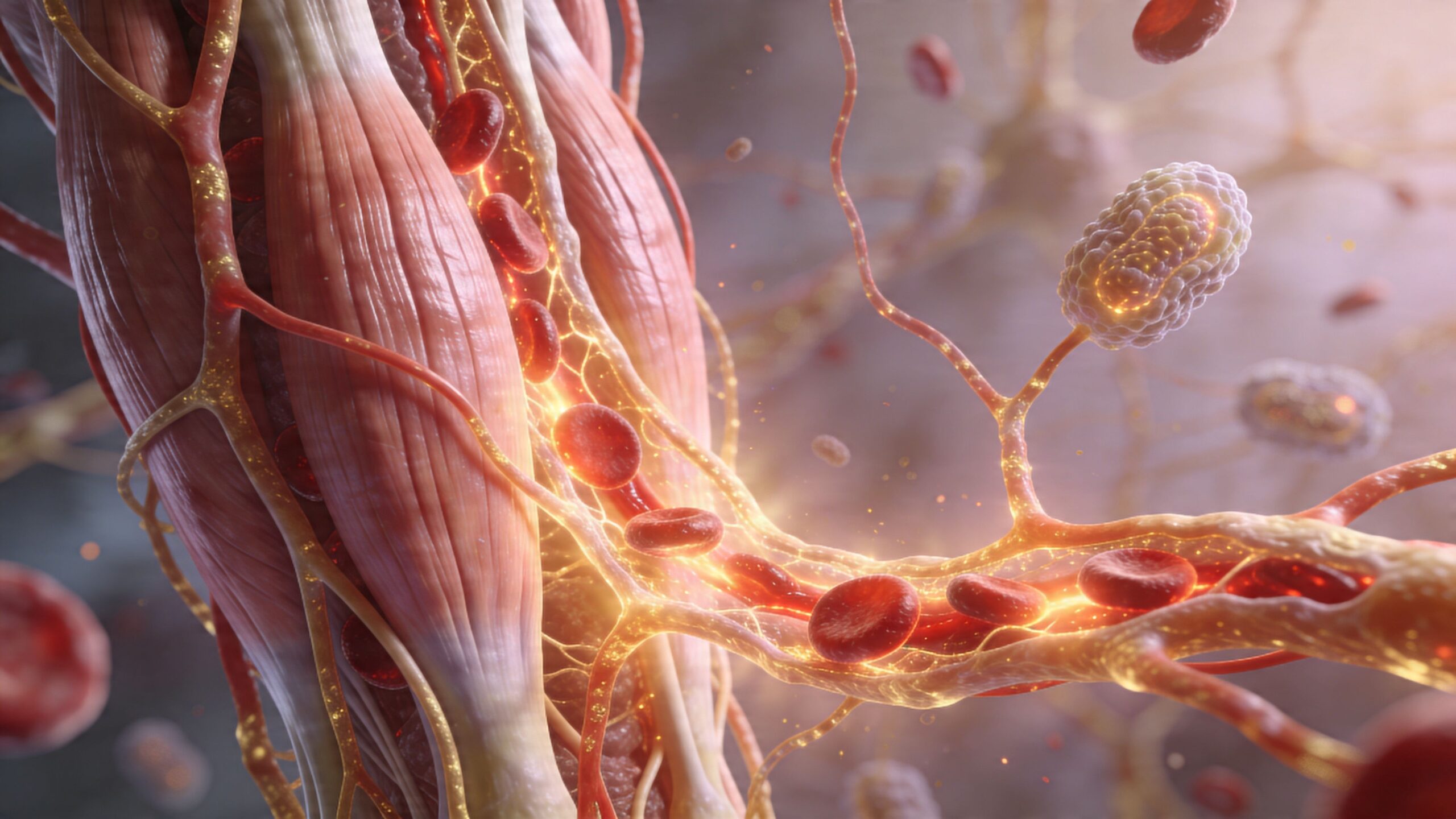
A practical example helps. A patient with a stiff calf often limps into the clinic first thing in the morning, then walks more normally after a warm shower and a few minutes of movement. The tissue did not suddenly heal. What changed was local temperature, sensory input, and the muscle’s tolerance for being lengthened and loaded.
Heat changes circulation and tissue mechanics
As temperature rises, superficial blood vessels widen. Local circulation increases, which can help oxygen delivery and waste-product clearance in the treated area. For sore muscles, warmer tissue usually becomes less resistant to movement. Collagen-rich structures such as fascia, tendon, and joint capsule do not become loose in any dramatic way, but they do become more pliable when heat is paired with gentle motion or stretching.
That pairing matters.
A heating pad on its own can make an area feel better. Heat followed by walking, mobility work, or light exercise usually gives a better result because the temporary drop in stiffness gets used while it is available. If you want a more practical breakdown of when to use ice vs heat for sore muscles and injuries, that decision depends on tissue irritability, swelling, and timing, not just preference.
Heat also changes pain signaling
Part of heat therapy’s effect is mechanical. Part of it is neurological.
Warmth can reduce the sense of threat coming from sore tissue. In the clinic, that often looks like less guarding, fewer protective muscle spasms, and easier movement through a previously uncomfortable range. Heat does not erase the source of symptoms, but it can lower pain sensitivity enough for a patient to move more normally. That is often the primary goal.
This is one reason heat can help before rehab exercise. A patient who cannot tolerate the first few reps because the area feels rigid may do much better after brief warming. The tissue is not “fixed.” It is more willing to move.
There may be cellular effects too
Heat’s role is not limited to symptom relief. Research on heat stress and skeletal muscle signaling describes activation of pathways involved in protein synthesis and recovery, including mTOR and PI 3-kinase/Akt signaling. The same paper reported that heat exposure can increase intracellular calcium, which is part of the signaling environment linked to repair.
That does not mean a hot pack builds muscle or accelerates healing in every sore area. The more defensible clinical takeaway is narrower. Heat may support a recovery-friendly environment, especially when combined with appropriate loading, sleep, and nutrition.
What this means clinically
For sore muscles, heat tends to help through a few overlapping mechanisms:
- Improved comfort with movement: Pain often feels less sharp or restrictive once tissue is warmed.
- Reduced guarding: Muscles may stop bracing so aggressively around an irritated area.
- Better short-term extensibility: Stretching and mobility work usually feel easier after warming.
- Stronger readiness for activity: Warm tissue often tolerates exercise progression better than cold, stiff tissue.
The trade-off is simple. Heat can create a useful treatment window, but the effect is temporary. If the tissue is in a fresh inflammatory phase, visibly swollen, or aggravated by warmth, heat can be the wrong tool. That is why the common question is not just whether heat helps, but muscle strain heat or cold therapy in this specific presentation.
Clinical takeaway: Use heat to prepare tissue for something productive, such as walking, mobility work, or therapeutic exercise. Passive warmth helps. Warmth followed by movement usually helps more.
Heat vs Cold Therapy Which One for Sore Muscles
Patients ask this constantly, and many websites often muddy the answer. The cleanest way to think about it is this: cold is usually for fresh swelling and acute irritation; heat is usually for stiffness and soreness.
That guideline gets sharper with exercise-related soreness. A 2022 network meta-analysis on therapies for delayed onset muscle soreness found that within 24 hours after exercise, hot pack therapy had the highest SUCRA score for pain relief at 99.9%, compared with 51.1% for cold packs and 37.0% for ice massage. In other words, for DOMS, hot packs ranked as the most effective option early on.
A simple decision rule
If you’re dealing with the classic sore-muscle pattern after exercise, heat is often the better first choice. If you’re dealing with a new injury that looks swollen, hot, or visibly inflamed, heat can aggravate it.
Here’s the quick comparison.
Heat Therapy vs. Cold Therapy at a Glance
| Condition | Best For | Mechanism | When to Use |
|---|---|---|---|
| Delayed onset muscle soreness | Heat therapy | Increases circulation and relaxes sore muscle | After exercise when muscles feel achy and stiff |
| Chronic muscle tightness | Heat therapy | Improves tissue extensibility and comfort with movement | Before mobility work, stretching, or exercise |
| Fresh strain with swelling | Cold therapy | Constricts blood vessels and helps calm acute irritation | Early after injury when the area is swollen or angry |
| Post-activity flare-up with puffiness | Cold therapy | Reduces pain signaling and helps control swelling | After activity if tissue feels acutely irritated |
| General stiffness without swelling | Heat therapy | Warms tissue and reduces guarding | Before normal daily movement or rehab |
Where people get this wrong
A common mistake is using heat on a problem that isn’t really “sore muscle.” A torn muscle, a newly sprained joint, or a hot swollen knee doesn’t need more warmth right away. Another mistake is using ice on every type of pain, including the dull heaviness of DOMS, where heat may fit better.
If you want another practical consumer-facing breakdown of this decision, the MEDISTIK article on muscle strain heat or cold therapy is a useful companion read.
For a more clinical framework, Highbar’s guide on when to ice vs. heat is worth bookmarking.
Choose based on the presentation in front of you. A swollen, reactive injury needs a different approach than a tight, overworked muscle.
Choosing Your Heat Source A Practical Review
Not all heat is equal. The best tool depends on where the soreness is, how much setup you’ll tolerate, and whether you need convenience or deeper comfort.
Dry heat
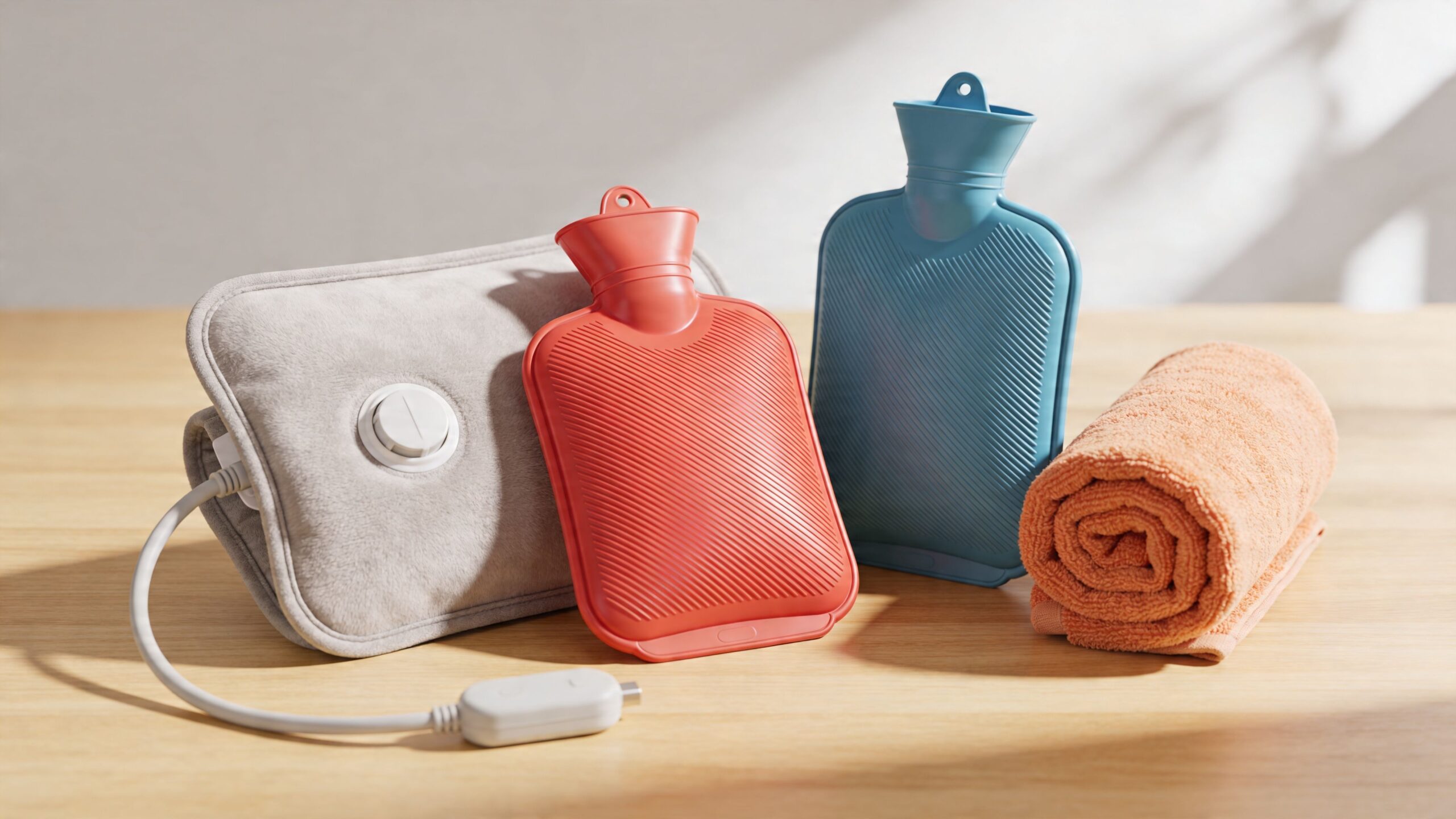
Dry heat includes electric heating pads, adhesive heat wraps, and classic hot water bottles. These are easy to use, widely available, and good for routine stiffness.
A dry heating pad is often enough for:
- Mild low back tightness
- Desk-related neck tension
- Pre-walk or pre-stretch warm-up
- Travel or office use
Dry heat wins on convenience. If a patient won’t consistently prepare a moist pack, the “better” option on paper becomes the worse option in real life.
Moist heat
Moist heat includes microwavable packs, hydrocollator-style hot packs, steamed towels, and warm baths or showers. Many clinicians prefer it because it often feels more penetrating and more soothing, especially for larger sore muscle groups.
The challenge is practicality. Existing online guidance often says moist heat is more effective, but it rarely explains when dry heat is sufficient. The discussion from Connecticut Orthopaedics on heat therapy for strains and how to apply it points out this gap directly and notes that patient choice often comes down to an affordable $15 dry heating pad versus a $60 moist system.
Best heat source by situation
Here’s how I’d match the tool to the goal:
- Large sore muscle after exercise: A moist hot pack or warm bath usually works well because it covers more area and feels less superficial.
- Quick relief during the workday: Dry electric heating pad. It’s simple and people readily use it.
- Shoulders or neck tension: Either can work. Adherence matters more than perfection.
- Hands or small joints: Paraffin can be useful, especially when stiffness is the main complaint.
- Before home exercise: Use whichever heat source you can apply safely and consistently, then move right away.
If you’re curious about how warming features are built into supportive seating products, DME Superstore’s explanation of Heatwave™ Technology gives a practical example of how heat is delivered in real-world equipment.
What works best is the heat source the patient will actually use correctly, safely, and consistently.
One more practical point. In the clinic, a therapist may use a hot pack as part of a broader treatment session, then follow it with mobility work, manual therapy, or exercise. That’s also how Highbar Physical Therapy uses heat therapy in outpatient care. As a preparatory tool, not a standalone fix.
The Art of Timing Applying Heat for Best Results
Generic advice usually breaks down. Many people hear “use heat for 15 to 20 minutes,” but they don’t get guidance on when to do it.

The timing question matters enough that existing online guidance has been called out for lacking precision around injury phase and activity. The discussion from Advanced Orthopaedics and Sports Medicine on heat and cold therapy for pain management highlights that gap clearly, including common unanswered questions such as whether to heat before or after PT exercises.
Before activity
Use heat before movement when the limiting factor is stiffness. This is common with tight calves before walking, a sore back before your home program, or quad stiffness before rehab exercises.
In these cases, heat is a primer. It helps the tissue relax so the next step, stretching, mobility, strengthening, or normal movement, goes better.
Good pre-activity uses include:
- Morning stiffness
- Warm-up before gentle exercise
- Preparation for stretching
- Getting a guarded area moving again
After activity
Use heat after activity when the main issue is that familiar post-exercise ache or ongoing muscular tightness, not new swelling. This is often where people with DOMS get the most value.
If an area becomes puffy, visibly inflamed, or sharply painful after activity, heat may not be the right post-session choice. That’s where clinical reasoning matters.
A practical timing framework
- For DOMS: Heat after exercise or when soreness settles in and movement feels stiff.
- For chronic tightness: Heat before exercise, walks, or your PT home program.
- For mixed cases: Some people do well with heat before activity and a different recovery approach afterward, depending on how the tissue responds.
- For athletes or post-surgical patients: Don’t stack sessions just because more feels better. The skin and tissue still need recovery time.
A lot of readers also compare heat with more aggressive recovery strategies. If you’re weighing those options, Highbar’s article on the ice bath for muscle soreness gives useful context.
Heat is most effective when it supports a goal. Loosen tissue before movement, or calm soreness after exertion. Random timing usually gets random results.
Safety First How to Use Heat Therapy Without Risk
A heating pad can help a sore muscle settle down. It can also irritate the skin or aggravate the wrong kind of pain if the tissue is too inflamed, the temperature is too high, or sensation is impaired. I tell patients to treat heat like a dosage-based intervention, not a harmless comfort item.
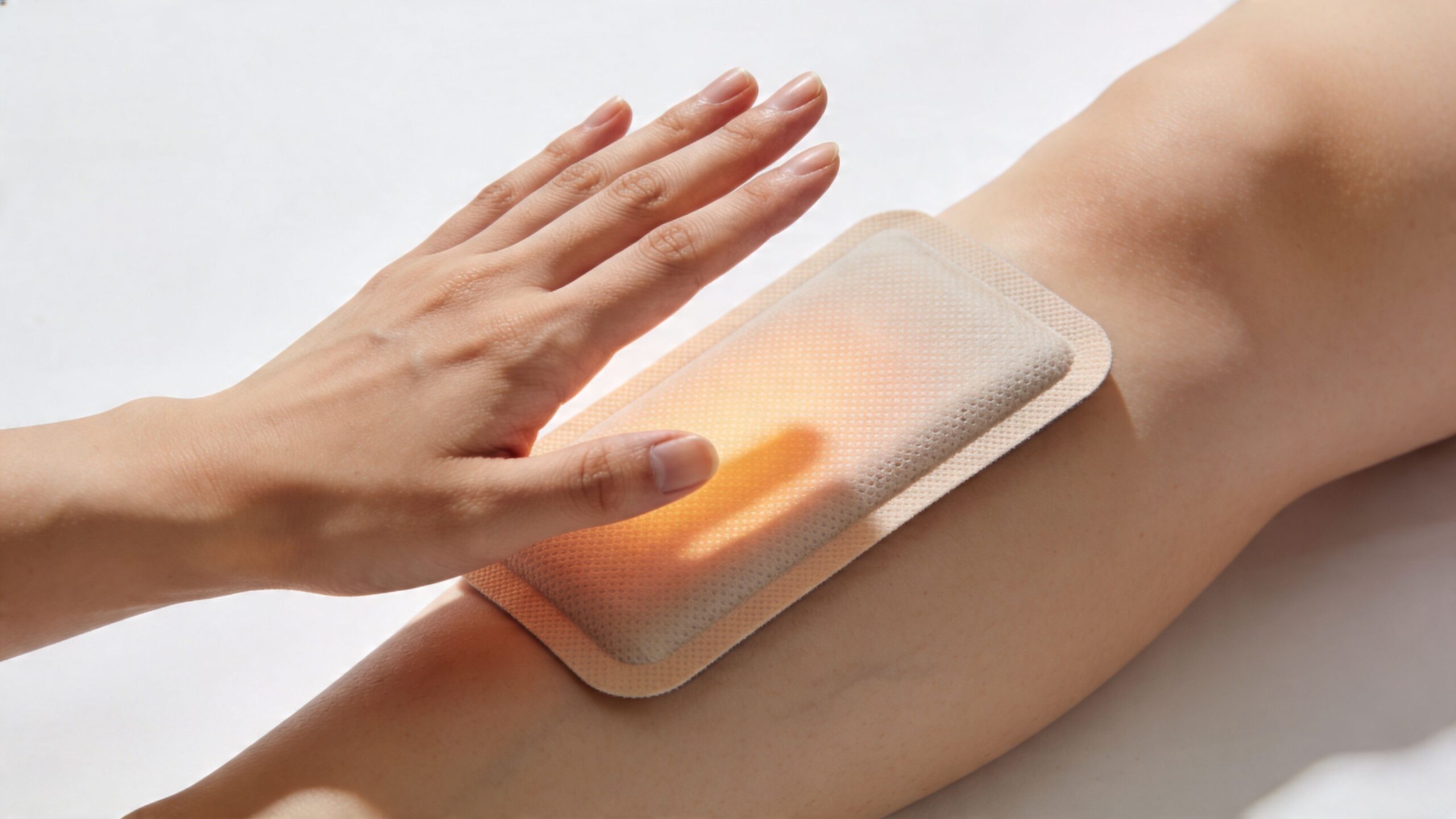
The main risks are straightforward. Burns, skin irritation, and increased throbbing are the big ones. The risk goes up with electric pads, very hot packs, long sessions, and any condition that makes it harder to judge temperature accurately.
When not to use heat
Skip heat if the area suggests active inflammation rather than routine muscle soreness. That includes:
- A fresh injury with obvious swelling or redness
- Open wounds or active skin irritation
- Areas with reduced sensation, where you may not feel excessive temperature
- Suspected deep vein thrombosis
- Active infection
- A body region that already feels unusually hot and inflamed
Use extra caution if you have diabetes, poor circulation, neuropathy, or a medical history that affects skin integrity or sensation. In those cases, home heat may still be appropriate, but the margin for error is smaller.
Safe application rules
Good heat should feel comfortably warm and boring. If it feels intense, it is too much.
Use these rules every time:
- Put a layer between the heat source and your skin. A towel or fabric cover lowers burn risk.
- Limit the session. For most home methods, a short session is safer than prolonged exposure, especially with electric heat.
- Check the skin during the session. Light pinkness can be normal. Bright redness, blotchiness, or tenderness is not.
- Stay awake and alert. Never sleep on a heating pad or leave heat in place while resting soundly.
- Use moderate heat, not maximum heat. The goal is tissue relaxation and comfort, not forcing a stronger effect.
- Stop if symptoms worsen. More pain, throbbing, swelling, or a feeling of pressure means heat is not the right tool at that moment.
Signs you should stop immediately
- Burning or stinging
- Skin that becomes very red quickly
- Dizziness or feeling unwell
- Numbness developing during the session
- Pain that shifts from dull soreness to sharp irritation
One practical point matters here. Heat should make the area easier to move within minutes or at least leave it feeling calmer afterward. If the muscle feels heavier, more irritable, or more swollen, that response is useful information. It usually means the tissue is too reactive for heat, the dose was too aggressive, or the problem is not simple muscle soreness.
When to See a Physical Therapist for Your Sore Muscles
Sore muscles from activity usually improve with time, movement, and sensible self-care. But not every “sore muscle” is just soreness.
See a physical therapist if the pain is sharp instead of achy, keeps returning, limits basic movement, or comes with symptoms that don’t fit normal muscle fatigue. Weakness, numbness, tingling, major bruising, or pain that keeps getting worse deserves a closer look.
What a PT adds beyond a heating pad
A physical therapist helps answer the question heat can’t: why does this keep happening? That means looking at joint mobility, strength deficits, training errors, movement mechanics, workload, and tissue irritability.
Treatment may include:
- Accurate diagnosis: Sorting out DOMS from strain, referred pain, tendon irritation, or joint-driven symptoms
- Exercise prescription: Using loading and mobility to fix the underlying problem
- Manual therapy or guided recovery work: When appropriate to improve motion and reduce guarding
- Education: Knowing when to use heat, when not to, and what to do next
If heat helps for a few hours but the same pain keeps returning, the issue usually isn’t a lack of heat. It’s an untreated movement or loading problem.
Heat can be a very good tool. It just works best inside a plan.
If your sore muscles aren’t settling down, or you’re not sure whether you’re dealing with normal soreness or an actual injury, a physical therapist can help you sort it out and build a recovery plan that fits your body and activity level. You can learn more or find care through Highbar Physical Therapy.