For many students, searching for physical therapy student jobs starts as a practical decision. You want experience. You want exposure. You want something that helps offset the cost of school.
But over time, most students realize that not all experience is equally valuable. The setting you work in, the clinicians you learn from, and the expectations placed on you can quietly shape how you think about the profession long before you graduate.
Choosing the right student job isn’t just about checking a box — it’s about setting a foundation for how you’ll practice.
Why Student Jobs Matter More Than They Seem
Student jobs often serve as a first window into real clinical environments. They introduce you to how clinics run, how clinicians interact, and how patient care actually unfolds day to day.
Those early impressions matter. They influence:
- What you think “normal” looks like in practice
- How comfortable you feel asking questions
- Whether learning feels supported or rushed
Students don’t need to know everything yet — but they do need environments where curiosity is welcomed and learning is encouraged.
Experience Alone Isn’t the Goal
Many students assume that any exposure is good exposure. In reality, the type of experience matters far more than the number of hours.
In strong learning environments, students are:
- Encouraged to observe clinical reasoning, not just tasks
- Included in discussions about decision-making
- Supported by clinicians who enjoy teaching
In weaker environments, students may spend most of their time moving patients, cleaning tables, or staying out of the way — with little context for why care decisions are being made.
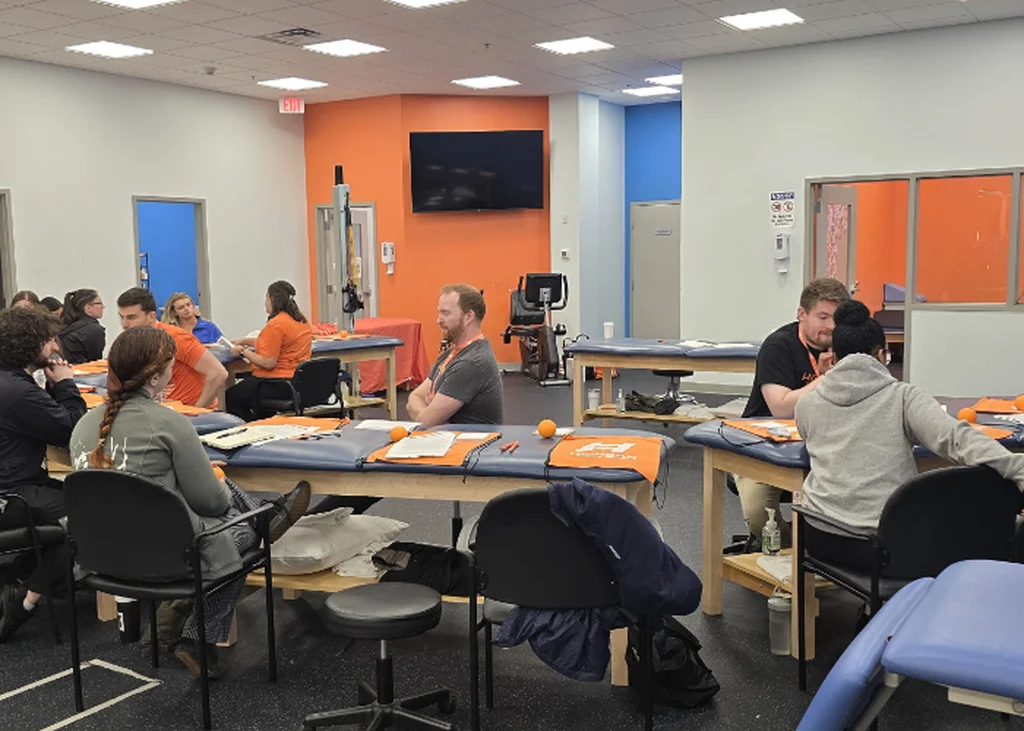
That difference shows up later, especially during clinical rotations and the transition to full-time practice.
What to Look for in a Physical Therapy Student Job
If you’re evaluating student job opportunities, a few questions can help clarify whether a clinic is truly invested in learning:
- Do clinicians explain their thought process during evaluations and treatments?
- Are students encouraged to ask questions?
- Is there a culture of mentorship, or is everyone simply trying to keep up?
- Does the clinic support ongoing education and development?
These questions often matter more than job titles or schedules.
Teaching Practices vs. Transactional Settings
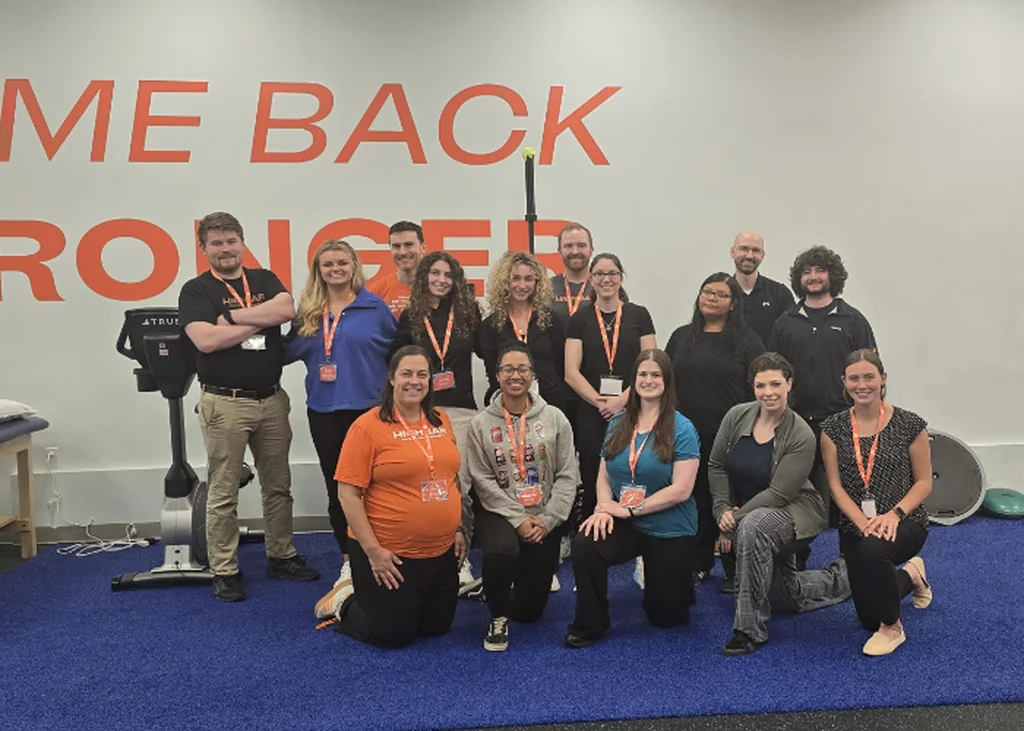
Teaching practices are built with learning in mind. Education is embedded into daily work, and students are viewed as future clinicians — not just extra hands.
At Highbar, this philosophy extends across our student education pathways, where students are supported through observation, mentorship, and gradual responsibility. That same mindset carries into clinical rotations, residencies, and early career development.
Students who spend time in teaching environments often feel more prepared when they step into full-time roles — because learning was part of the culture from the beginning.
How Student Experiences Shape Career Decisions
Many PTs later trace their career choices back to early student experiences. A supportive environment can spark interest in specialization, teaching, or advanced training. A rushed or unsupported environment can create doubt or hesitation before a career even begins.
That’s why we encourage students to be intentional about where they spend their time — and why we connect student roles directly to broader development opportunities like clinical rotations, continuing education, and orthopedic residency training.
How We Support PT Students at Highbar
At Highbar, students are welcomed into clinics that value education and mentorship. Whether through part-time roles, clinical experiences, or structured learning opportunities, students are treated as developing clinicians.
Many students begin by exploring resources on www.highbarhealth.com/students, where we outline education pathways and what learning looks like inside a teaching practice. Others connect with us through early exposure during rotations or student-focused programs before transitioning into full-time roles through our careers page.
Our goal is simple: help students build confidence early so they can enter the profession prepared, supported, and proud of the work they’re doing.
Choosing Experience That Builds Confidence
Physical therapy student jobs can either reinforce learning or quietly limit it. The difference usually comes down to whether a clinic is structured to teach.
As you explore opportunities, look for environments where clinicians invest in students, where questions are encouraged, and where learning is part of the daily rhythm. Those experiences tend to carry forward — shaping not just your first job, but how you approach your career as a whole.