Outpatient physical therapy is where most clinicians start — and where many eventually feel stuck. On the surface, outpatient PT jobs can look interchangeable. Similar job titles. Similar settings. Similar promises.
But in practice, the differences between outpatient clinics are significant. And those differences shape how you develop as a clinician, how sustainable your work feels, and whether you stay in the profession long-term.
If you’re exploring outpatient physical therapy jobs, it’s worth understanding what actually separates strong clinical environments from high-volume models.
Outpatient Physical Therapy Isn’t One Thing
Outpatient care covers a wide range of practice styles. Some clinics are designed around efficiency and throughput. Others are built around clinical reasoning, mentorship, and long-term development.
Both may fall under the same category on a job board — but the day-to-day experience for clinicians is very different.
Before applying, it’s important to understand which model you’re stepping into.
The Hidden Cost of High-Volume Outpatient Models
High-volume outpatient clinics tend to rely on:
- Tight schedules
- Shortened visits
- Minimal flexibility when days run long
Over time, this creates predictable challenges. PTs often tell me they feel rushed, disconnected from their clinical decision-making, and unsure where growth is supposed to happen once they’ve “learned the ropes.”
Research and professional discussions through organizations like the American Physical Therapy Association (APTA) have consistently highlighted how productivity pressure contributes to burnout — especially when mentorship and education aren’t built into the system.
That burnout isn’t a reflection of individual resilience. It’s a structural issue.
What Strong Outpatient PT Clinics Do Differently
Clinics that support clinicians over the long term tend to share a few key characteristics:
- Thoughtful visit expectations that prioritize quality care
- Protected time for mentorship and learning
- Internal continuing education rather than outsourced, one-off courses
- Clear pathways for specialization, teaching, or leadership
These environments allow PTs to practice at the top of their license and continue developing long after their first year.
This is the model we’ve built intentionally at Highbar — as a teaching practice, not just a place to treat patients.
Why Mentorship Matters More in Outpatient Settings
Outpatient care requires constant clinical decision-making. Without mentorship, PTs are often left to rely on pattern recognition instead of clinical reasoning.
Structured mentorship changes that. It creates space to reflect, ask questions, and improve — which is why mentorship is embedded across our career development pathways and advanced training programs like orthopedic residency and COMT certification.
For students and new grads, this support can be the difference between confidence and constant second-guessing. You can learn more about how we approach this through our student education resources.
Choosing the Right Outpatient PT Job
If you’re evaluating outpatient opportunities, I’d encourage you to ask:
- How are clinicians supported after onboarding?
- What does mentorship actually look like week to week?
- How does the clinic invest in professional development?
- What happens when patient care gets complex or days run long?
The answers to these questions reveal far more than a job description ever will.
How We Think About Outpatient Careers at Highbar
At Highbar, outpatient physical therapy is designed to be a place where clinicians grow — not burn out. Our clinics are structured around education, reasonable scheduling, and collaboration, so PTs can build sustainable careers while delivering high-quality care.
Many clinicians who join us were initially searching for outpatient jobs close to home. What they found was an environment that supported their growth through mentorship, internal education, and opportunities to specialize, teach, and lead.
If you’re exploring outpatient physical therapy jobs and want to understand what a teaching-practice model looks like in real life, you can explore our career opportunities or start with our student and clinician resources to learn more about how we support growth at every stage.
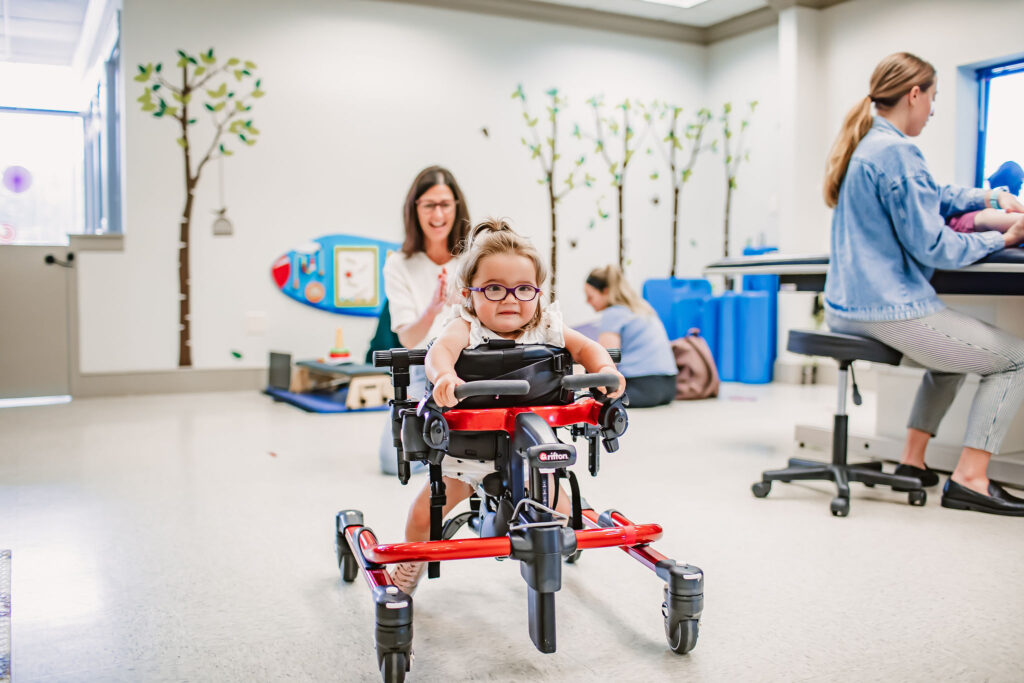
Outpatient physical therapy doesn’t have to feel rushed, transactional, or unsustainable. The right clinic creates space for learning, reflection, and long-term development.
When you’re evaluating outpatient physical therapy jobs, look beyond the setting — and pay close attention to how the clinic supports the people doing the work.
That’s where the real difference lives.