What does dry needling certification actually involve?
Dry needling has become an increasingly common part of orthopedic physical therapy — and with that growth comes a lot of questions.
What does dry needling certification actually involve?
Who is it for?
And how do you learn it in a way that feels ethical, confident, and clinically sound?
For physical therapists and students thinking about advanced training, dry needling certification can be a valuable tool — especially when it’s learned inside a supportive, teaching-focused environment.
What Is Dry Needling in Physical Therapy?
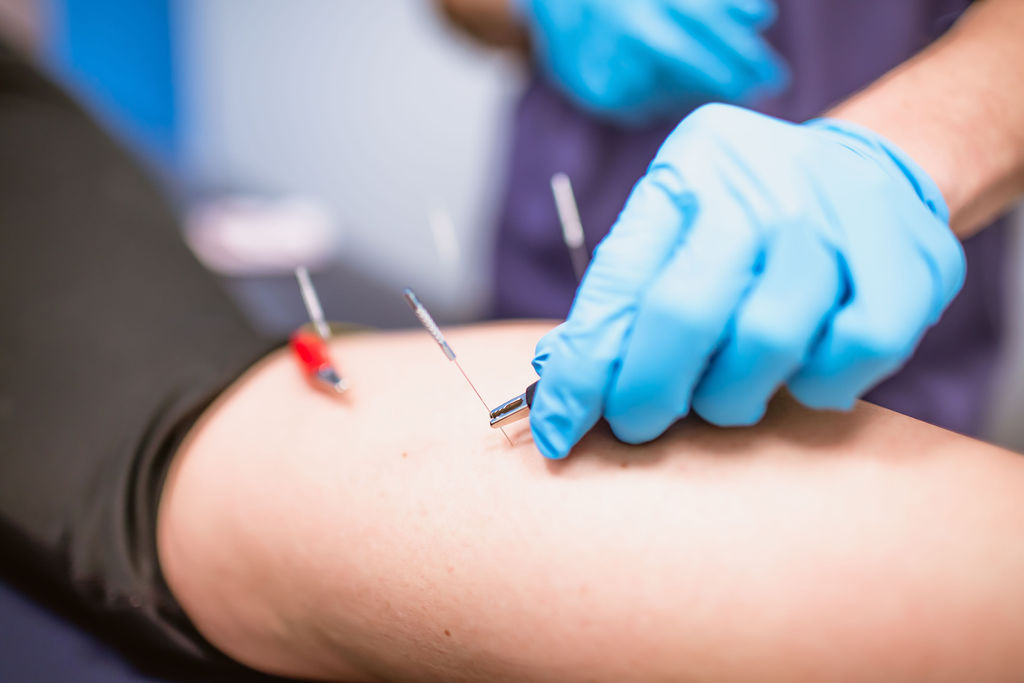
Dry needling is a skilled intervention used by trained physical therapists to address neuromuscular pain and movement impairments. It involves inserting a thin filiform needle into targeted tissue to support pain modulation, improve movement, and enhance clinical outcomes.
Importantly, dry needling isn’t a standalone treatment. When used well, it’s integrated into a broader plan of care that includes movement, education, and clinical reasoning.
For an overview of how dry needling fits within physical therapy practice, the APTA’s position on dry needling provides helpful context.
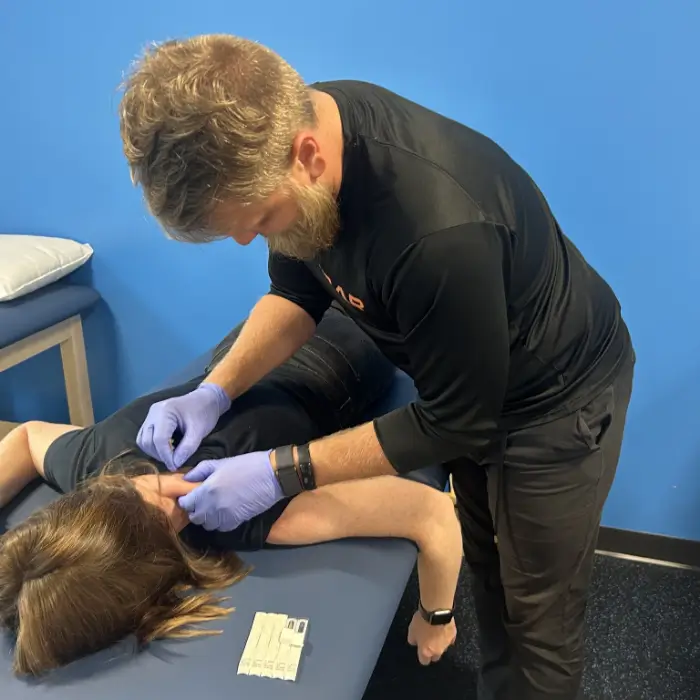
What Does Dry Needling Certification Involve?
Dry needling certification typically includes Level I and Level II training, with progression based on experience, competency, and state regulations.
While programs vary, certification usually covers:
- Safety and indications
- Anatomy and tissue considerations
- Clinical reasoning and patient selection
- Integration into orthopedic care
- Ethical and regulatory guidelines
The goal isn’t just technical skill — it’s knowing when dry needling makes sense and how to use it responsibly.
Who Is Dry Needling Certification For?
Dry needling training may be a good fit if you:
- Practice in outpatient or orthopedic settings
- Work with patients experiencing persistent pain or movement limitations
- Want to expand your clinical toolbox thoughtfully
- Value mentorship when learning hands-on skills
Some clinicians pursue dry needling early in their careers, while others wait until they’ve developed more clinical experience. Both paths can work — what matters most is the learning environment.
Why the Learning Environment Matters
This is often overlooked.
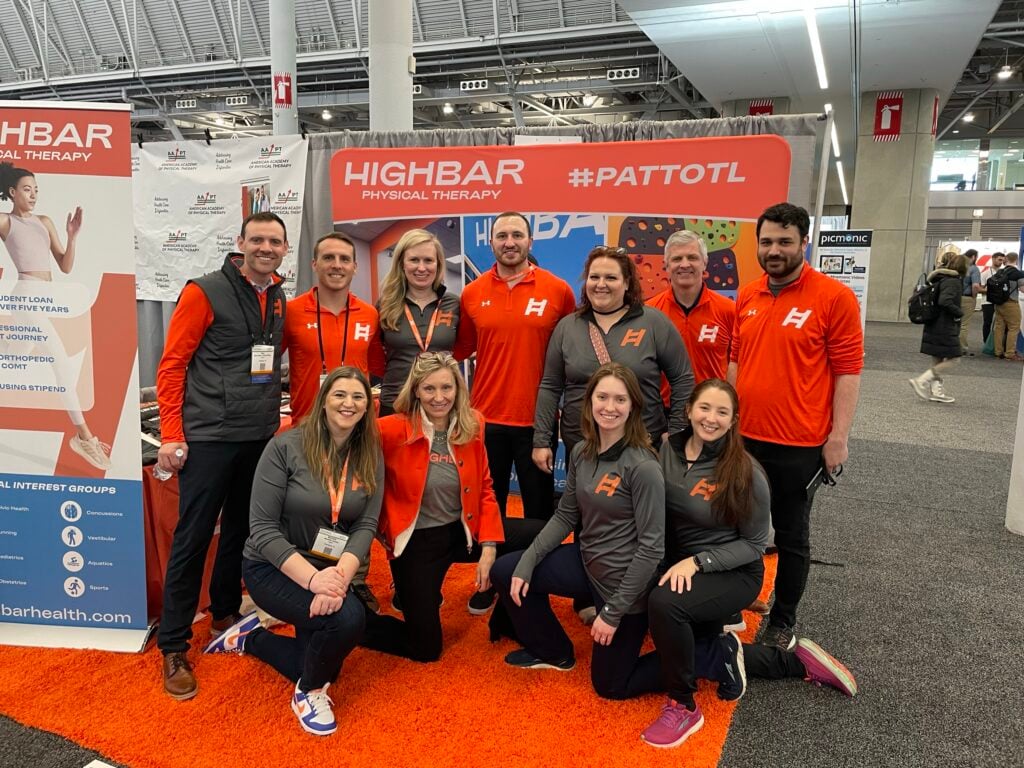
Dry needling is most effective when learned inside a teaching practice, not in isolation. Without mentorship and real-world integration, it can easily become a technique applied without context.
In teaching-focused environments like Highbar, dry needling education is paired with:
- Case discussion and clinical reasoning
- Mentorship from experienced clinicians
- Ongoing feedback and refinement
- Integration into real patient care
That same philosophy guides how we support students and clinicians across all education pathways. You can see how those pathways connect on our student education hub.
Dry Needling and Early-Career Confidence
For students and new graduates, dry needling certification can feel intimidating — but it can also be empowering when introduced thoughtfully.
When supported by mentorship and structured learning, dry needling can:
- Improve confidence with pain presentations
- Support clinical reasoning development
- Encourage deeper understanding of anatomy and movement
The key is not rushing the process. Confidence grows fastest when learning is paced and supported.
How Dry Needling Fits Into Long-Term Growth
Dry needling is not an endpoint. It’s one part of a broader professional journey.
Many clinicians who pursue dry needling certification also explore:
- Advanced manual therapy training
- COMT certification
- Orthopedic residency programs
- Teaching or mentorship roles
At Highbar, advanced education is designed to compound — not compete. Dry needling fits alongside other growth pathways that support long-term, sustainable careers in physical therapy.
If you’re curious how these options connect, our student hub is a helpful place to explore.
Choosing the Right Dry Needling Program
If you’re considering certification, it’s worth asking:
- Is the program aligned with state regulations?
- How is safety emphasized?
- Is mentorship available after coursework?
- How is dry needling integrated into patient care?
The best programs focus as much on judgment and reasoning as they do on technique.
Dry needling certification can be a meaningful addition to a physical therapist’s skill set — especially when learned in an environment that values people, mentorship, and thoughtful care.
When education is embedded into everyday practice, advanced skills don’t feel overwhelming. They feel like a natural extension of how you care for patients and grow as a clinician.
Explore Education and Career Pathways
Learn more about education opportunities for students and clinicians on our student hub or explore open roles and growth pathways at highbarhealth.com/careers.
Common Questions About Dry Needling Certification
Is dry needling legal for physical therapists?
Dry needling regulations vary by state. PTs should always follow state practice acts and licensing requirements.
Do PT students need dry needling certification?
No. Dry needling is optional and should be pursued when appropriate for your scope and experience.
Is dry needling effective for pain?
Research suggests dry needling can be effective when used appropriately and combined with comprehensive care.
Can dry needling be learned without mentorship?
While courses can be taken independently, mentorship greatly improves confidence, safety, and clinical integration.