The pelvic floor is more than Kegels — it needs breath, coordination, and integrated hip work. The exercises below support incontinence, postpartum recovery, pelvic pain, and the low back at the same time.
Related Articles
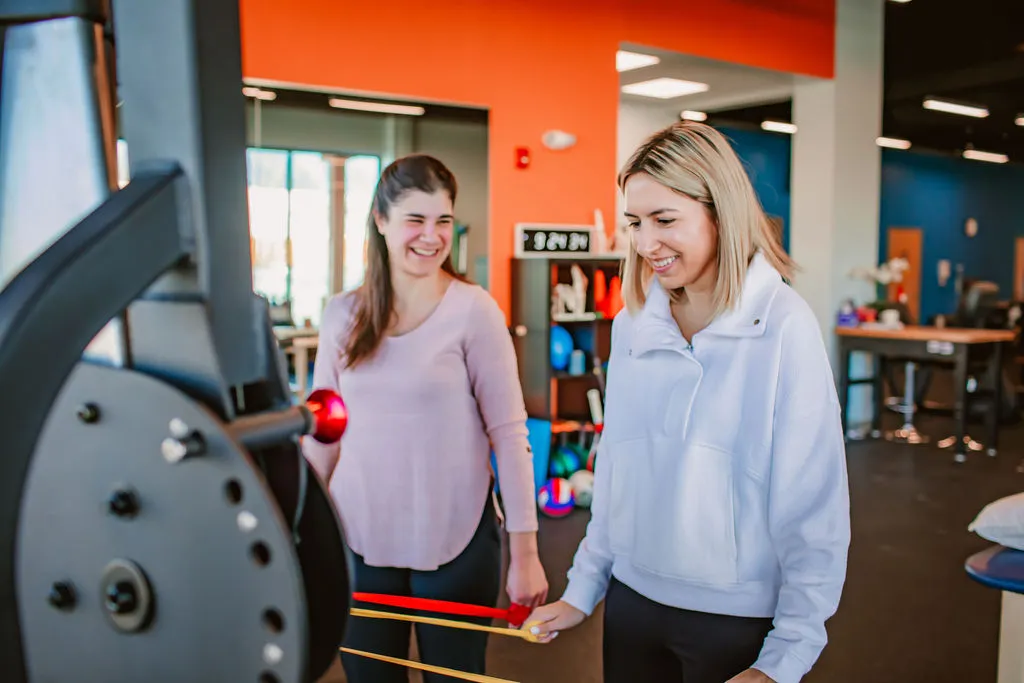
Effective exercises for pelvic health
Pelvic floor recovery is built on coordination, breath, and progressive loading — not just Kegels. The quality of each contraction (and full relaxation) often matters more than how many you do.
- Diaphragmatic breathing — the foundation for pelvic floor coordination. Inhale into the lower ribs, exhale gently and feel the pelvic floor lift.
- Kegels (controlled) — short, focused contractions paired with a full relaxation. Quality matters far more than rep count.
- Hip and glute strengthening — the pelvic floor works with the hips. See our breakdown of gluteus medius exercises.
- Hip flexor stretches — tight hip flexors can pull the pelvis into a posture that overworks the pelvic floor. Try our hip flexor stretches.
- Squats and bridges with breath integration — functional strengthening that loads the pelvic floor in real-life patterns.
- Posture and sitting resets — prolonged sitting affects pelvic alignment. See painful hips after sitting.
Pelvic health is highly individual — some patients need to strengthen, others need to learn to relax. For low back overlap, see back pain relief exercises at home. For broader context, visit our pelvic pain overview.
Quick answers about pelvic exercises
FAQS
Are Kegels the only pelvic floor exercise?
No — Kegels are one tool. Many people need breath work, hip and core strengthening, and relaxation training as much or more than isolated contractions.
Can pelvic floor exercises hurt me?
Overdoing Kegels in someone whose pelvic floor is already tight can worsen symptoms. A pelvic health PT can tell you whether to strengthen, relax, or both.
How often should I do pelvic floor exercises?
Most programs include daily breath and coordination work plus 2–4 strengthening sessions per week. Quality of repetition matters more than total volume.
When can I start postpartum?
Gentle breath and core re-engagement can begin very early. Progressive strengthening typically waits until cleared by a clinician, usually around 6 weeks.
Will pelvic exercises help with leaking?
Often, yes — stress incontinence and urge symptoms generally respond well to a targeted program, especially when guided by a pelvic health PT.
Why do I have pelvic pain and low back pain together?
These systems share muscles, ligaments, and nerves. Treating both regions together often outperforms working on one in isolation.
When should I see a pelvic health PT?
For leaking, pelvic pain, painful intercourse, postpartum recovery, prolapse symptoms, or persistent low back pain that has not responded to general PT.