Every clinic says they have mentorship.
We put ours on the calendar.
Two protected hours a week. Twenty-four in your first twelve weeks. With a peer mentor, not a promise.
Most “mentorship” is whatever’s left after a full caseload. Ours is scheduled time you can point to before you ever accept the offer — a real person, a real curriculum, and hours that don’t disappear when the clinic gets busy. We’d rather show you than tell you.
The Problem With “Mentorship” at Most Clinics

Mentorship in Name Only
Ask a new grad how mentorship actually went, and you hear the same story. It was on the offer letter. It meant a PT you could “grab when you had a question” — if they weren’t double-booked, which they often were. The hour got cancelled the first busy week and never came back. There was no plan, no curriculum, no follow-through. Within a month, “mentorship” quietly became figuring it out alone between patients.
When Mentorship Has No Structure
That’s the industry default: mentorship as a word, not a structure. It sounds the same in every interview, so candidates have learned to discount it entirely. Fair enough. If it isn’t protected time on a calendar with someone accountable for it, it isn’t mentorship — it’s availability. And availability disappears exactly when you need it most.
What "Real Mentorship" Actually Means
Here’s the specific commitment, in numbers we’re willing to put in writing:


24 hours of dedicated mentorship in your first three months — protected and scheduled, not “as time allows.” And not mixed in with other onboarding activities.

A structured curriculum: a sequence of short discussions, videos, and hands-on practice sessions you complete with your mentor — not alone in a room with a login.

Dozens of CEH opportunities on your calendar in the same window, mapped to your goals — so you finish year one with more continuing-education hours than licensure requires (currently 24 in RI & MA FYI), just by showing up to work.
What actually happens in a session.
You and your mentor work through real clinical reasoning — the cases on your schedule, your ease of documentation, the patients you’re unsure about. Sessions blend structured curriculum content with whatever you’re wrestling with that week. It’s discussion, demonstration, and practice, not a lecture. The point is to build how you think, not just hand you protocols.
What happens when the schedule gets busy.
This is the question that exposes most programs, so here’s our answer: the time is protected. It’s built into the schedule the same way patient care is, not stacked on top of a full day and cancelled when volume climbs. A busy week is exactly when a first-year clinician needs the time most — so it stays.
The Weekly Rhythm at Highbar
Every week for your first twelve looks the same in one way: two hours blocked with your mentor, on the calendar, before the week starts. Around it sit your CEH sessions, Skillz and even Special Interest Group (SIG) meetings. You’re never guessing when your next touchpoint is — you can see the whole runway from day one.
Mentorship Curriculum
| Window | Focus | What you work on with your mentor |
|---|---|---|
| Weeks 1–2 | Orientation & clinical reasoning | Systems, expectations, and how we think about MSK as the first call — plus your first cases reviewed together. |
| Weeks 3–4 | Evaluation & documentation | Building efficient, defensible evals and notes; turning subjective findings into a working plan of care. |
| Weeks 5–6 | Treatment & progression | Exercise prescription, manual techniques, and knowing when and how to progress or regress. |
| Weeks 7–8 | Complex cases & red flags | Differential reasoning, screening, and the patients that don’t fit the textbook. |
| Weeks 9–10 | Caseload & communication | Managing a fuller schedule, patient buy-in, and working at the top of your license. |
| Weeks 11–12 | Specialty interests & what’s next | Where you want to grow — SIGs, residency, certifications — and mapping your path beyond week 12. |
Running underneath all twelve weeks:
2 Protected Hours/Week · Monthly Skillz (1 CEH) Meetings · CEH Sessions Mapped to Your Goals
Who Are the Mentors?
At Highbar, “mentor” is a real role, not a favor someone does on the side. Every therapist here is a teacher — it’s how the practice is built — and mentors are experienced clinicians who’ve chosen to develop other PTs.
They’re supported by an in-house structure — we “in-source” our education rather than outsource it — so mentoring is something we train for and get better at, not something dropped on whoever’s senior. Your mentor isn’t a name you meet once; they’re the person who’s accountable for your first twelve weeks.
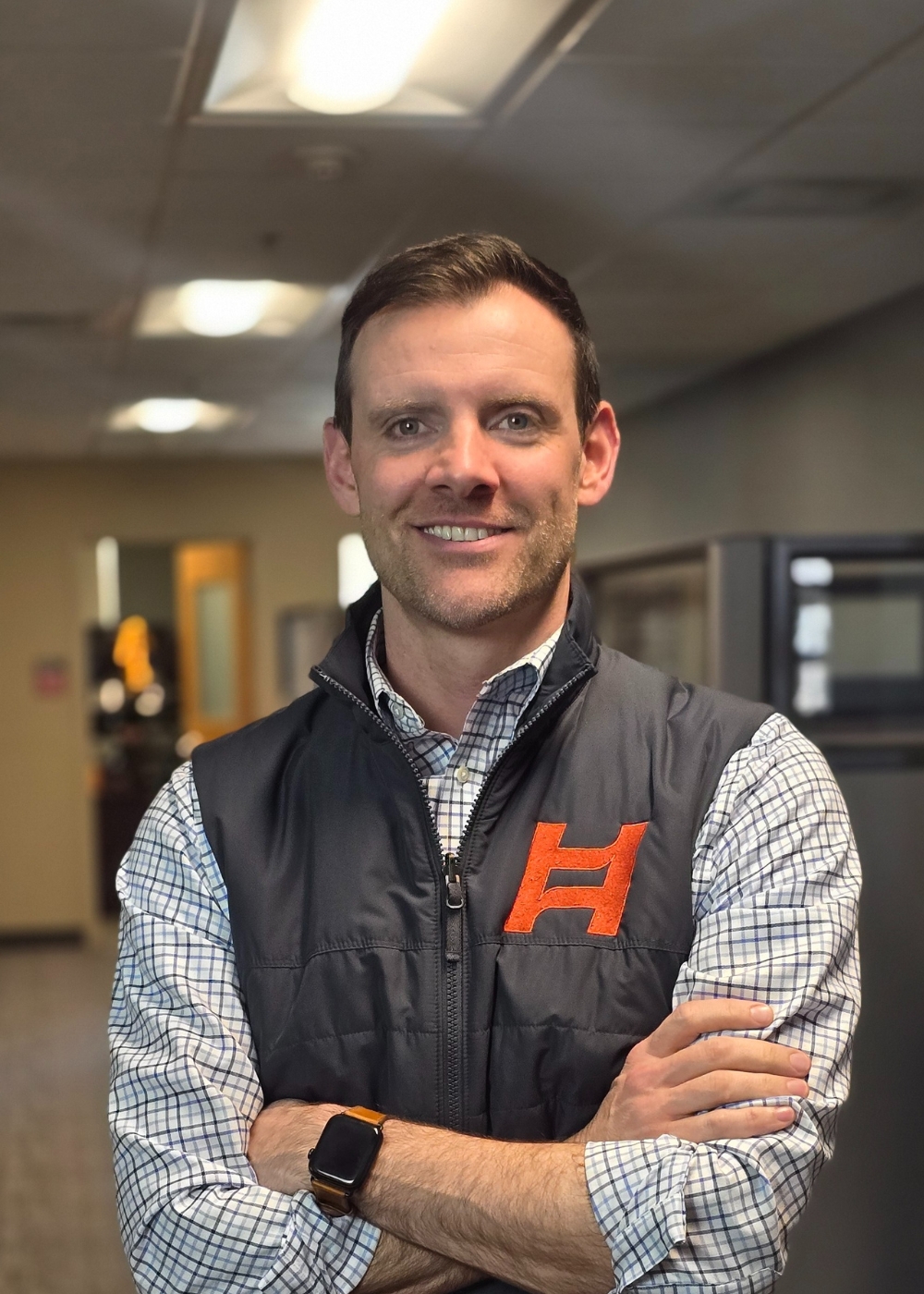
Dave Pavao
PT, DPT, OCS
Professional Development
I've watched new grads grow into leaders they didn't know they could be. Building that path, then getting out of the way, is the whole job for me.
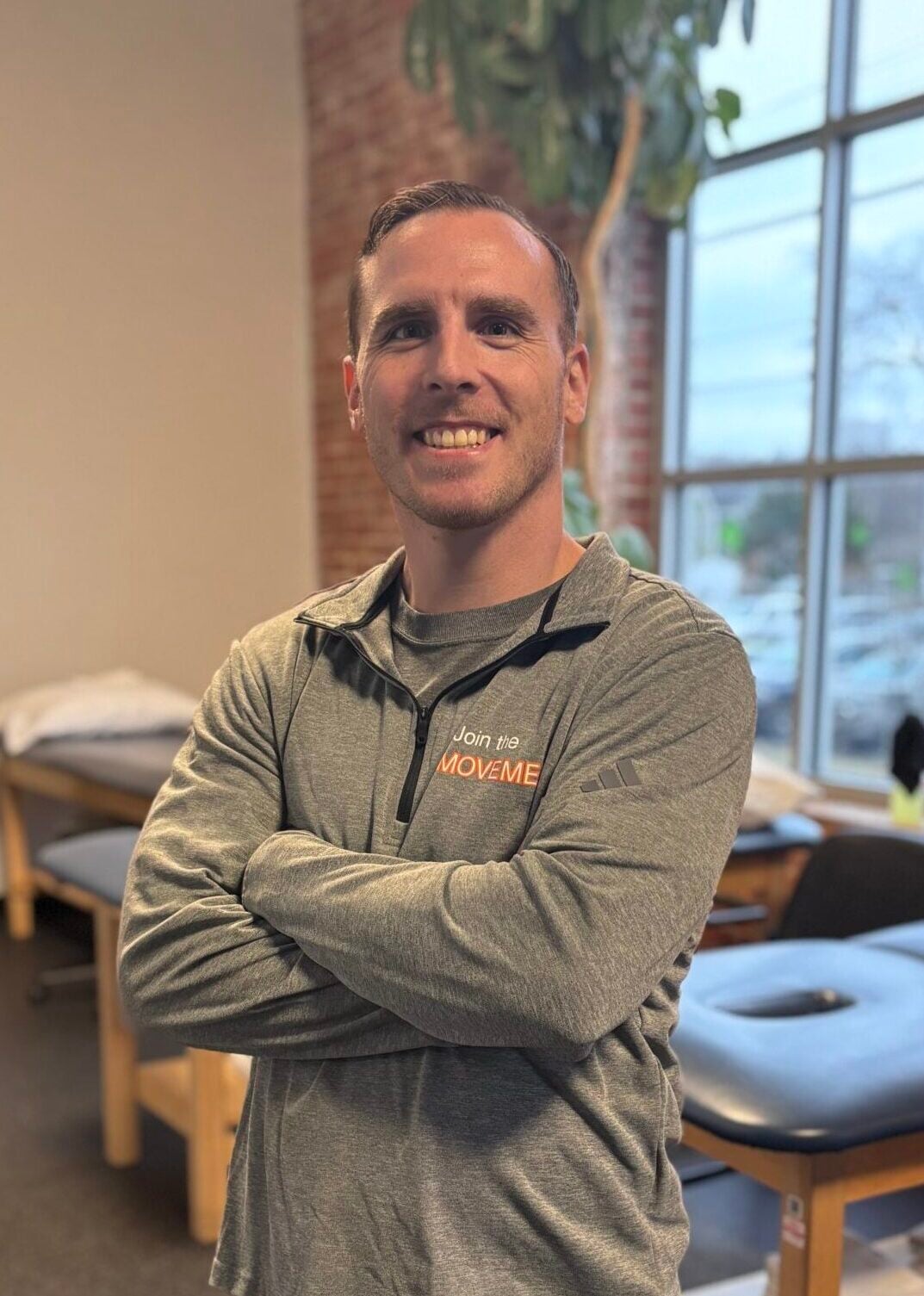
Bobby Dattilo
PT, DPT, OCS
Residency Director
Residency should change how you think, not just what you know. Through meaningful mentorship and challenging patient care, we help clinicians become more confident, adaptable, and intentional in the decisions they make for every patient.
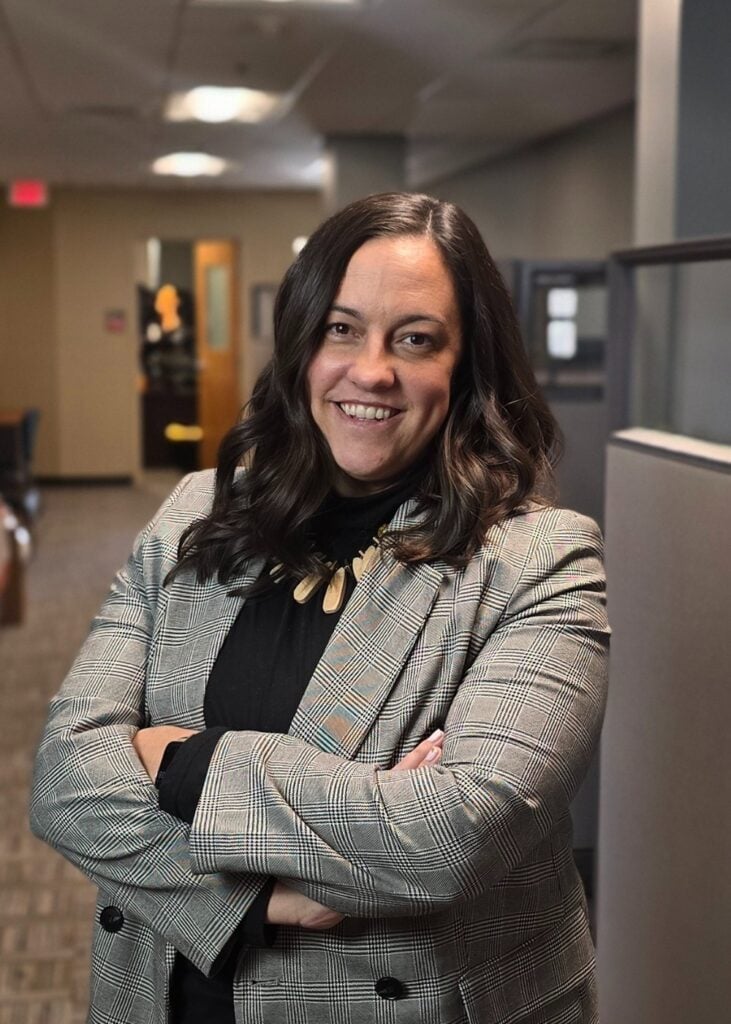
Michelle Fuleky
PT, DPT, OCS
Director of Student Experience
I don't want our students to just complete a clinical rotation. I want them to be part of the team, part of a movement to change this profession for the better with real mentorship, room to grow and ask questions, and space to discover the PT they want to become.
Name and email are all we need. Share as much or as little as you like, and the clinician you pick will reach out directly. No application, no commitment.
No application, no commitment. Just a conversation.
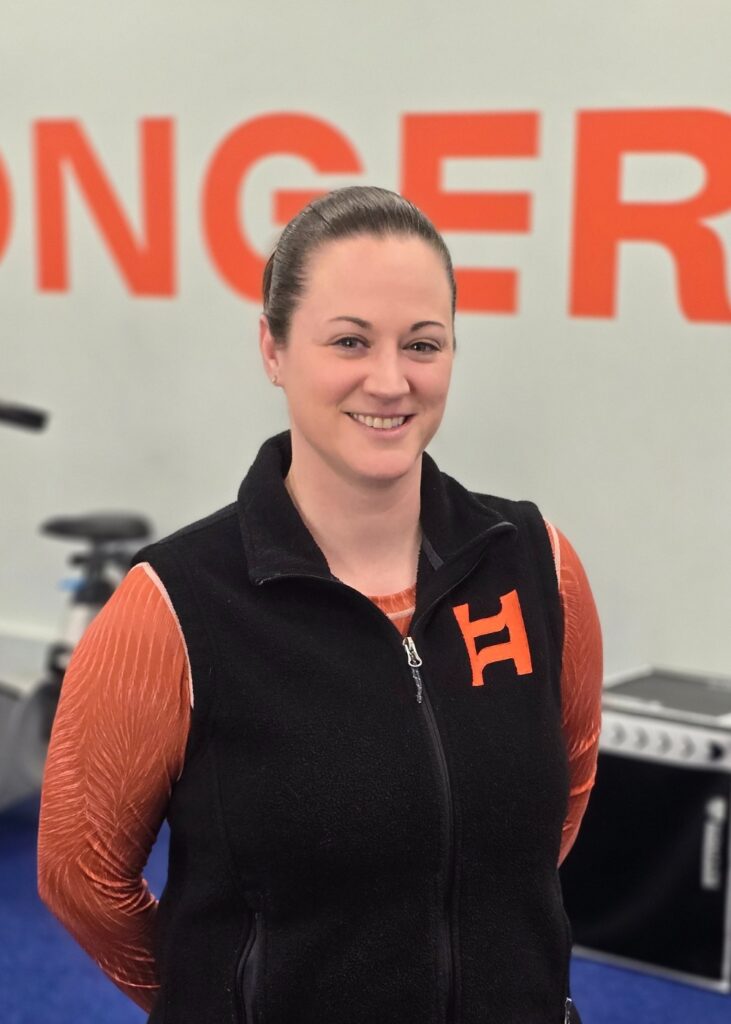
Molly Douglass
PT, DPT, OCS, SCS
Sports
At Highbar, sports clinicians have the freedom to build the kind of career they want, treating athletes one-on-one, developing specialty expertise, and pursuing opportunities in mentorship, education, and sports performance.
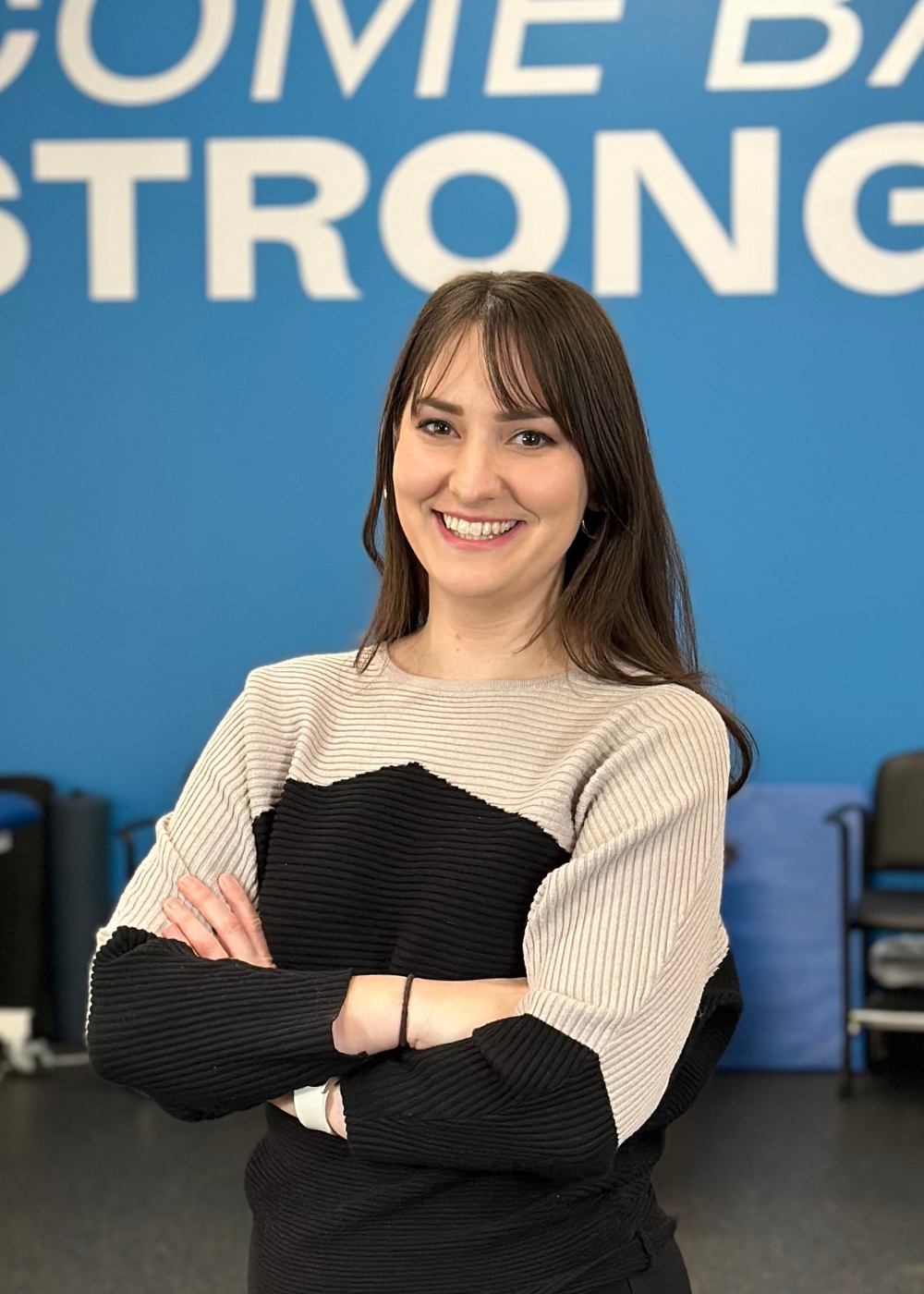
Holly Garcia
PT, DPT
Pelvic Health
Our community of pelvic health providers support one another, learn together, and grow together. As a team, we're expanding access to high-quality, compassionate pelvic health care and making a meaningful difference in our community.

Sarah Goldstein
PT, DPT, PCS
Pediatrics
Our priority is the child and ensuring they receive best care. We want to set you up for success so you can best support them.
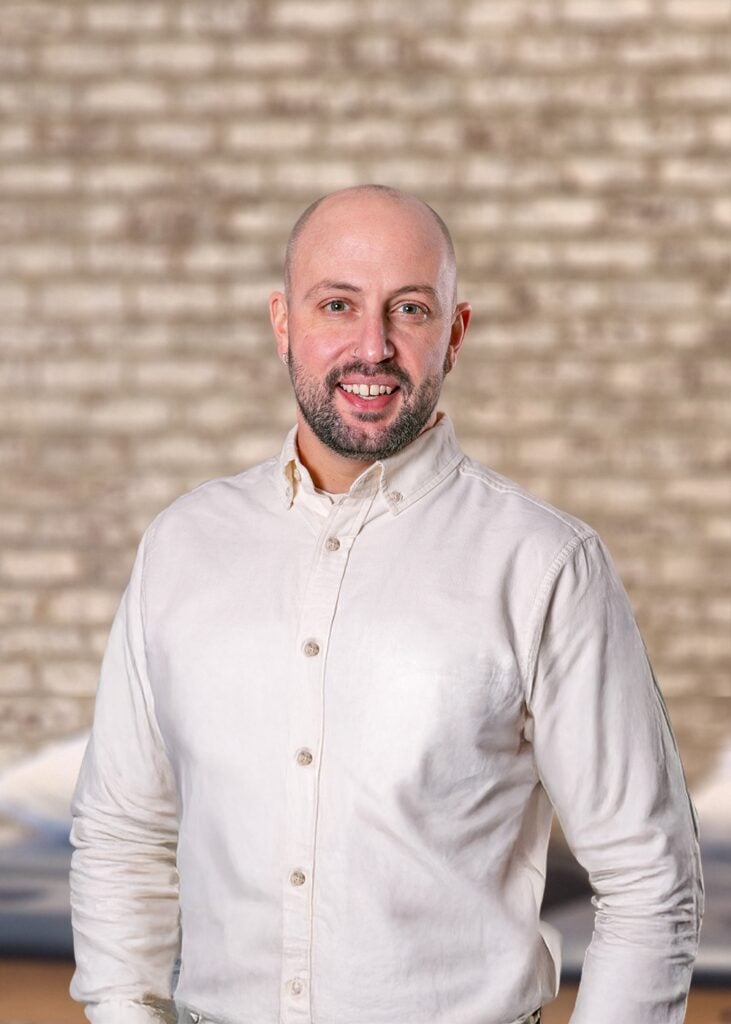
Brian Simons
PT, DPT, NCS
Neuro & Vestibular Specialist
Individualized care is at the heart of neurologic rehab. The levels of passion, diligence, and support to keep doing better for our patients is how we at Highbar achieve the best outcomes and improve their quality of life!
Mentorship in Context:
How It Connects to Everything Else
Mentorship isn’t a standalone perk — it’s the on-ramp to everything else. The reasoning you build in your first twelve weeks is what moves you along a clinical or leadership pathway. It’s how you step into a specialty through our SIGs and in-house residency — growing toward what pulls you, without being forced down one track. And it’s the foundation for the day you become the mentor, the clinical instructor, or the leader.
It’s the same logic the whole practice runs on: $15k of uncapped PD in your first 18 months, an in-house residency with a 100% OCS pass rate, and a path where teaching and growth go hand in hand. Mentorship is just where that path starts.
Beyond Mentorship
Week 12 isn’t a finish line — it’s where you choose your direction. From there, your calendar fills with what you actually want. Join the Special Interest Groups that pull you — Sports, Neuro, Peds, or Pelvic Health — a community of clinicians who share cases, ask questions, and keep each other sharp. Sit in on monthly Skillz meetings, work through Dry Needling and Core-4 courses, and keep building the skills you care about. You’ll have more CEHs than you’ll ever need for licensure, just by showing up to work.
And the relationship flips. The same practice that mentored you now invests in you becoming the one who teaches: a clinical instructor, a mentor, a course or dry-needling instructor, residency faculty. At Highbar you don’t just do PD — you become part of it, and you earn for doing so.
Don’t take our word for it. Take theirs.
You’ve read what mentorship looks like here. The best way to know if it’s real is to ask someone who lived it. No application required, no pressure — just a conversation.
- Talk to a current clinician — someone who’s been through their first twelve weeks and will tell you straight.
- Ask a specific question about the program — curriculum, schedule, your situation. We’ll give you a real answer.
- Reach out to Dave directly — David Pavao leads mentorship and clinical growth. Email him and he’ll point you to the right person, or just answer it himself.