Most PT jobs don’t fall apart on day one.
They fall apart in week three.
That’s when the excitement wears off, the schedule fills up, and you realize nobody is really “onboarding” you. You’re just working.
A strong onboarding process isn’t corporate fluff. It’s a clinic protecting two things at the same time:
- patient care quality
- clinician retention
Because clinics don’t lose good PTs because those PTs aren’t capable. They lose them because the system doesn’t support them.
This is what a good clinic should do in your first 30 days—and what you should look for so you can tell whether you’re walking into a place built for long-term growth or short-term throughput.
What onboarding is supposed to do
A good onboarding process should reduce friction in four areas:
- clinical confidence
- workflow clarity
- documentation efficiency
- support structure
It’s not just “here’s your login and your schedule.”
It’s a plan.
If you’re a new grad, onboarding is even more important because it sets your baseline for what “normal” practice feels like. That’s why it pairs naturally with a real ramp-up schedule. (If you haven’t read it yet, what a ramp-up schedule should look like for a new PT will help you spot the difference between support and pressure.)
Week 1: Orientation + structure (not chaos)
A strong first week doesn’t overload you. It stabilizes you.
Here’s what should happen.
You should know who your mentor is
Not “everyone helps.”
A name.
A specific person responsible for your development.
Mentorship should be structured into the week, not treated like an optional resource. If a clinic says they offer mentorship but can’t explain how it shows up on the calendar, it usually disappears once things get busy. What good PT mentorship actually looks like is a useful reference point if you’re unsure what to listen for.
You should learn the clinic flow before you’re buried in it
This includes:
- how scheduling works
- how cancellations are handled
- who to ask for help
- what the front desk needs from you
- how communication works between clinicians
Good clinics don’t assume you’ll “pick it up.” They teach you how the system works.
Your documentation setup should be taught, not guessed
You should get clear training on:
- the EMR basics
- templates and clinic standards
- what “done” looks like for notes
- how long documentation typically takes
- when documentation is expected to be completed
If a clinic acts like documentation will magically fit into your day, it usually becomes unpaid time at night. If you want to evaluate this part of the job model clearly, PT documentation expectations: what’s normal (and what’s a trap) is the lens most PTs wish they had earlier.
You should not be full-speed yet
A good clinic doesn’t expect you to hit “full schedule” immediately.
Even experienced clinicians need time to learn a new environment. New grads absolutely do.
If the clinic fills your schedule instantly, that’s not onboarding. That’s coverage.
Week 2: Gradual independence + feedback loops
By week two, you should be seeing more patients—but you should also be getting more feedback.
A good clinic should create structured touchpoints like:
- daily check-ins early on
- weekly case reviews
- feedback on communication and plan-of-care progression
- support with complex patients
- guidance on time management
This is where the clinic proves whether mentorship is real.
The best clinics don’t just tell you you’re doing fine. They help you get better.

Week 3: Realistic expectations + sustainable pace
Week three is where the job becomes real.
This is when onboarding should shift from “learning the clinic” to “building your rhythm.”
Here’s what should be happening:
Your schedule should increase, but not spike
The goal is progressive growth, not shock.
If your volume jumps from manageable to overwhelming overnight, you’re in a system that’s built around throughput, not development.
If you’re trying to understand how volume expectations shape your long-term experience, PT salary vs productivity pay: what you’re really being paid for explains why compensation and workload are inseparable.
You should have clarity on patient volume expectations
You should know:
- average patients per day
- maximum patients per day
- how evaluations are scheduled
- whether double-booking happens
- what happens when the clinic is slammed
If the clinic can’t give you clear numbers, it’s often a sign the model is unstable or intentionally vague. That’s one of the clearest signals of a mill environment. How to spot a PT mill (without reading bitter Reddit threads) covers the warning signs in a way most job descriptions won’t.
You should be learning how to treat efficiently without treating shallow
Efficiency is part of outpatient care.
But there’s a difference between being efficient and being rushed.
A good onboarding process helps you:
- tighten your evaluations
- improve patient education delivery
- progress plans of care appropriately
- document faster without losing quality
A bad onboarding process just pressures you to move faster.
Week 4: Performance expectations + a plan forward
By the end of the first month, you should have:
- a clear picture of what success looks like
- a realistic pace that’s building, not breaking you
- consistent mentorship support
- clarity on your schedule and workload
- confidence in documentation expectations
- a plan for continued development
This is also the point where a good clinic should set a real growth plan with you.
Not vague encouragement.
A plan.
That might include:
- skill focus areas for the next 60–90 days
- specific mentorship topics
- exposure to more complex cases
- continuing education planning
- feedback on clinical reasoning and communication
This is where you find out whether the clinic is built to retain clinicians or just use them.
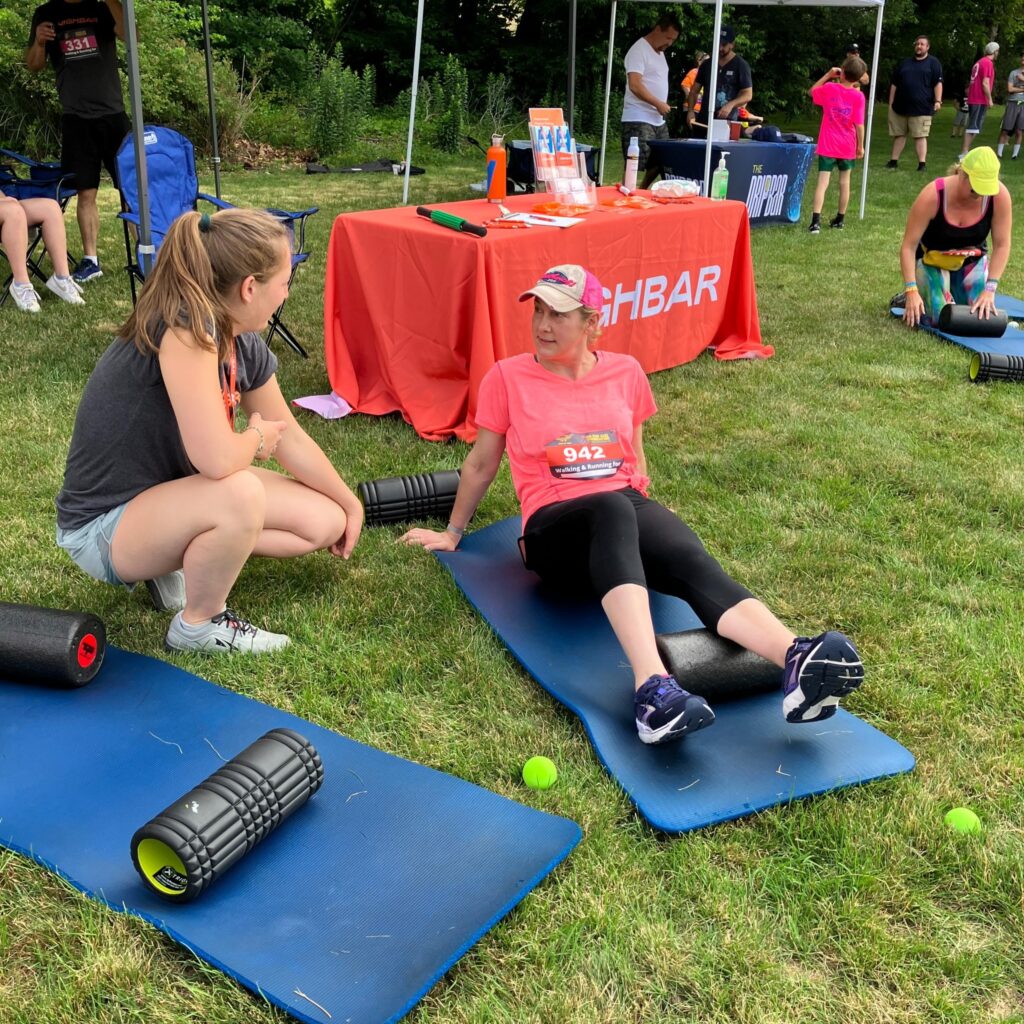
The onboarding checklist (what should be true by day 30)
By the end of your first 30 days, you should be able to answer “yes” to most of these:
- I know who my mentor is and when I meet with them
- I understand what a full schedule looks like here in numbers
- I know what the documentation expectations are and how to meet them
- I have a ramp-up plan that feels progressive and sustainable
- I know how cancellations and scheduling changes are handled
- I feel supported asking questions without feeling like a burden
- I understand how success is measured here
- I have a plan for clinical growth over the next 60–90 days
If most of those aren’t true, you’re not being onboarded. You’re being absorbed.
The red flags that onboarding is broken
Here are the signals you’re in a weak onboarding system:
- “Just jump in, you’ll figure it out”
- no assigned mentor
- no structured feedback
- immediate full schedule
- vague answers about volume and productivity
- documentation expected after hours
- constant chaos in operations
- turnover treated as normal
Those patterns don’t mean you’re failing.
They mean the system is.
The real takeaway
A good clinic doesn’t leave onboarding to chance.
It protects the first month because the first month determines everything: confidence, habits, quality, and whether a clinician can see a future there.
If a clinic can’t support you in the first 30 days, it probably won’t support you in year one.
And if you want a long career in physical therapy, you should choose environments that are built for development—not just output.
