Clinical rotations are one of the most important — and most underestimated — parts of physical therapy education. For many students, rotations are treated as something to get through rather than something to choose intentionally.
But the truth is, where you complete your clinical rotations can shape how confident you feel as a clinician, how prepared you are for your first job, and how you think about the profession as a whole.
Not all rotations offer the same experience, and the differences matter more than most students are told.
Why Clinical Rotations Matter So Much
Clinical rotations are where classroom knowledge meets real-world complexity. They’re often the first time students see how patient care unfolds over weeks, not just individual visits.
Strong rotations help students:
- Develop clinical reasoning in real time
- Learn how experienced clinicians think through complex cases
- Build confidence communicating with patients and teams
Weaker rotations can feel observational, rushed, or disconnected from learning — leaving students unsure of what they should be taking away from the experience.
Not All Clinical Rotations Are Designed to Teach
Some clinics are excellent at treating patients but not structured to teach students. In those environments, learning depends almost entirely on the individual clinician rather than the system supporting them.
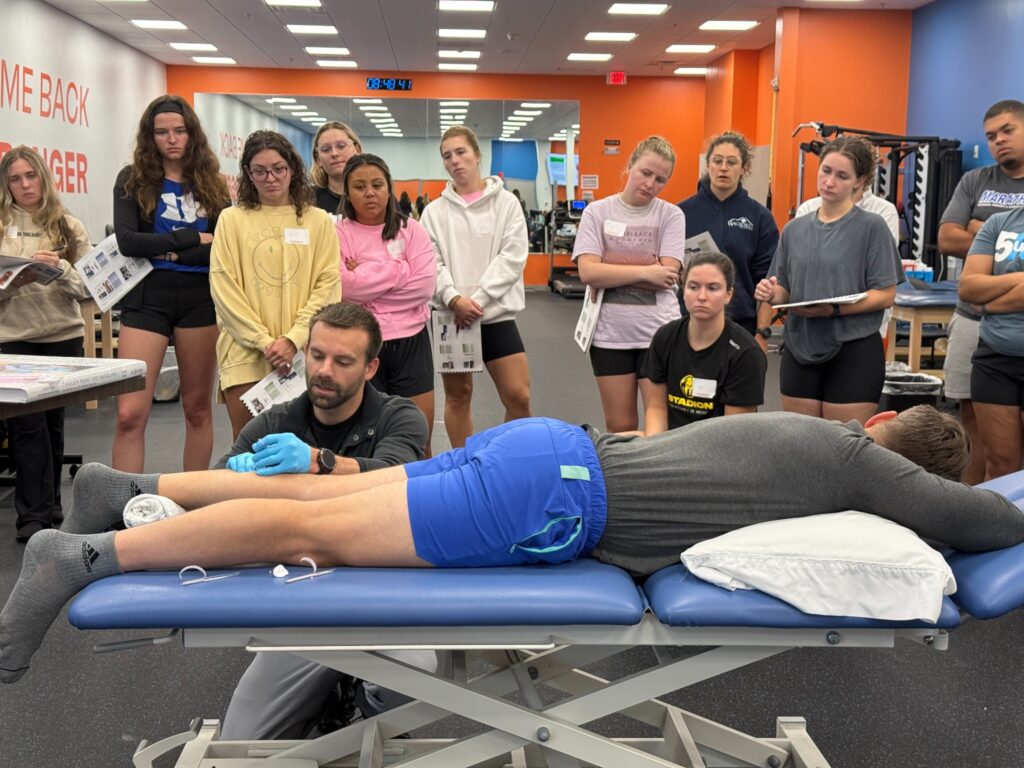
Teaching-focused rotations are different. Education is built into the workflow, and students are expected to engage, ask questions, and gradually take on responsibility with support.
This distinction is especially important in outpatient settings, where pace and productivity can either enhance or limit learning — a theme we often explore in discussions around outpatient physical therapy jobs and early-career development.
What to Look for in a Strong PT Clinical Rotation
When evaluating rotation opportunities, a few questions can help clarify whether a site is truly student-centered:
- Do clinicians explain their decision-making during evaluations and treatments?
- Are students encouraged to ask questions and reflect?
- Is there protected time for teaching or feedback?
- How does the clinic support ongoing education for its own clinicians?
These factors usually indicate whether learning is intentional or incidental.
Teaching Practices Create Better Learning Environments
Teaching practices are built with education in mind. Students are seen as future colleagues, not just observers. Learning happens through discussion, mentorship, and gradual progression.
At Highbar, this approach is consistent across our student education programs, where clinical rotations are designed to support growth rather than overwhelm. That same mindset carries through advanced pathways like continuing education, COMT, and orthopedic residency, creating continuity from student to clinician.
How Clinical Rotations Influence Career Decisions
Many PTs later realize that their rotation experiences shaped how they evaluated jobs after graduation. Supportive rotations often lead students to seek out teaching practices, mentorship, and structured growth in their first roles.
Less supportive rotations can leave students uncertain or hesitant — sometimes contributing to early burnout once they enter full-time practice. That connection between early experience and long-term satisfaction is something we discuss frequently in our writing on burnout in physical therapy.
How We Approach Clinical Rotations at Highbar
At Highbar, clinical rotations are treated as an extension of education, not an interruption to clinic flow. Students are integrated into teams that value teaching, reflection, and collaboration.
Many students first connect with us through resources on www.highbarhealth.com/students, then continue building relationships through rotations, mentorship, and eventually full-time roles via our careers page.
Our goal is to help students leave rotations feeling more confident, more capable, and more excited about the profession — not just relieved that the experience is over.
Choosing Rotations With Intention
Clinical rotations aren’t just requirements to fulfill. They’re opportunities to see how physical therapy is practiced — and how it can be practiced well.
As you explore rotation sites, look for environments where learning is built into the culture, where clinicians enjoy teaching, and where students are encouraged to grow. Those experiences tend to shape not only your confidence, but the kind of clinician you become.