The transition from PT school to your first job is one of the most important shifts in your career. New grad physical therapist jobs are often framed as an entry point — a place to get experience, pay your dues, and figure things out along the way.
In reality, your first year sets patterns that can follow you for a long time. How you learn, how you make decisions, how supported you feel, and how sustainable the work is all take shape early. That’s why choosing the right first role matters more than many new grads realize.
The Gap Between PT School and Practice
PT school prepares you with a strong foundation, but no program can fully replicate the pace and complexity of real-world clinical practice. New grads often step into roles where expectations escalate quickly, sometimes without enough structure to support that transition.
Common challenges I hear from new clinicians include:
- Feeling unsure about clinical decision-making early on
- Struggling to balance efficiency with quality care
- Uncertainty about when and how to ask for help
These challenges aren’t a reflection of preparedness or motivation. They’re a reflection of how the environment supports learning — or doesn’t.
Why Mentorship Matters More Than You Think
One of the biggest differentiators between new grad PT jobs is mentorship. Not just whether it exists, but how it’s built into the week.
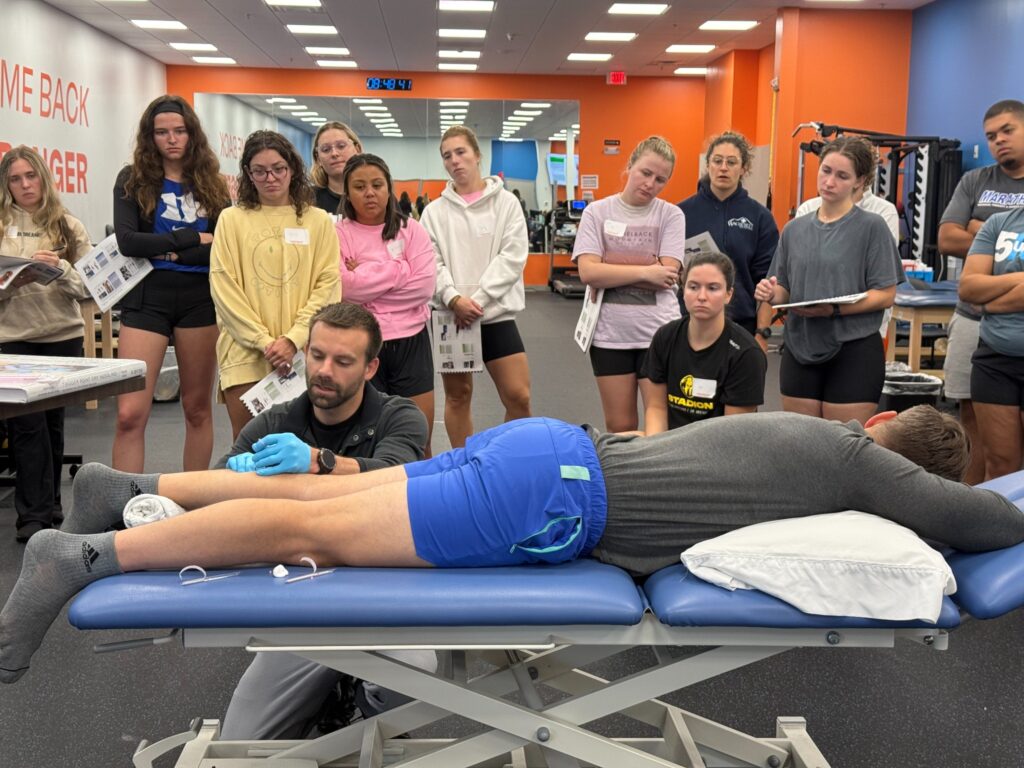
Structured mentorship provides space to:
- Talk through complex cases
- Reflect on clinical reasoning
- Build confidence without rushing decisions
Without it, new grads often rely on trial and error. Over time, that can lead to frustration or early burnout — something we see discussed widely across the profession and highlighted by organizations like the American Physical Therapy Association (APTA) as a risk factor for early-career attrition.
This is why mentorship is central to how we approach development across our career growth and continuing education pathways.
What New Grads Should Look for in a First Job
When evaluating new grad physical therapist jobs, it’s helpful to look beyond surface-level details and ask questions that reveal how learning is supported.
A few questions worth asking:
- How is mentorship structured in the first year?
- What does onboarding look like beyond the first few weeks?
- How are patient schedules adjusted as confidence builds?
- Are continuing education and collaboration encouraged early on?
Clear answers to these questions usually indicate whether a clinic is prepared to support new clinicians thoughtfully.
Teaching Practices vs. Sink-or-Swim Models
Not all clinics are designed to teach. Some expect new grads to adapt quickly to existing systems with minimal guidance.
Teaching practices operate differently. Learning is embedded into daily work. Questions are expected. Growth is intentional. This model allows new grads to develop strong habits early — habits that support both patient outcomes and clinician well-being.
At Highbar, this philosophy extends across everything we do, from student education and clinical rotations to advanced pathways like orthopedic residency and COMT certification.
How the First Year Shapes Long-Term Growth
The first year isn’t just about surviving — it’s about building momentum. New grads who are supported early tend to:
- Develop stronger clinical reasoning
- Feel more confident communicating with patients and colleagues
- Explore specialization, teaching, or leadership earlier
Those opportunities are difficult to pursue when early years are spent simply trying to keep up. This is one reason many clinicians later reflect on their first job as a turning point — either positive or limiting.
We explore this idea more deeply in our writing on burnout in physical therapy, which often traces back to early-career environments that lacked support.
How We Support New Grads at Highbar
At Highbar, new grad physical therapists are welcomed into a teaching practice designed to support growth from day one. Mentorship, reasonable scheduling, and internal education are built into the experience — not added later.
Many clinicians who join us start by exploring resources on www.highbarhealth.com/students, where we outline education pathways and clinical development opportunities. Others come through our careers page, looking for a first role that prioritizes learning and sustainability.
Both paths lead to the same belief: when clinicians are supported early, they’re better equipped to care for patients and build meaningful careers.
Moving Forward With Intention
New grad physical therapist jobs aren’t interchangeable. The environment you choose will shape how you practice, how you grow, and how you feel about the profession over time.
As you explore your options, look for clinics that invest in learning, value mentorship, and create space for thoughtful practice. Those qualities don’t just make the first year better — they lay the foundation for everything that comes after.