Pelvic Floor Physical Therapy
One in three adults will deal with a pelvic floor issue in their lifetime — and most suffer in silence far longer than they need to. Pelvic floor PT is effective, evidence-based, and nothing to be embarrassed about.
Schedule Your Evaluation
25+ Clinics Across New England • No Referral Needed • Most Insurance Accepted
Understanding the Pelvic Floor
Your pelvic floor is a group of muscles that supports your bladder, bowel, and reproductive organs. When those muscles are too tight, too weak, or uncoordinated, the effects show up in ways that can disrupt your entire life — from leaking when you sneeze to pain during sex to feeling like you constantly need to use the bathroom.
These issues are incredibly common across all genders and ages, yet most people don’t realize that physical therapy is one of the most effective treatments available.
A specialized pelvic floor PT can help you regain control, reduce pain, and get back to living without planning your day around a bathroom.
Video Gallery


What Your Body Is Telling You
Leaking isn’t just “part of getting older.” If you’re crossing your legs when you cough or skipping the trampoline with your kids, that’s urinary incontinence — and it’s treatable. It doesn’t matter if it started after childbirth, after prostate surgery, or seemingly out of nowhere. You deserve better than just managing it.
Pelvic pain is real, and it’s not in your head. Chronic pain in your pelvis, low back, or hips that doesn’t respond to typical treatments may be coming from your pelvic floor. Muscles in spasm can refer pain in surprising ways, and a pelvic floor PT knows how to find the source.
Postpartum recovery isn’t just “bouncing back.” Your body went through something extraordinary. Feeling heaviness, pressure, or a sense that things aren’t where they used to be could signal pelvic organ prolapse or muscle weakness that responds well to targeted rehab.
Men deal with this too. Pelvic floor dysfunction after prostate surgery, chronic pelvic pain syndrome, and urinary issues are far more common in men than most people think. This isn’t a women-only conversation, and treatment works across the board.
How Physical Therapy Helps
Pelvic floor PT at Highbar Health is private, personalized, and built around your comfort level — your first visit is a conversation, not a commitment.
- Internal and external assessment to understand exactly what your pelvic floor muscles are doing — whether they're too tight, too weak, or both
- Manual therapy and trigger point release to address muscle tension, scar tissue, and pain patterns driving your symptoms
- Progressive strengthening and coordination training that goes far beyond Kegels — built around how your pelvic floor works with the rest of your body
- Behavioral strategies and habit retraining including bladder training, bowel management, and movement modifications that make a real difference
Common Pelvic Floor Conditions We Treat
Pelvic Pain
- Chronic pelvic pain, vulvodynia, or pain during intercourse — addressed with manual therapy, trigger point release, and muscle retraining to reduce tension and restore function.
Postpartum Recovery
- Diastasis recti, pelvic organ prolapse, and postpartum weakness — managed with targeted core and pelvic floor rehabilitation tailored to your recovery timeline.
Post-Surgical Rehabilitation
- Recovery after prostate surgery, hysterectomy, or pelvic procedures — guided with evidence-based protocols to restore strength, continence, and confidence.
When to See a Physical Therapist
If you’re experiencing any of these symptoms, it’s time to talk to a specialist. Your first visit is a conversation — not a commitment. The sooner you start, the faster things improve.
- Leaking urine or stool
- Pelvic pain that won't quit
- Recovering from childbirth or pelvic surgery
- Something just doesn't feel right down there
You've Dealt With This Long Enough
Schedule your pelvic floor evaluation at Highbar Health — no referral needed, most insurance accepted, and 25+ clinics across New England ready to help you today.
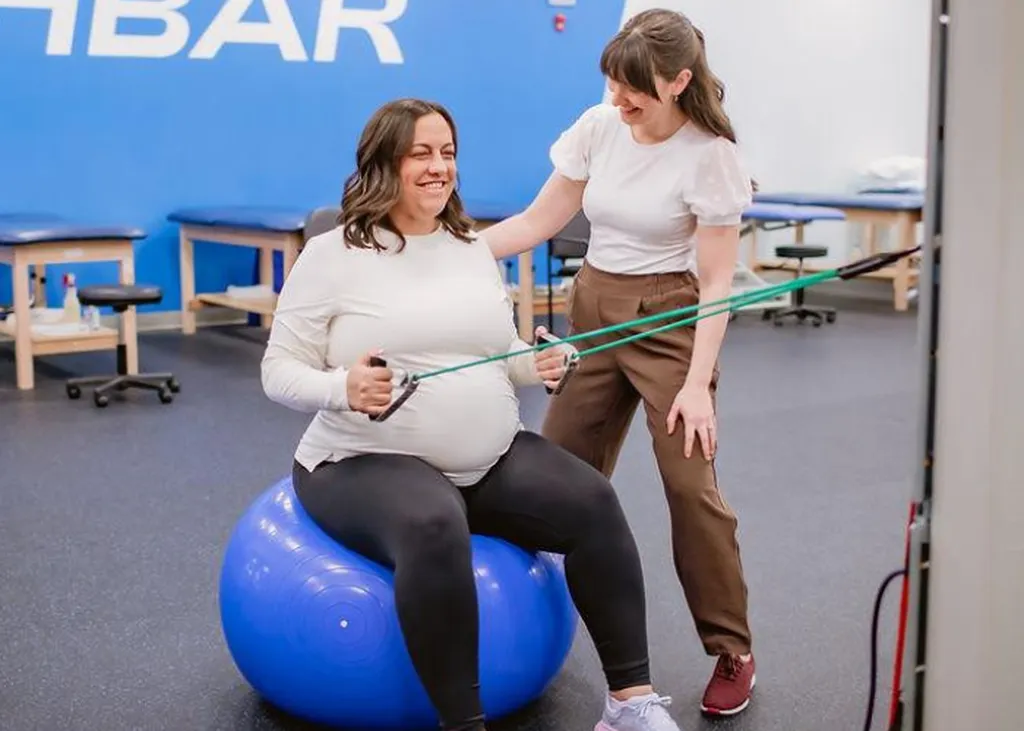
Common reasons the pelvis hurts
Pelvic pain is usually caused by a mix of load, strength, mobility, and how your body moves. Common examples include:
- Muscles in the pelvic floor that are too tight or too weak
- Leaking, urgency, or trouble fully emptying your bladder or bowels
- Pain during or after pregnancy (pubic bone, tailbone, or hip area)
- Pain after pelvic, abdominal, or prostate surgery
- Pain with intimacy, sitting, or daily activities
- Pelvic floor strain from heavy lifting, sport, or chronic constipation
Want a plan that fits your body and your goals? Find a PT →
Quick answers about pelvic pain
FAQS
When should I see a PT for pelvic pain?
If symptoms are limiting your daily life — work, sleep, exercise, intimacy, or using the bathroom comfortably — it’s time. Pelvic PT is for every body and every gender.
Should I rest or exercise with pelvic pain?
The right movement helps more than rest, but the wrong movement can flare things up. A pelvic PT will give you a plan that fits where you are right now and progresses from there.
Do I need imaging before I start PT?
Usually no. Most pelvic issues are figured out through a thorough conversation and exam. If imaging is needed, your PT will help you get there.
Is pelvic PT only for women?
No. People of all genders benefit from pelvic PT — postpartum, post-prostate surgery, athletes, people with chronic pelvic pain, and more. Your symptoms matter, not your gender.
I had a baby months (or years) ago. Is it too late for PT?
Not at all. It’s never too late. Whether you’re 6 weeks or 6 years postpartum, PT can help with leaking, core weakness, pain, or just feeling like yourself again.
Are Kegels the answer?
Sometimes — and sometimes they make things worse. Kegels help if your pelvic floor is weak, but if it’s already too tight, you need the opposite. A PT will assess which one applies to you.
Is leaking when I cough or run something I just have to live with?
No. Leaking is common, but it’s not something you have to accept. Pelvic PT has strong success rates for both stress and urgency leaking, often without medication or surgery.