Your Knees Deserve Better Than "Just Rest It"
Knee pain changes how you move through your day — and waiting it out rarely makes it better. At Highbar Health, we find the real source of your knee pain and build a plan to get you back to the life you want.
Book Your First Appointment
25+ Clinics Across New England • No Referral Needed • Most Insurance Accepted
Understanding Knee Pain
Knee pain is one of the most common reasons adults seek physical therapy, and for good reason — your knees absorb force with every step, squat, and stair you take.
Whether you’re dealing with a meniscus tear, runner’s knee, IT band syndrome, patellar tendonitis, or bursitis, the underlying problem is almost always a combination of muscle imbalances, joint mechanics, and movement patterns that have been building over time.
Physical therapy doesn’t just treat the pain. It corrects the biomechanical issues driving it, so you get lasting relief instead of a temporary fix.
Video Gallery


What Your Body Is Telling You
That sharp catch when you twist or pivot often points to a meniscus issue — the cartilage cushions inside your knee joint that can tear from a single wrong step or wear down gradually over years of use. It doesn’t always mean surgery. Many meniscus tears respond extremely well to targeted rehab.
A dull ache around or behind your kneecap that gets worse going downstairs, sitting for long periods, or after a run is the hallmark of patellofemoral pain syndrome. It’s your body telling you that your kneecap isn’t tracking properly — usually because of weakness in your hips and quads, not a problem with the knee itself.
Tightness or burning along the outside of your knee, especially during longer runs or hikes, is classic IT band syndrome. The IT band is a thick strip of tissue running from your hip to your shin, and when the muscles around it aren’t doing their job, friction builds up fast.
Swelling, stiffness, or a feeling that your knee might give out are signals you shouldn’t push through. These symptoms mean something structural needs attention, and the sooner you address it, the more options you have.
How Physical Therapy Helps
Physical therapy for knee pain isn’t one-size-fits-all. Your plan is built around what’s actually happening in your knee — and what your goals look like.
- Targeted strengthening of quads, glutes, and hip rotators to stabilize your knee and correct tracking issues
- Manual therapy and joint mobilization to restore range of motion and reduce stiffness
- Movement retraining so you squat, land, and change direction in ways that protect your knee
- Progressive return-to-activity programming to get you back to running, sport, or daily life without re-injury
Common Knee Conditions We Treat
Meniscus Tears
- Cartilage tears from sudden pivots or gradual wear — many respond exceptionally well to targeted physical therapy without surgery.
Runner's Knee
- Patellofemoral pain from improper kneecap tracking — corrected by strengthening hips, quads, and retraining movement patterns.
IT Band Syndrome
- Friction and burning along the outer knee during activity — resolved by addressing the hip and glute weaknesses driving it.
Patellar Tendonitis
- Overuse inflammation below the kneecap common in jumping and running — managed with progressive loading and biomechanical correction.
When to See a Physical Therapist
If your knee pain has lasted more than a week, keeps coming back after activity, or is changing how you walk — it’s time.
You don’t need a referral to get started at Highbar Health, and most insurance plans are accepted. The longer you compensate around a bad knee, the more likely you are to develop problems in your hip, ankle, or back.
- Pain lasting more than a week
- Recurring pain after activity
- Changes in how you walk or move
- Swelling or instability that won't resolve
Expert Knee Care, Close to Home
With 25+ clinics across New England, expert care is close to home. Book your first appointment at Highbar Health and find out exactly what's going on with your knee — no referral needed.
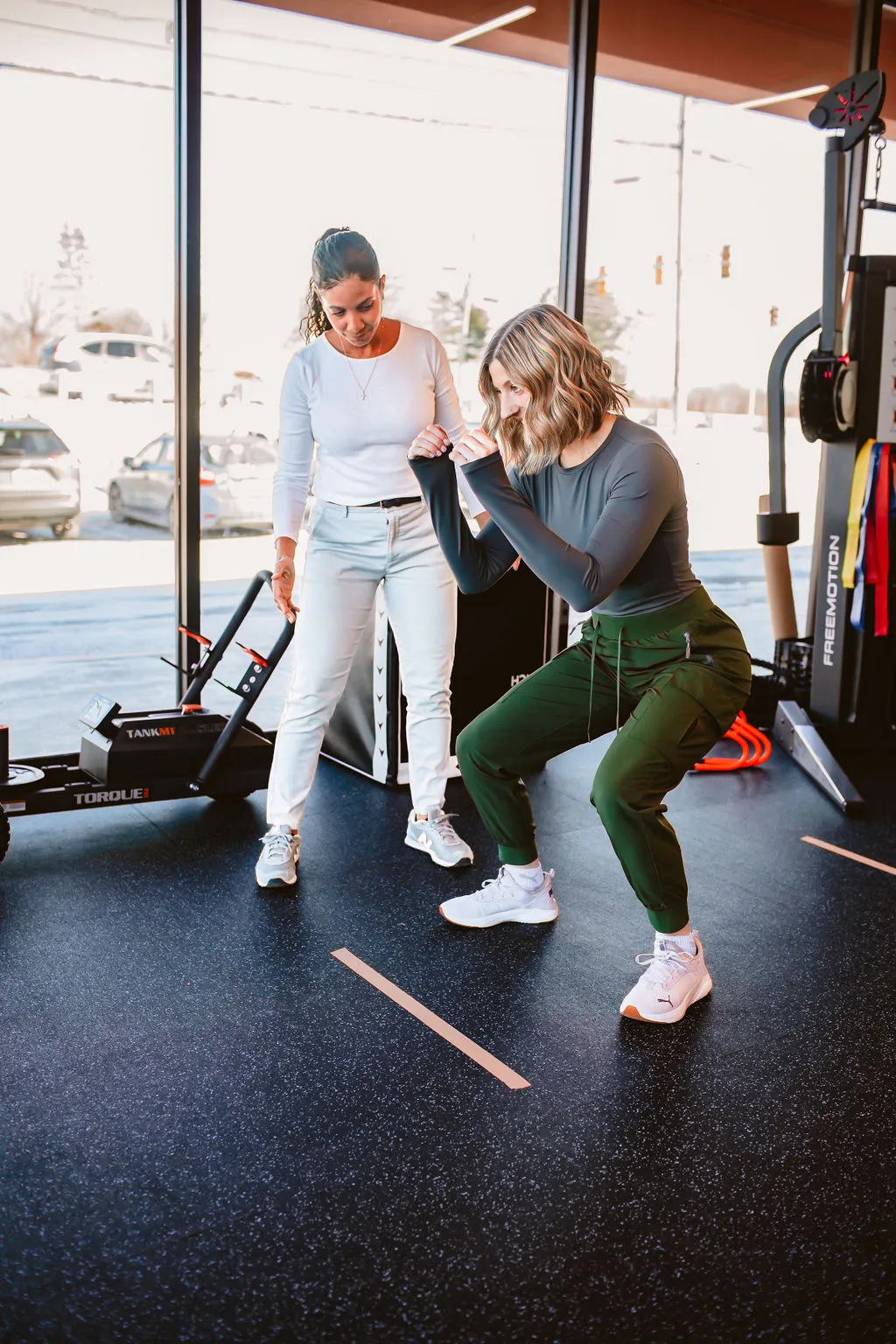
Common reasons knees hurt
Knee pain is usually caused by a mix of load, strength, mobility, and how your body moves. Common examples include:
- Doing more than your knee can handle right now (activity jump, stairs, running, lifting)
- Kneecap irritation (often hurts with stairs/squats)
- Tendon irritation (often hurts with jumping/running)
- Meniscus or ligament irritation (often after twisting/injury)
- Arthritis or joint changes
- Post-injury or post-surgery recovery
Want a plan that fits your knee and your goals? Find a PT →
Quick answers about knee pain
FAQS
When should I see a PT for knee pain?
If pain lasts more than 2–3 weeks, keeps coming back, or changes how you walk, it’s worth getting checked. If your knee feels unstable, keeps swelling, or you’re avoiding activities you normally do, a PT can help you get a plan.
Should I rest or exercise with knee pain?
Usually, some movement is better than total rest. The goal is the right amount—enough to build strength and confidence, not so much that symptoms spike for the next day.
Do I need an MRI before I start PT?
Not always. Many knee problems improve with the right plan without imaging. If you have a big injury, true locking, or ongoing instability, imaging can be helpful—but you can often start PT first.
Why does my knee hurt more going downstairs?
Downstairs increases the demand on the front of the knee and the muscles that control it. This often improves with better strength and control—especially quads and hips.
How long does knee pain usually take to improve?
It depends on the cause and how long it’s been going on, but many people notice progress in a few weeks with a consistent plan. Tendon issues and long-standing pain usually take longer—and that’s normal.
Is swelling a big deal?
Swelling is a sign your knee is irritated. It doesn’t automatically mean serious damage, but it does mean your knee needs load adjustments and a plan. If swelling is severe after injury or keeps recurring, get evaluated.
What if my knee clicks or pops?
Noise alone usually isn’t a problem. Pain, swelling, locking, or instability matters more. If it feels stuck, gives way, or you can’t trust it, get checked.